Articles
-
Dupes Threaten Lululemon, Adidas, and Dr. Martens Designs

How Far Is Too Far? When Dupes Challenge Lululemon, Adidas, Dr. Martens That question sits at the centre of new lawsuits by Lululemon, Adidas and Dr. Martens, who claim Costco, Fashion Nova and Shein are selling lookalike clothes and shoes that test how far trade mark rights and settlement deals can reach. As more shoppers
-
Lululemon vs Costco: Lawsuit Alleges Copycat Apparel and Trade Mark Infringement

Lululemon vs Costco Dispute Filed in California On 27 June 2025, Lululemon Athletica Canada Inc. and Lululemon USA Inc. filed a lawsuit against Costco Wholesale Corporation in the United States District Court for the Central District of California. The claim alleges that Costco has imported, marketed and sold garments that imitate the protected design features,
-
EUIPO Rejects Champagne GI Challenge

EUIPO Clarifies Limits of Champagne Geographical Indication Protection, Rejects Attempt to Block “CHAMPAIGN” Grill Mark The European Union Intellectual Property Office (EUIPO) has clarified how far the protection of well-known geographical indications can reach. By rejecting the Comité Interprofessionnel du Vin de Champagne (the Interprofessional Committee of Champagne Wine, which oversees and protects the Champagne
-
The History of Fashion Law: A Perspective from Ancient Greece to Modern Dress Codes

Fashion law is often described as a modern and highly specialised area of practice, usually focused on trademarks, design protection and brand enforcement. Yet rules about what people wear and how clothing is controlled have existed for centuries. This article does not present a purely technical history. Instead, it highlights how laws, social codes and
-
Authorship in the Age of AI in Fashion: Copyright and Beyond
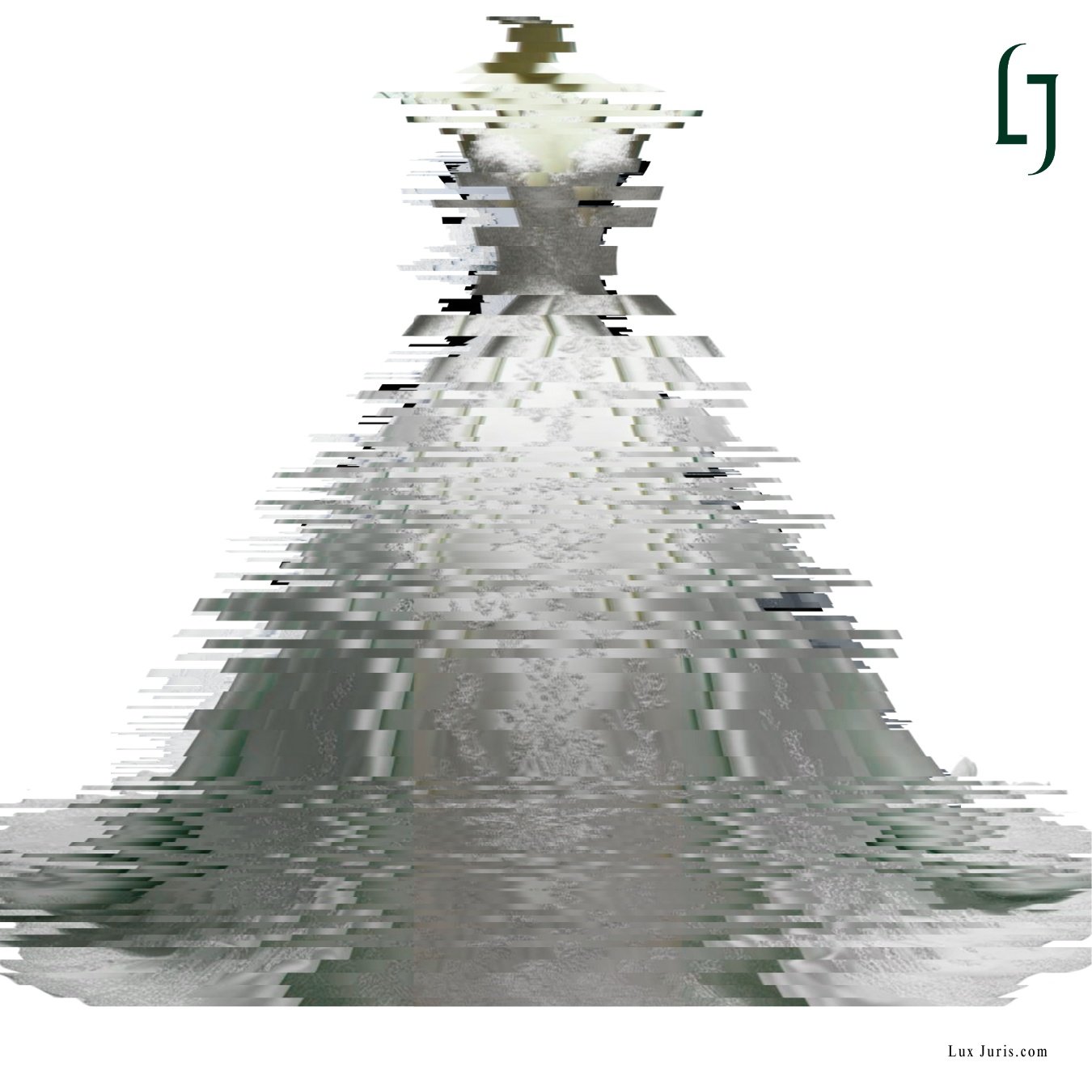
AI in fashion is rapidly evolving, transforming the industry at every level of the creative process. From virtual models to algorithmically generated prints, artificial intelligence is reshaping how designers work and how collections are conceived. When luxury house Marchesa collaborated with IBM Watson to create an AI-assisted dress for the Met Gala, the result was
-
Why Cultural Identity Is Taken Without Consent in Fashion
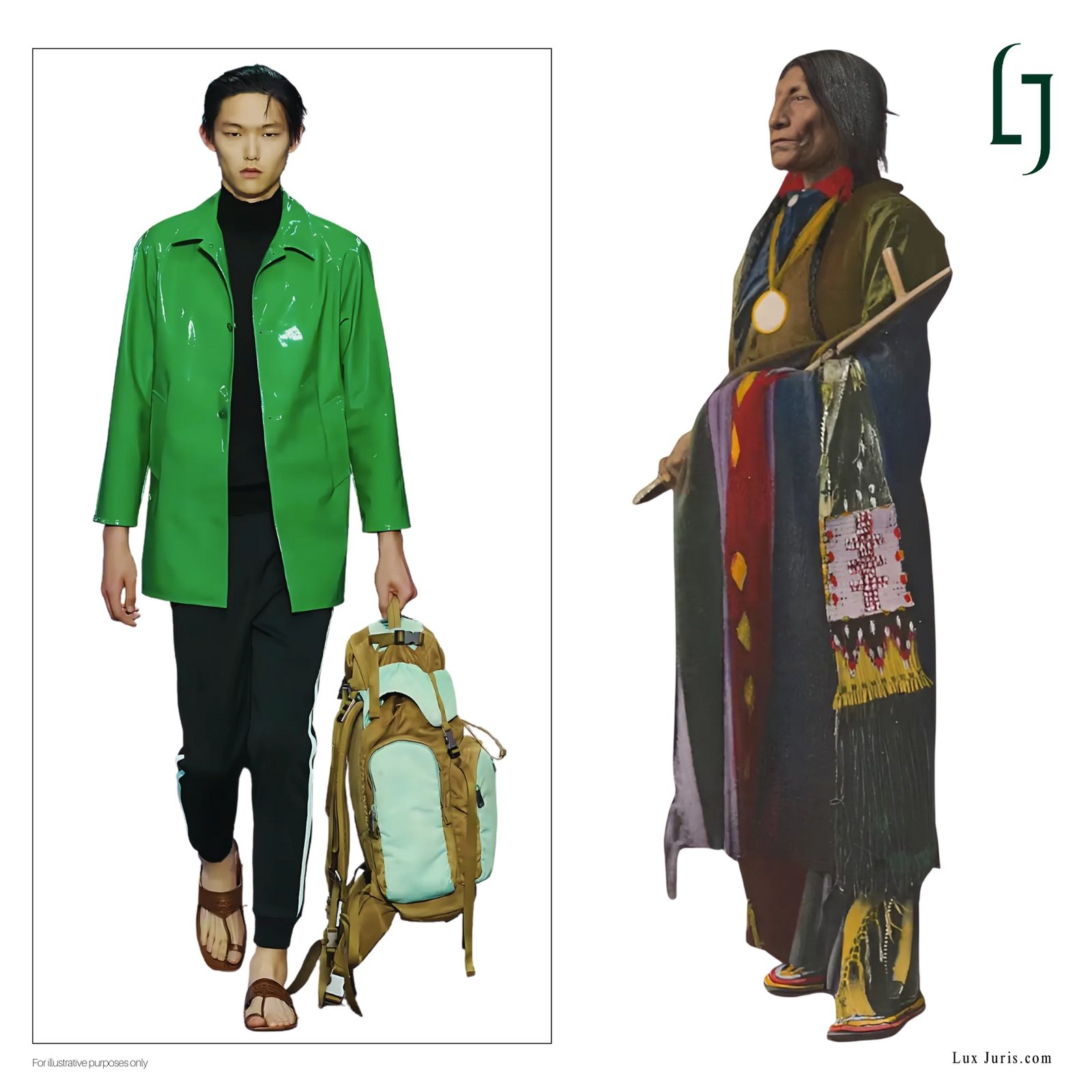
Why Fashion Law Struggles to Address Cultural Appropriation When a global fashion house unveils a design on the runway, few inside the industry stop to ask where it came from, who first shaped it, or whether permission ever figured in its making. Some forms are celebrated as fresh creative work, while others are quietly lifted,
-
Dupe Culture in Nigeria and the Challenge for Fashion Law and IP Protection
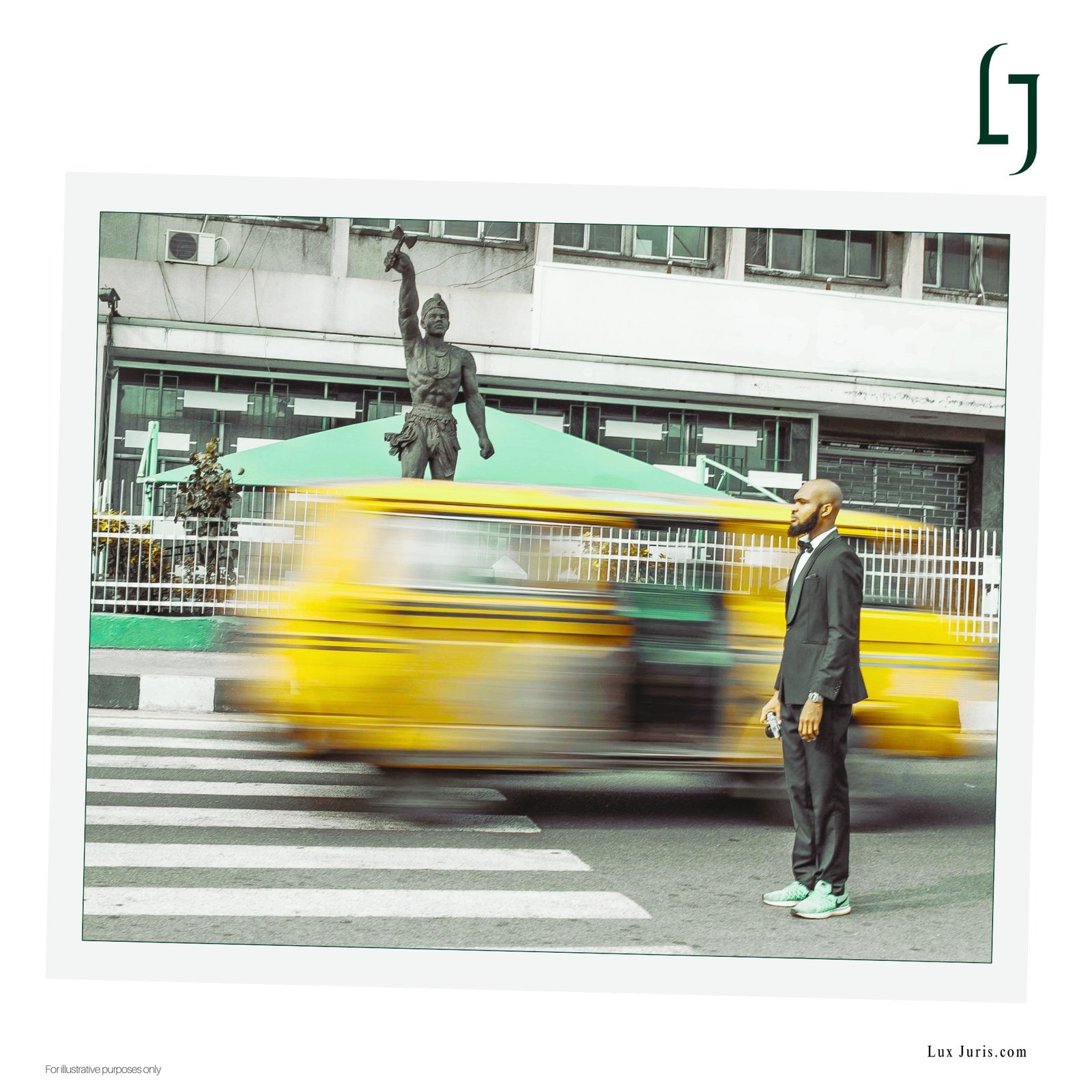
Nigeria’s fashion industry is undergoing rapid transformation. Social media, e-commerce platforms, and a growing appetite for affordable luxury aesthetics are reshaping how fashion is consumed. At the heart of this shift is dupe culture in Nigeria, where consumers actively seek products that imitate the look and feel of luxury items without necessarily infringing on registered
-
SUPREME Trademark Dispute: ‘Supredog’ Mark Cancelled by EUIPO
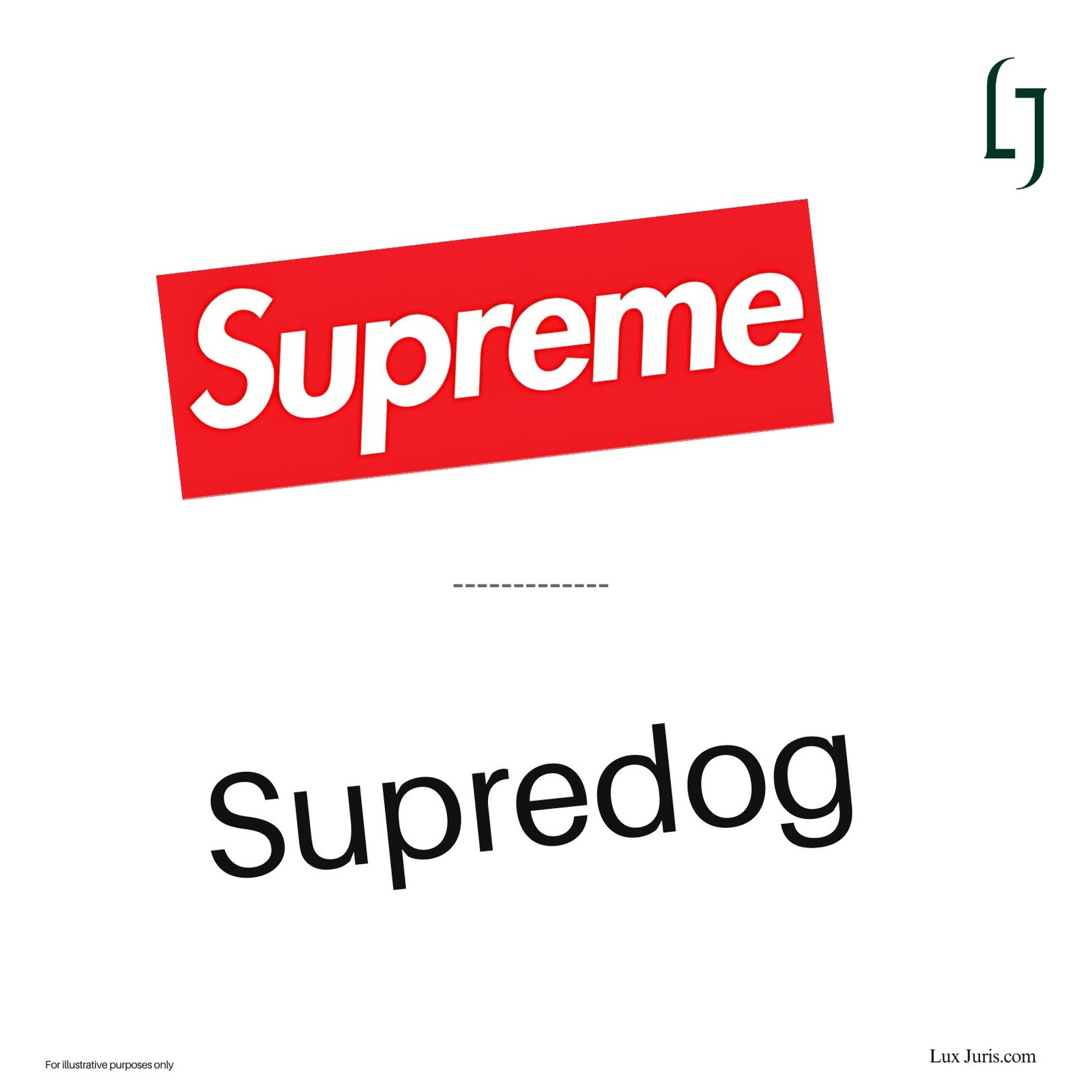
On 11 June 2025, the European Union Intellectual Property Office cancelled the word mark ‘Supredog’ following an invalidity application by Chapter 4 Corp., the company behind SUPREME. The Cancellation Division found that the contested mark was too closely aligned with the earlier SUPREME figurative mark and that its continued use would unfairly benefit from the
-
Luxury Counterfeits in China: Legal Action and Consumer Demand
Luxury counterfeits in China continue to present serious challenges for global brands, even as trademark enforcement becomes more structured. Although legal protections have strengthened, consumer demand for imitation goods remains high, shaped by cultural familiarity, affordability, and the pursuit of social status. Addressing this issue requires more than litigation. It calls for a closer examination
-
Tiffany vs Costco: The $21 Million Dispute That Ended Quietly

Tiffany vs Costco is a case that ended quietly but left behind significant questions about trademark law and brand protection. Spanning eight years, the dispute concluded with a confidential settlement and a dismissal with prejudice, preventing Tiffany from bringing similar claims against Costco in the future. Although the terms remain undisclosed, the case draws attention