-
POLO vs Wellington Polo Club: What Every Brand Owner Should Know
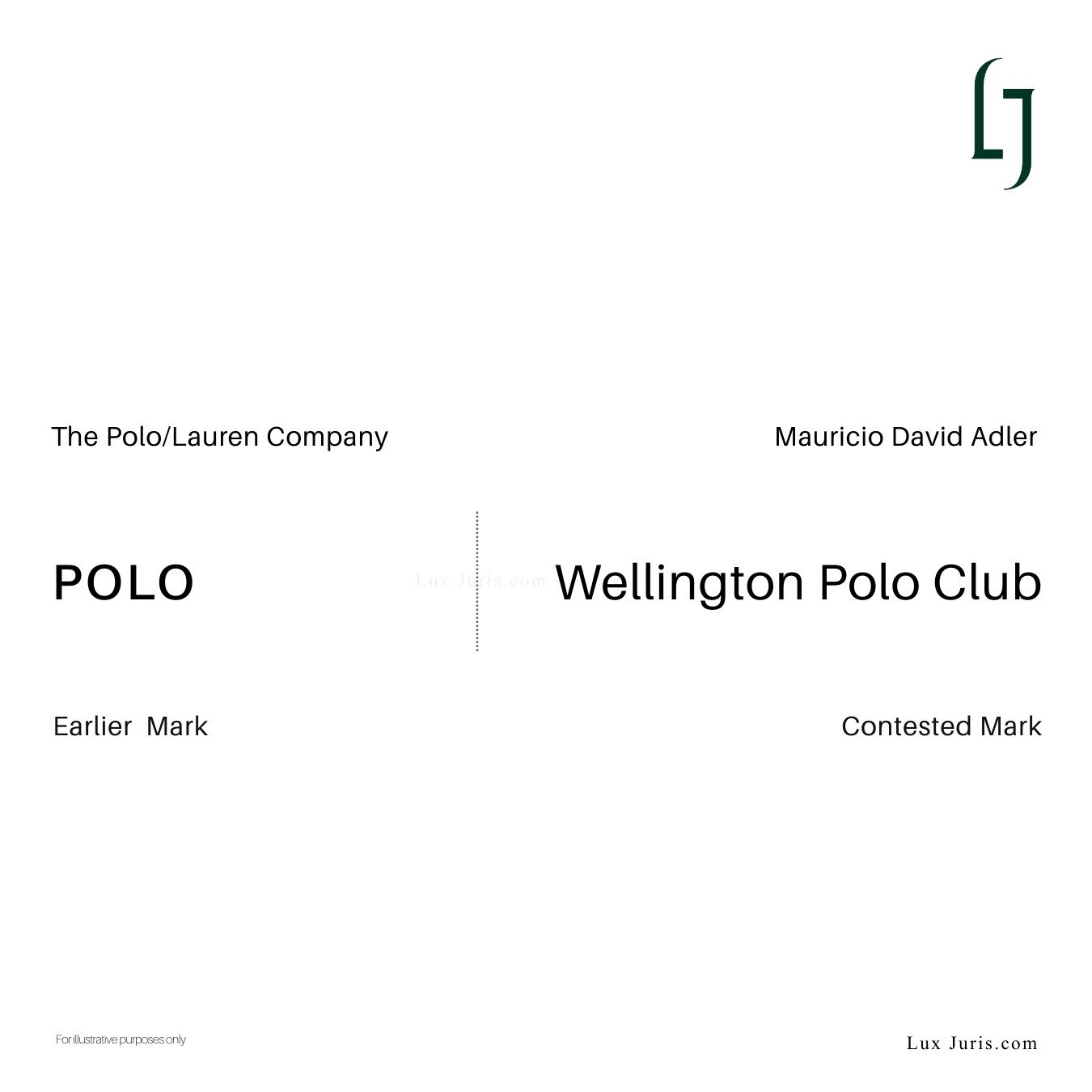
POLO, Ralph Lauren’s long established single-word trademark used prominently across the European Union, defined the outcome of the proceedings against the application “Wellington Polo Club”. The case demonstrated how such a mark can neutralise a later registration that incorporates it in full. The Opposition Division upheld the opposition in its entirety, rejecting the application for
-
Timberland’s Yellow Boot Secures Trademark Protection in Brazil

Timberland’s Yellow Boot has been recognised as a protectable trademark in Brazil following a ruling by the 13th Federal Court of Rio de Janeiro. The decision overturned the earlier refusal by the Brazilian Patent and Trademark Office (BPTO) and confirmed that the boot’s design features meet the legal requirements for trademark protection. The case illustrates
-
Hermès Birkin Shape and Marks Declared Well-Known Trade Marks in India
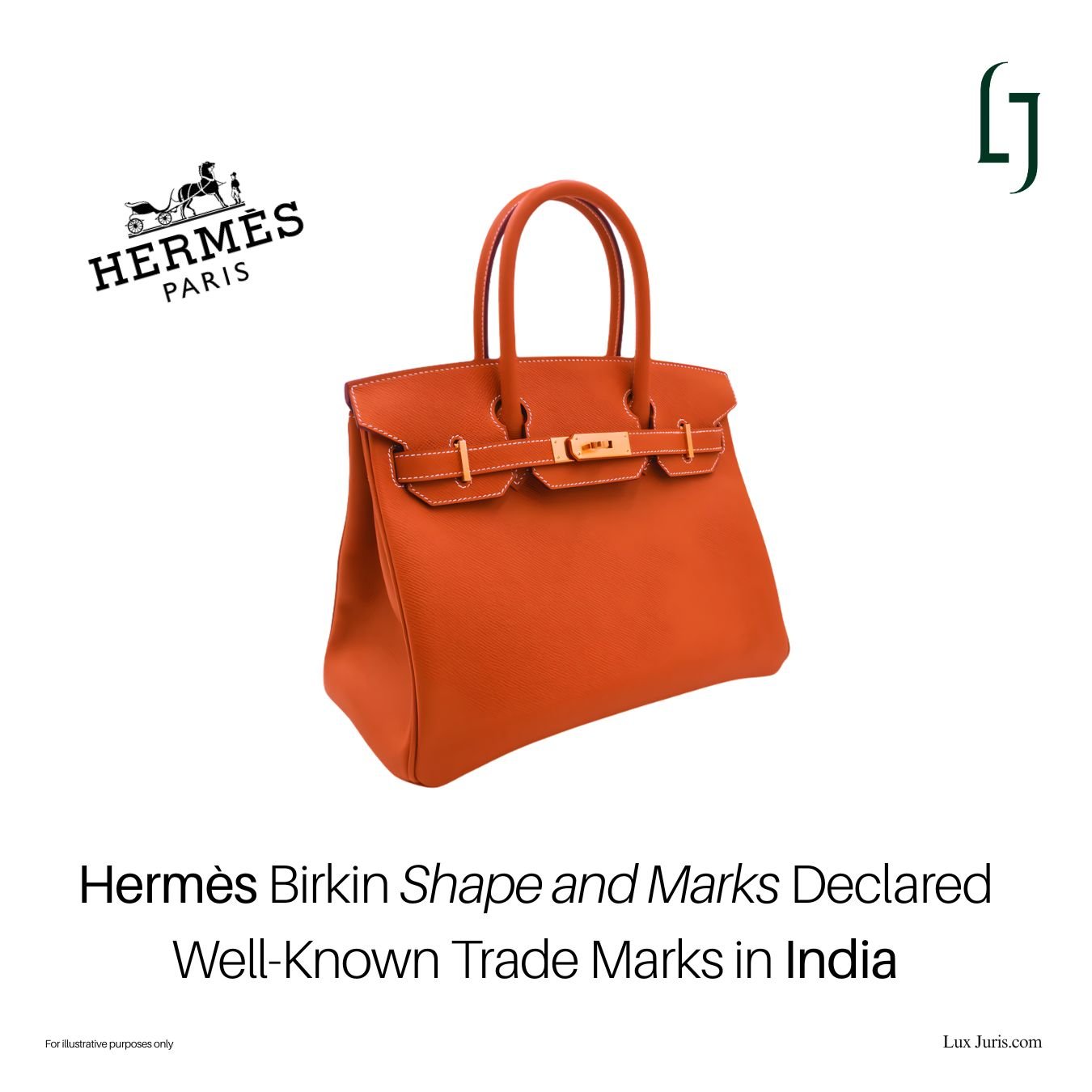
On 24 November 2025, the Delhi High Court recognised the Birkin bag’s three dimensional shape, the Hermès word mark and the stylised marks as well-known trade marks in India. With this, the Birkin silhouette now sits among the most strongly protected trade marks in the country. The Parties Hermès International and its Indian subsidiary initiated
-
Total90 LLC Sues Nike for Use of TOTAL 90 Mark
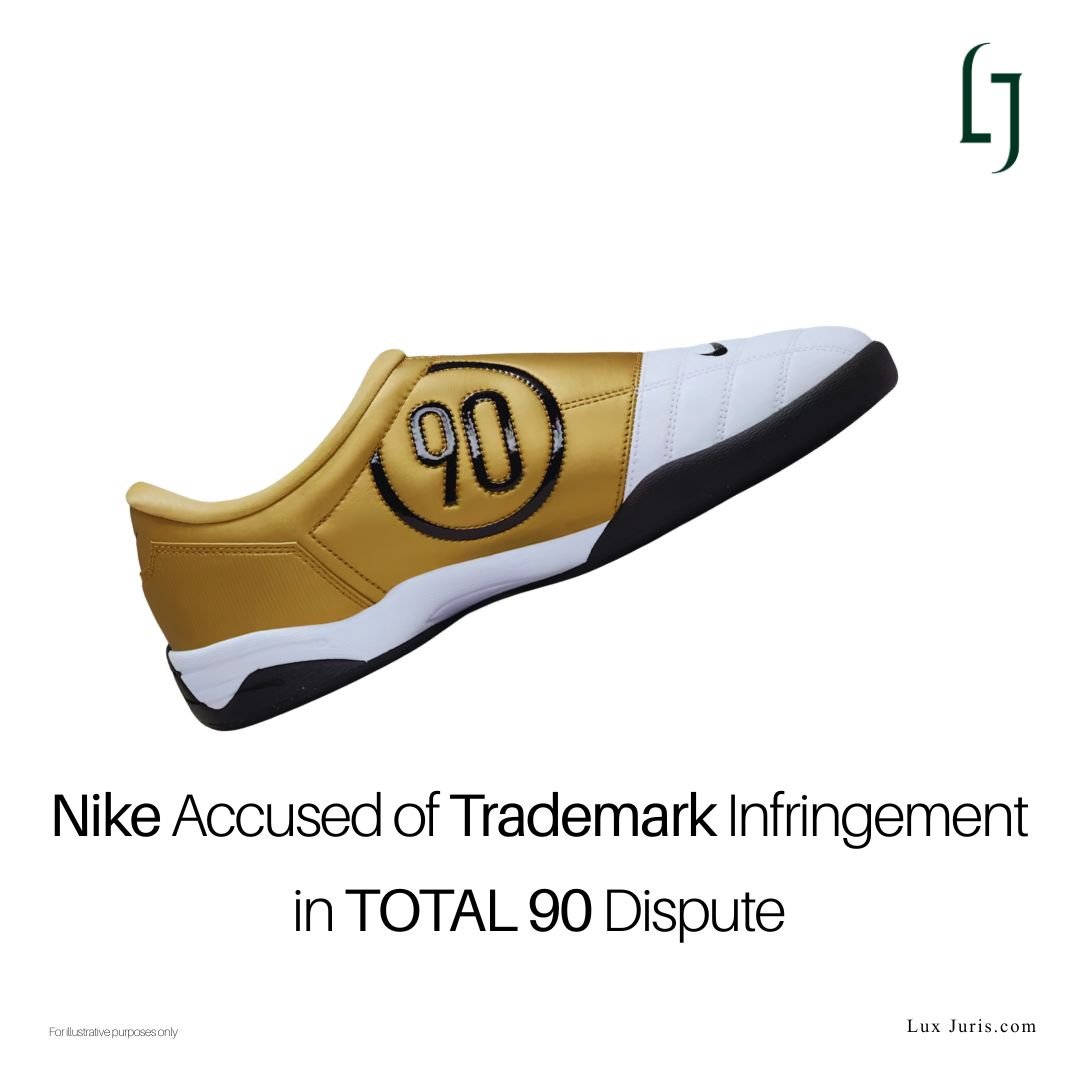
Nike previously used the name TOTAL 90 for a football boot line, but its trademark registration was cancelled in April 2019. After cancellation, the name was no longer in commercial use. Under U.S. trademark law, once a mark is no longer used, it loses protection. During that period, Total90 LLC adopted the name TOTAL90 in
-
Hermès vs HERMÉS CLUB: EUIPO Rejects HERMÉS CLUB Application
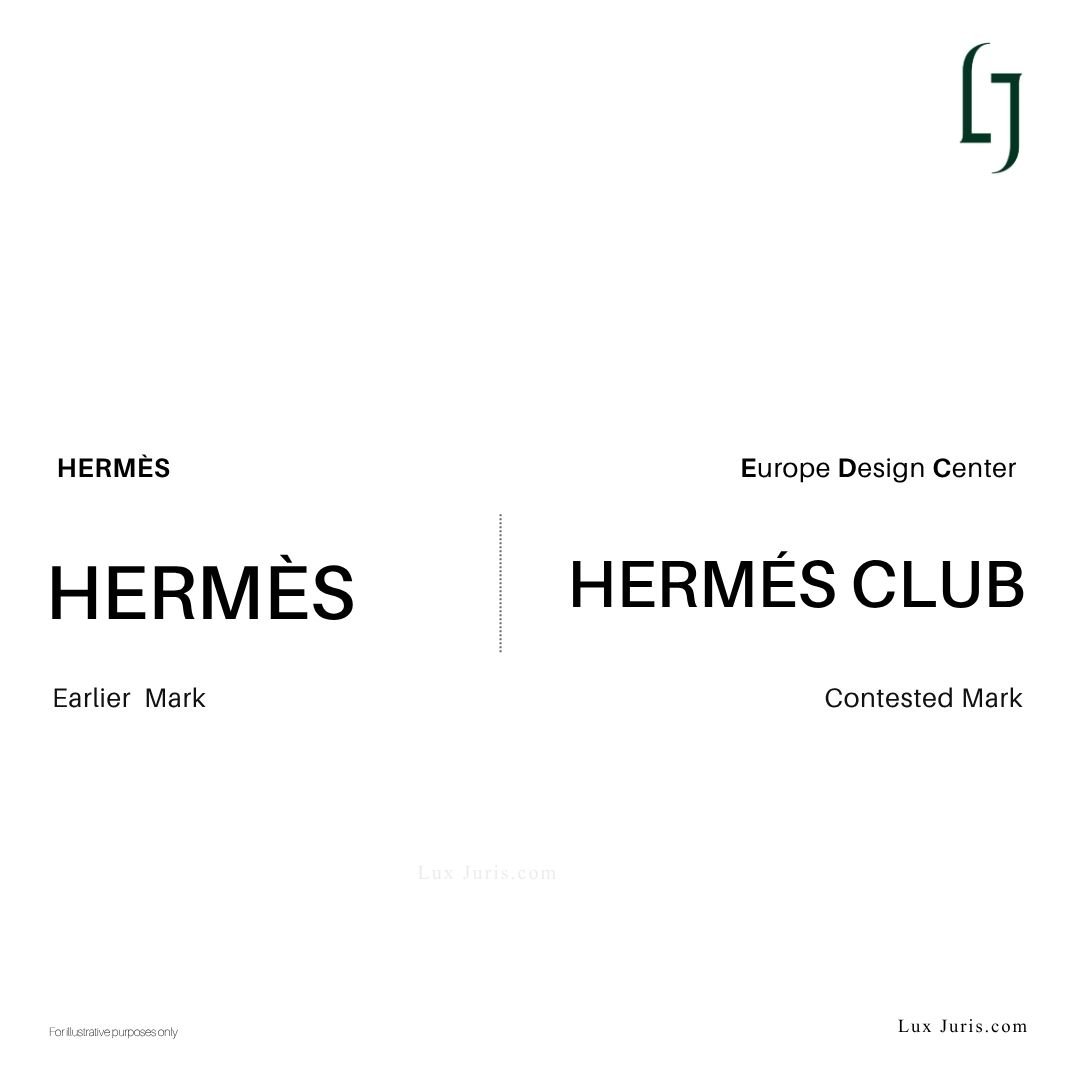
The refusal of the trade mark HERMÉS CLUB offers a useful moment to examine a recurring pattern emerging at the intersection of branding and trade mark law. The filing was submitted by Europe Design Center SAS, a company that has recently pursued the registration of marks structurally anchored to established luxury houses yet lacking independent
-
Birkenstock’s Arizona, Madrid, and Florida Sandals Protected Under Dutch Law
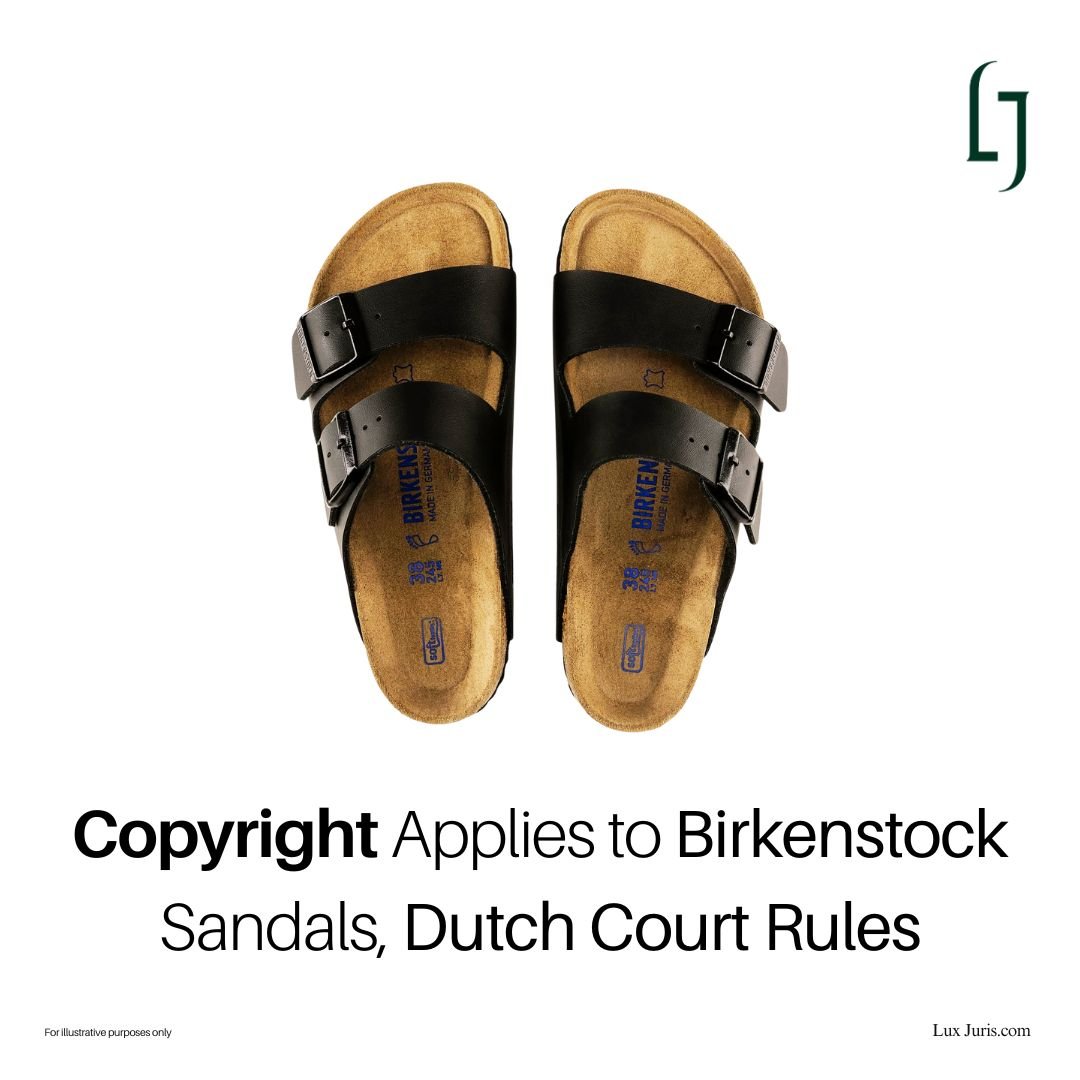
The District Court of Midden-Nederland has issued a first instance ruling in favour of BIRKENSTOCK, granting copyright protection for the brand’s iconic Arizona, Madrid, and Florida sandals. While the decision may still be appealed, it represents a notable divergence from the stance of the German Federal Court of Justice (BGH) and highlights the nuanced, jurisdiction
-
Crocs at the EUIPO: How Near Is Too Near in the Language of Design Law?
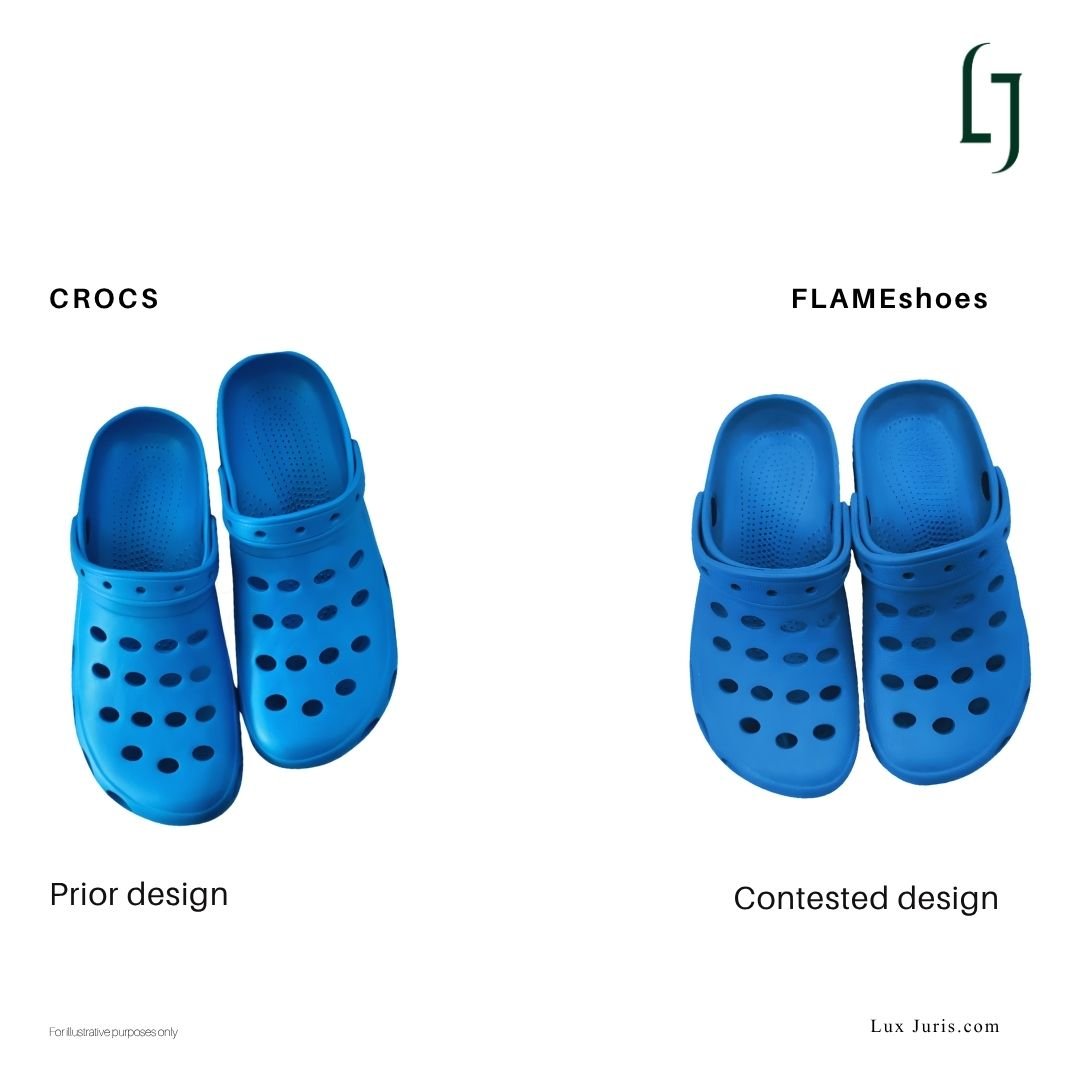
The European Union Intellectual Property Office has once again clarified how far a designer may go when drawing inspiration from a familiar form. On 7 November 2025, the Invalidity Division ruled in favour of Crocs in proceedings against FLAMEshoes Slovakia, finding that the latter’s foam clog produced the same overall impression as the Crocs design.
-
Fendi vs Fendi Club: Reputation Requires Quantifiable Proof
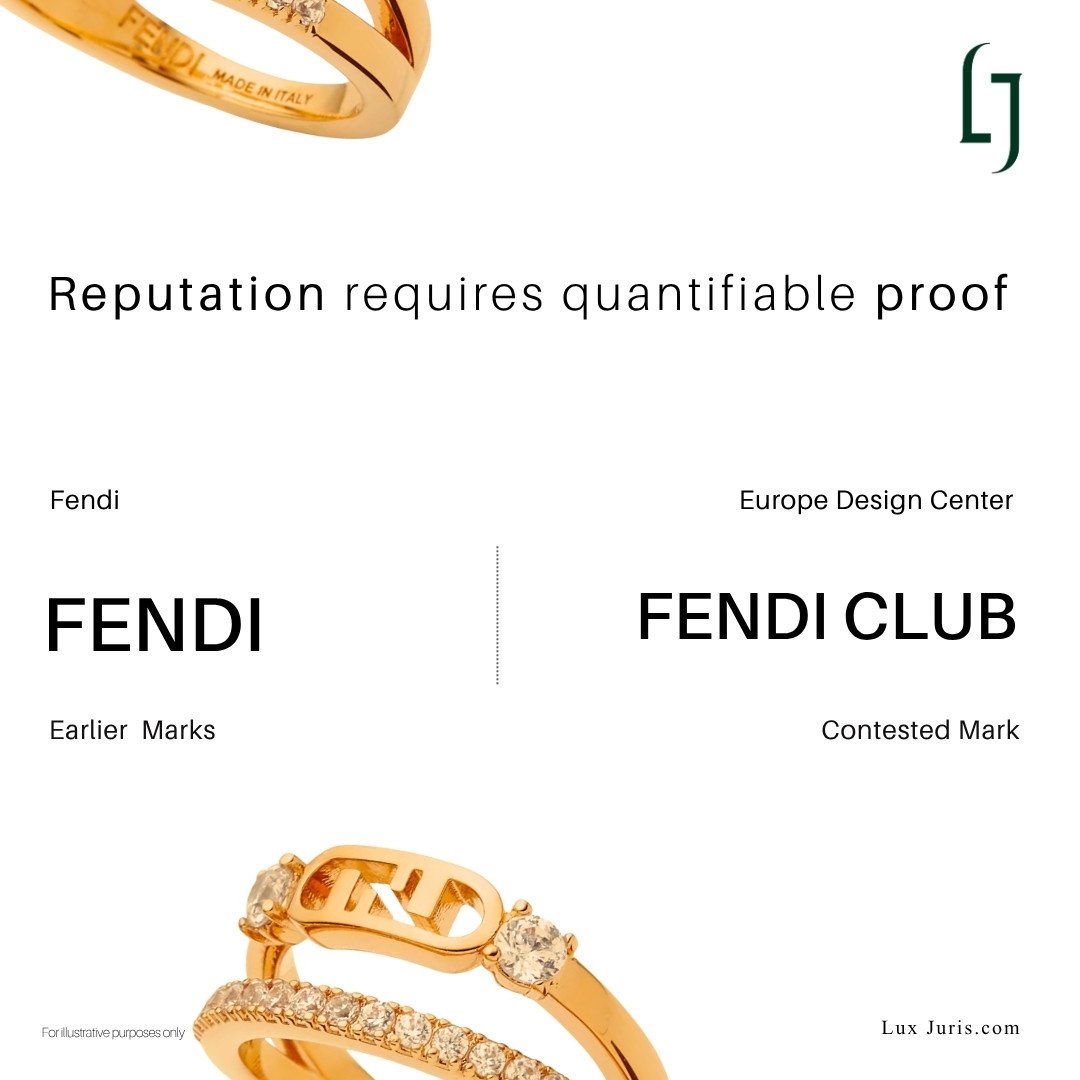
Fendi faced a challenge to its name when Europe Design Center sought registration for “Fendi Club”, a mark that stepped directly into the linguistic space of the Italian house. Its structure, Fendi followed by Club, implied affiliation, as though denoting a exclusive circle or collection within the brand’s own world. Unsurprisingly, Fendi opposed the filing,
-
Miu Miu vs Mumu: Subtle Change, Substantial Confusion
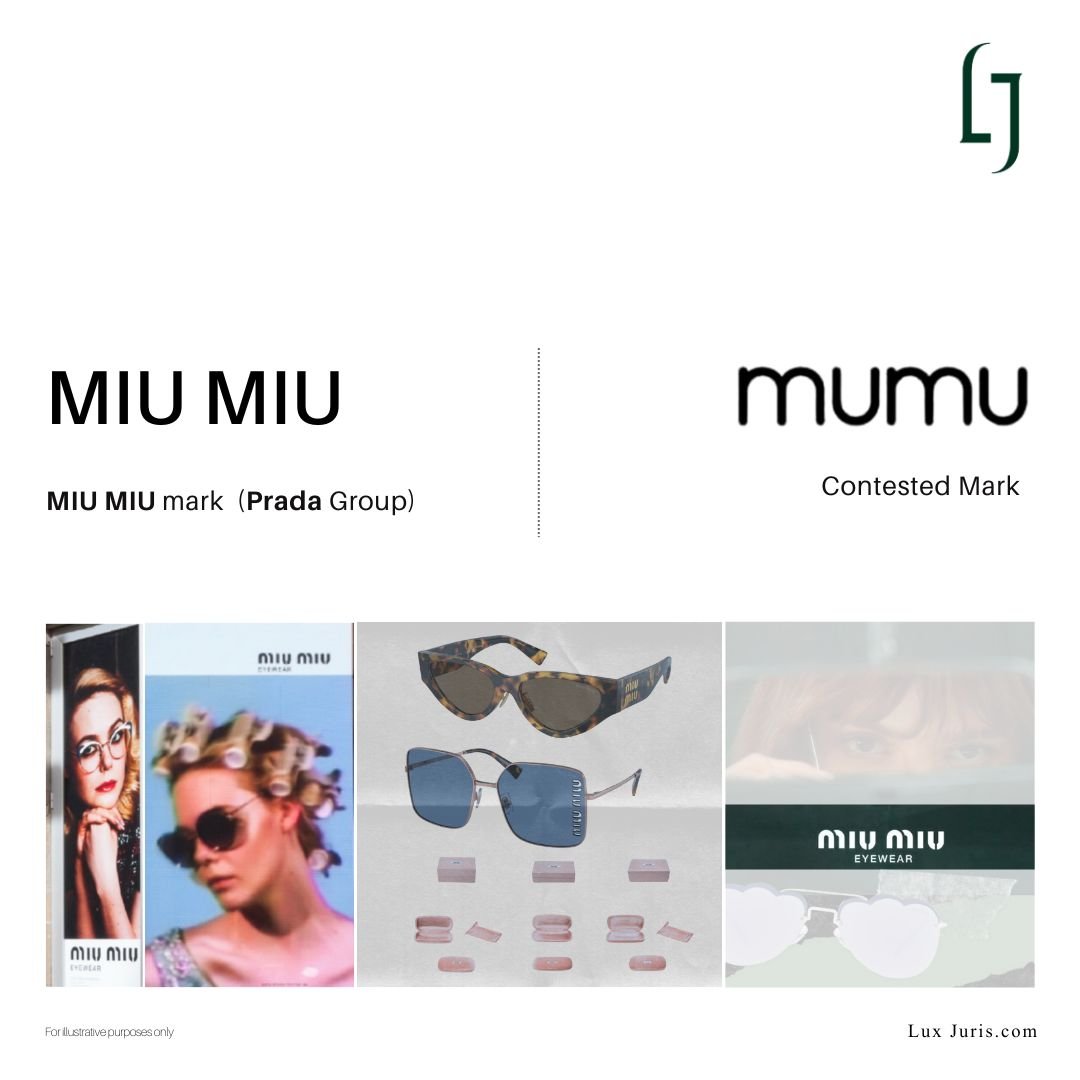
When Prada’s, owner of the Miu Miu brand, opposed the registration of the sign Mumu for eyewear, the dispute appeared, on its surface, to turn on a minor phonetic resemblance. Yet the European Union Intellectual Property Office (EUIPO) found that resemblance sufficient to bar registration entirely. The decision reveals how repetition functions as a powerful