-
Chanel vs Chaos Perfumes: Can a perfume bottle’s shape be protected as a trade mark?
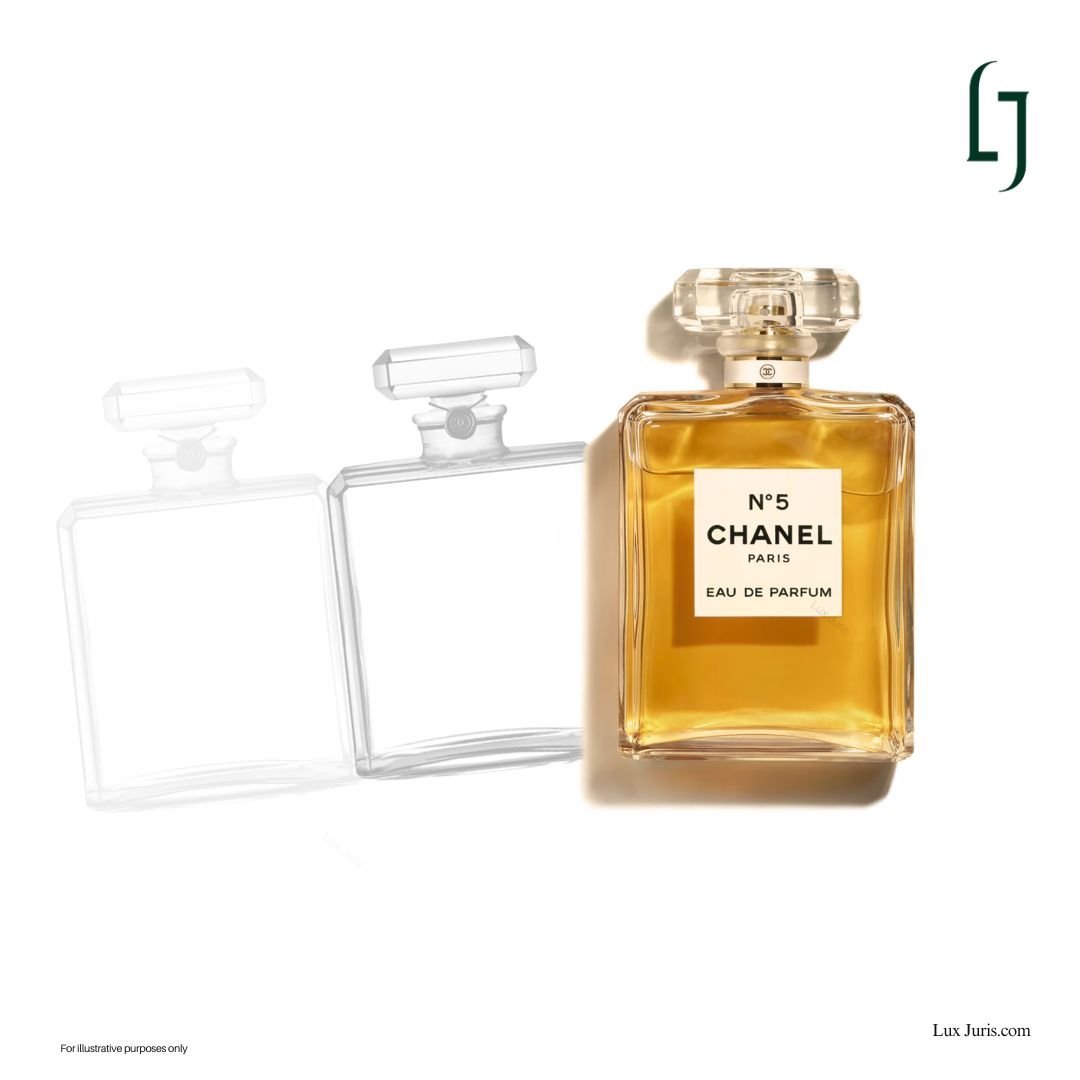
The EUIPO upheld Chanel’s opposition to a perfume bottle trade mark filed by Chaos Perfumes. Although it found only a low degree of similarity between the designs, it concluded that the later mark would take unfair advantage of the reputation of Chanel’s bottle shape. On 9 October 2026, the Opposition Division of the European Union…
-
CHANEL N°5 vs MATCH NUMBER 5: When Does a Number Become a Trade Mark Problem?
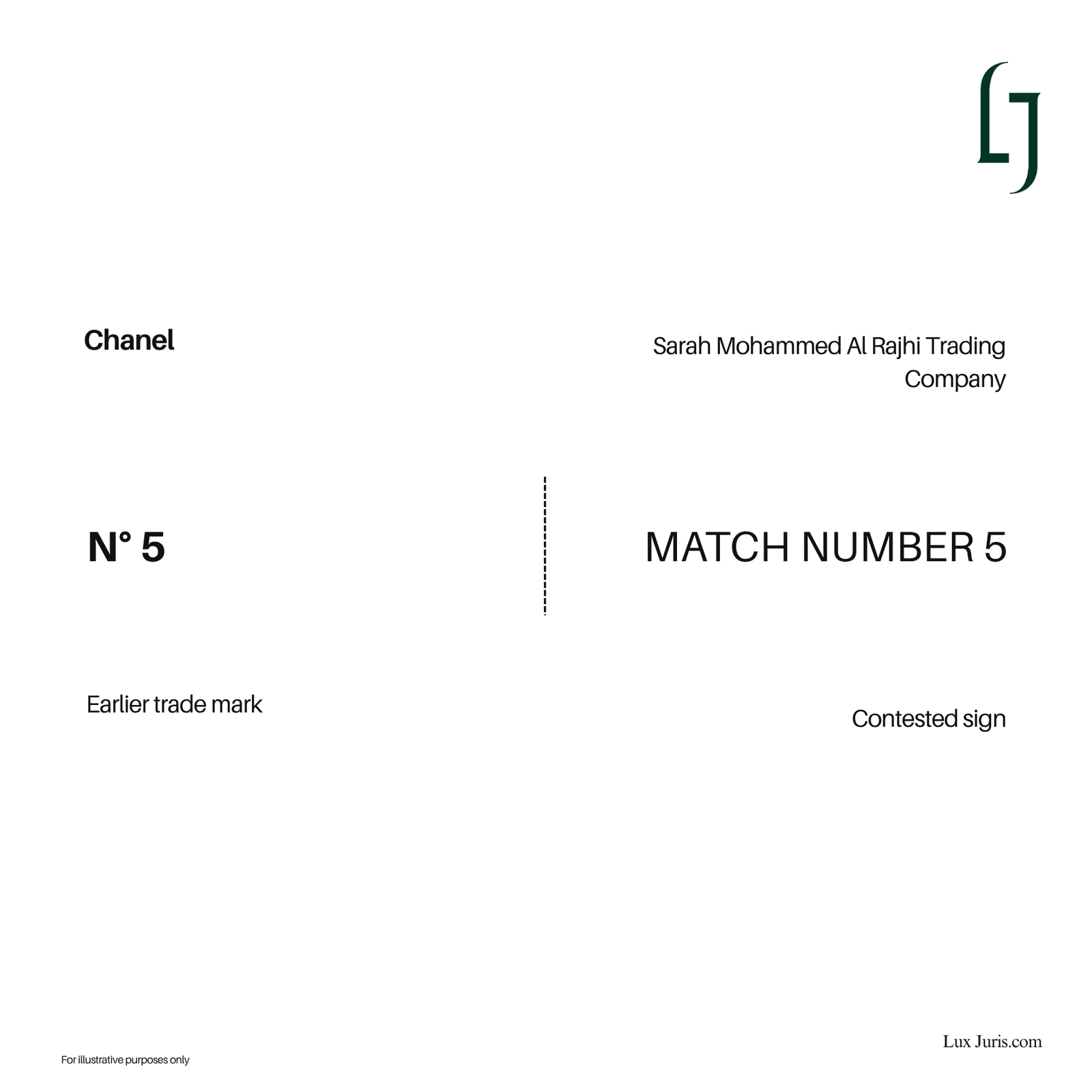
The EUIPO rejected MATCH NUMBER 5 for perfumes, cosmetics and related Class 3 goods after finding that consumers in France would connect it with CHANEL’s N°5. The decision is particularly interesting because the signs were only weakly similar visually and aurally, yet the opposition succeeded on reputation and unfair advantage. Some trade mark disputes turn…
-
Birkenstock vs Lidl: Copyright and Sandal Design
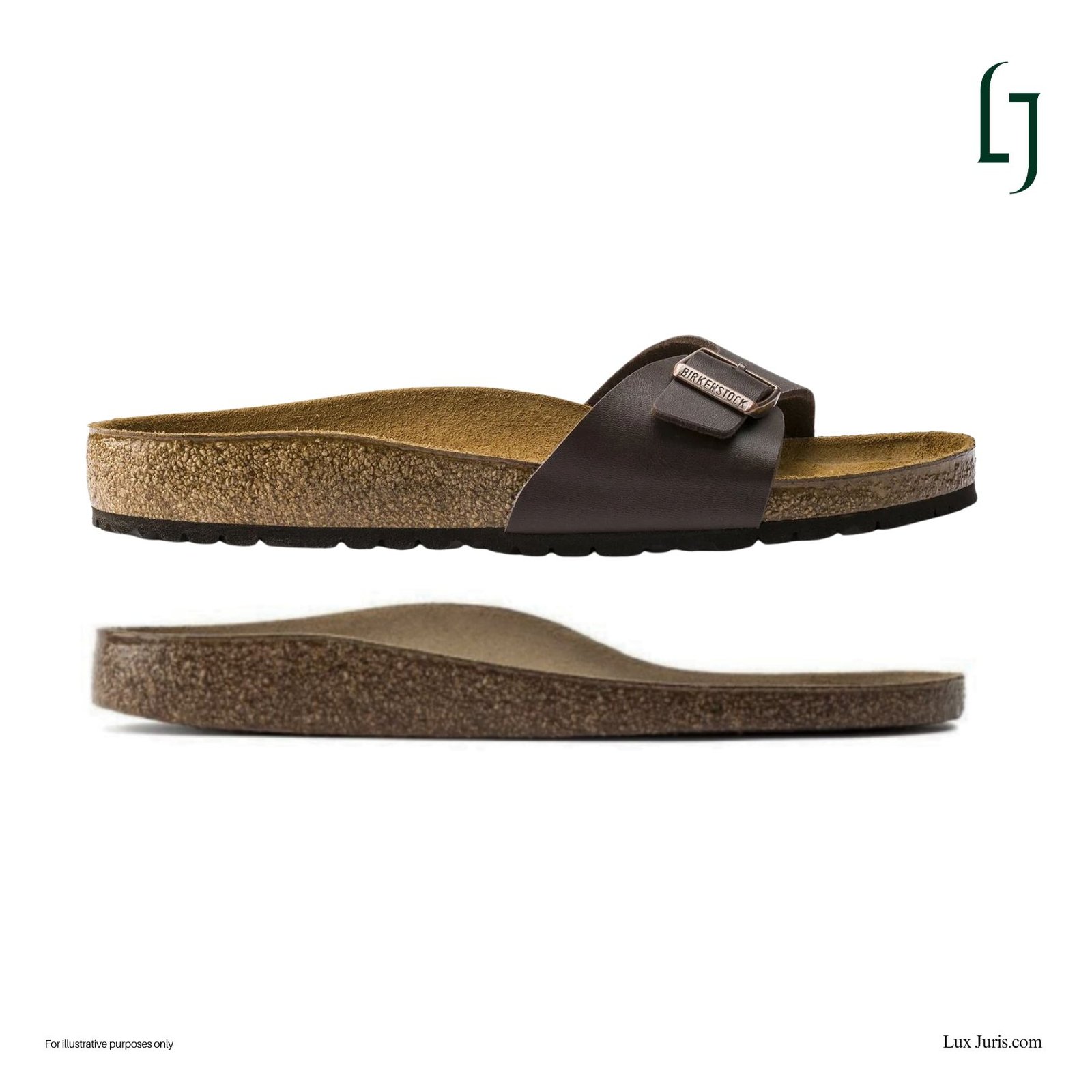
A single protected feature can support a copyright claim against several lookalike products. In Birkenstock v. Lidl, a Dutch court found that five Lidl sandal models had reproduced the same protected feature of Birkenstock’s lower part. On 23 September 2026, the District Court of Gelderland ruled on a dispute over Lidl sandals resembling Birkenstock’s Madrid,…
-
Louis Vuitton vs Kamad Reworked: when upcycling becomes a trade mark problem
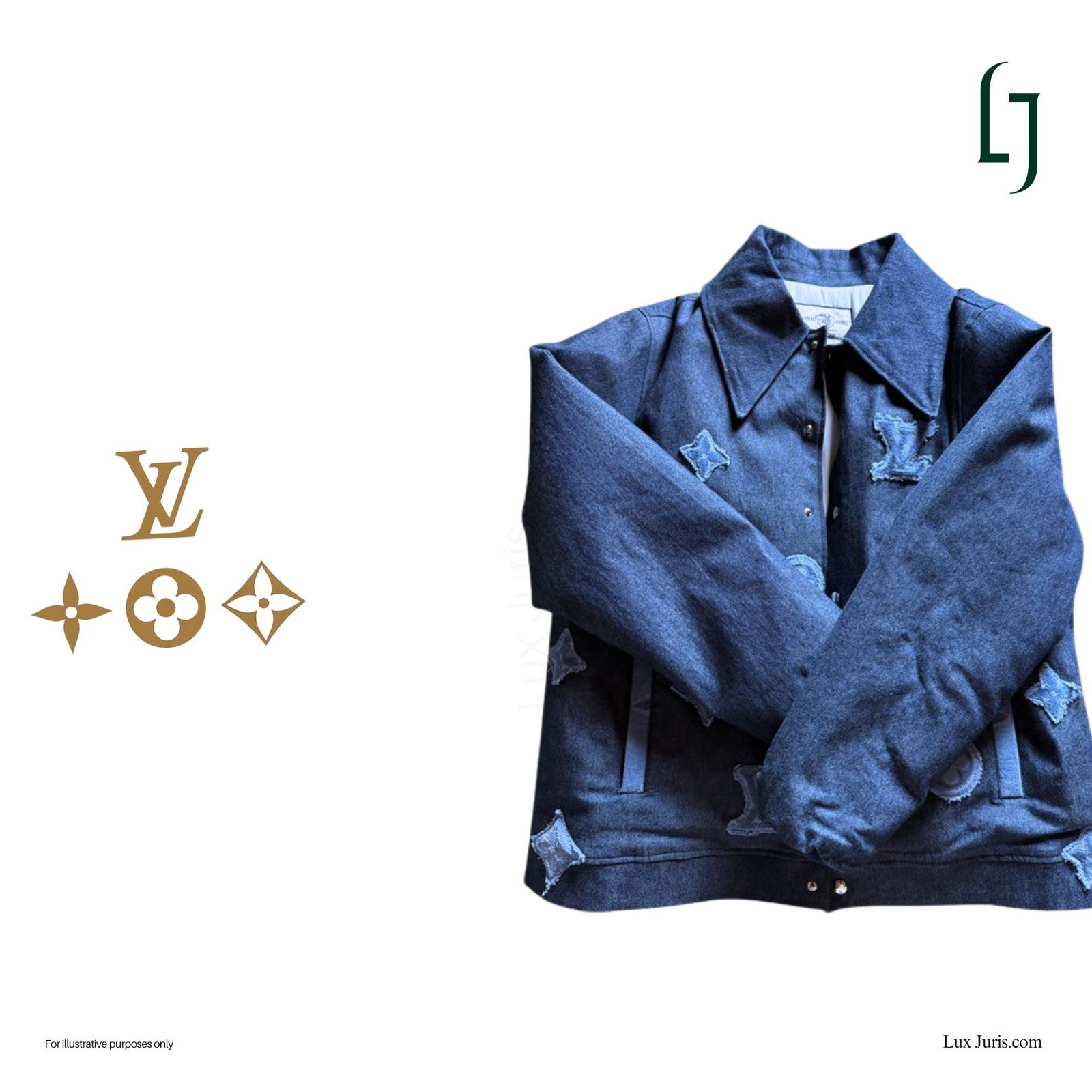
Commercial upcycling is creating a growing legal tension in luxury. A genuine product may be lawfully bought and altered, but that does not necessarily settle what can be done with the trade marks carried on it. That issue was central to Louis Vuitton’s case against Kamad Reworked. On 17 September 2026, the Paris Judicial Court…
-
Birkenstock vs White Mountain: when can a brand wait before suing over a dupe?
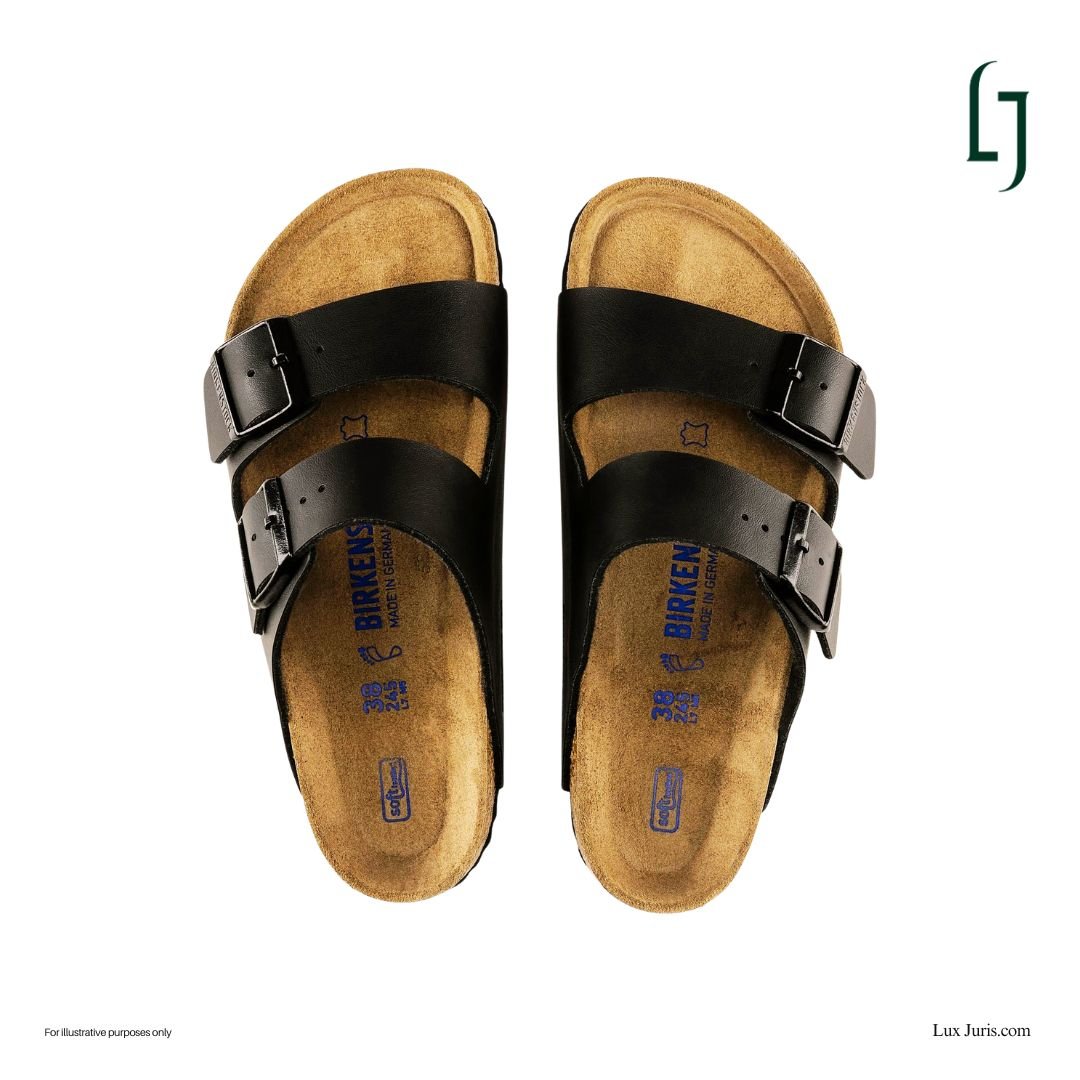
A brand does not always sue as soon as it becomes aware of a competing lookalike. The accused product may initially sell in relatively small numbers, occupy a limited competitive position or simply not justify the cost of litigation. That calculation can change, however, if the same product later reaches more consumers, moves into new…
-
When the trade mark is not on the dupe, but in the route to it
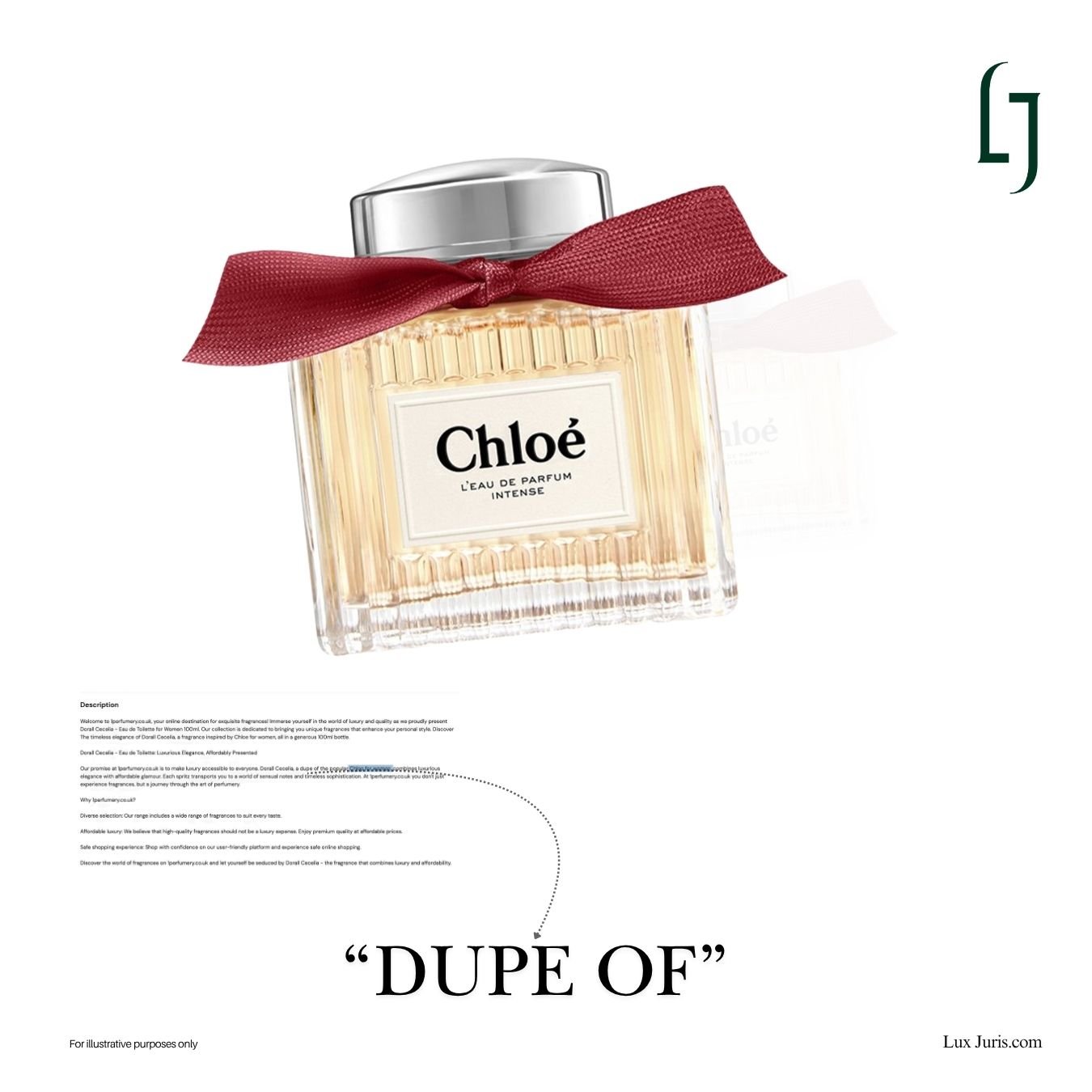
A perfume dupe does not need to carry the original brand’s trade mark on its bottle or packaging for trade mark issues to arise. A recent decision from the District Court of The Hague shows why the legal analysis may extend beyond the physical product to the way that product is offered, searched for and…
-
Luxury beyond resale: upcycling, transformation and the trademark question
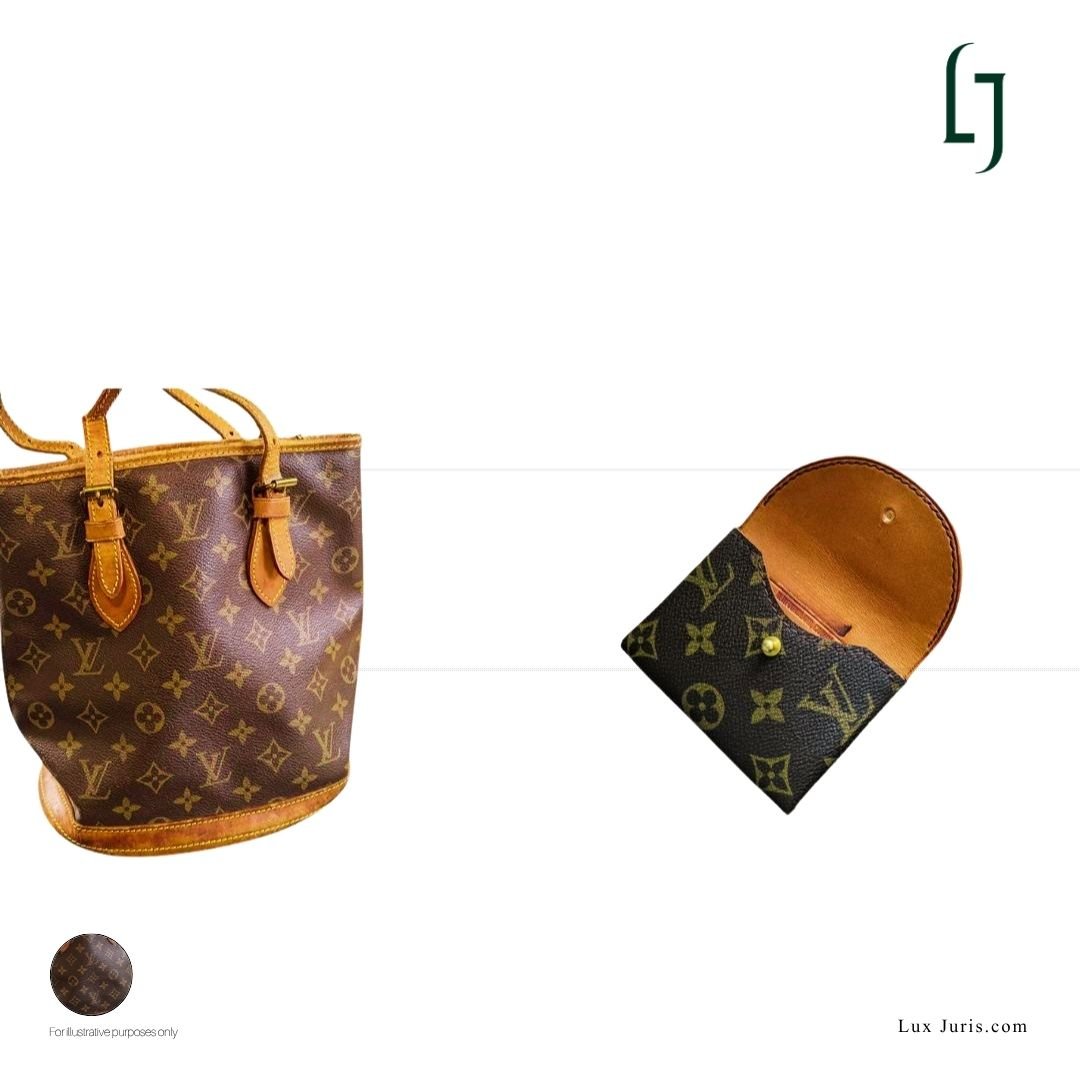
Luxury upcycling can describe different businesses. A customer can take a bag, piece of jewellery or another luxury object they already own to an atelier, ask for it to be transformed, and receive it back in another form. An upcycler can also source luxury objects or components, use them to create new pieces and offer…
-
Protecting the Trademark and Protecting the Brand Are Not the Same
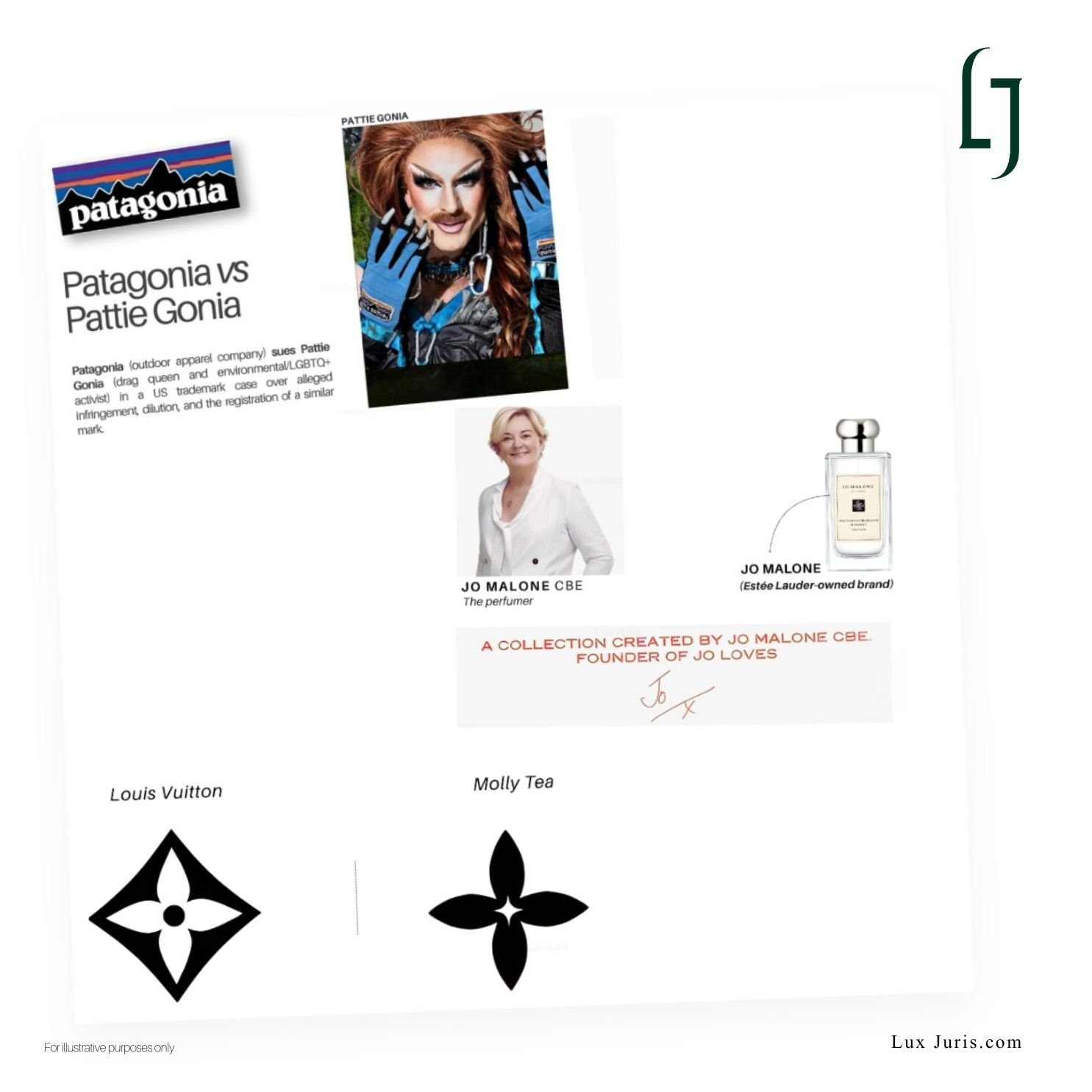
A rights holder may have registered trademarks, substantial goodwill and a credible basis for enforcement. Another sign may be similar, used commercially in a related space or capable of suggesting a connection that does not exist. The legal position may therefore be strong, yet the dispute itself can still damage the brand that enforcement was…
-
ZARA vs ZORA: When Reputation Is Enough
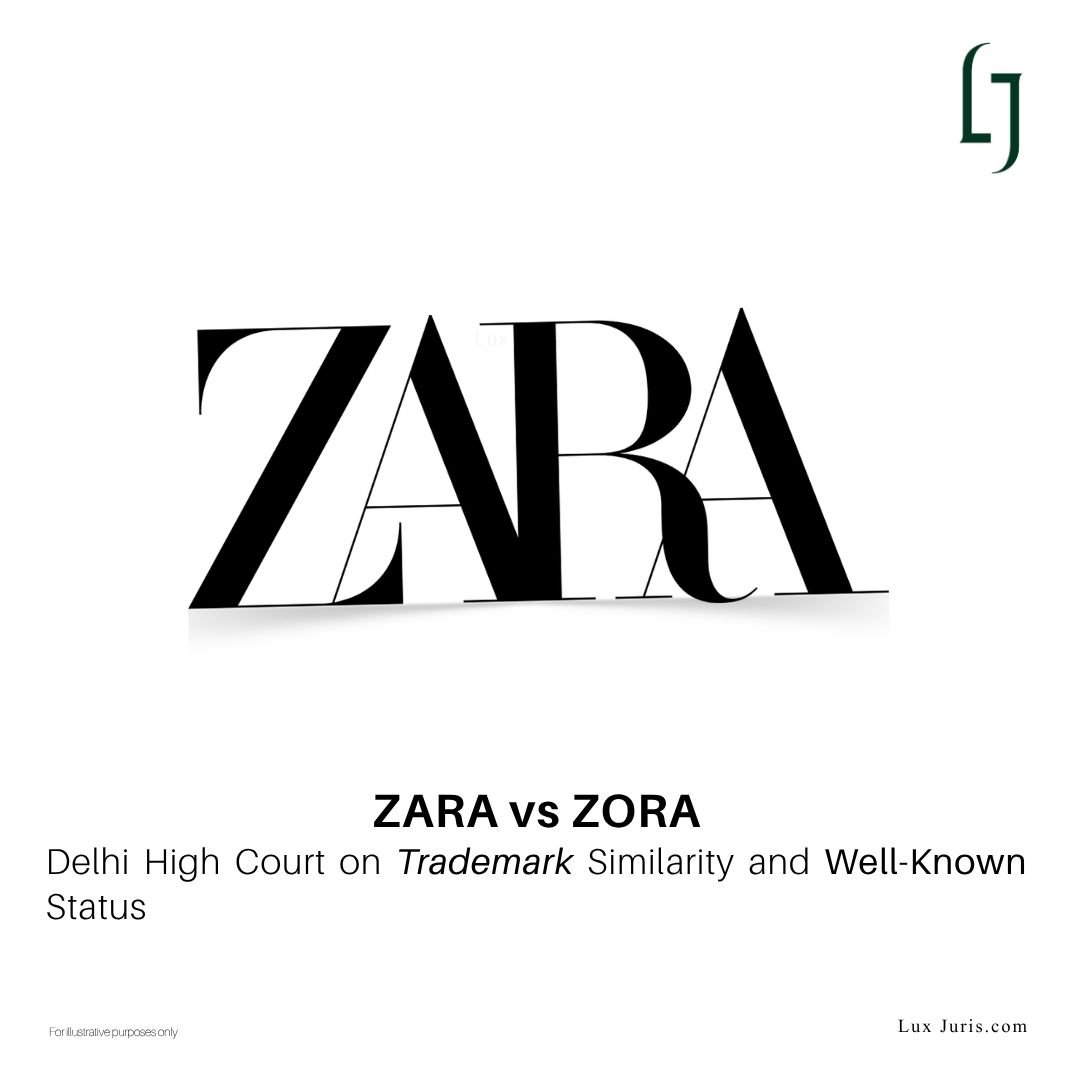
Comparing two trademarks often begins with the point at which they differ. A changed letter, a different ending or an altered pronunciation can create the impression that two marks are sufficiently distinct to coexist. That instinct is understandable, but it is not the test prescribed by trademark law. In Industria de Diseño Textil S.A. v.…