-
Why “En attendant mon Birkin” Was Held to Be Trademark Infringement
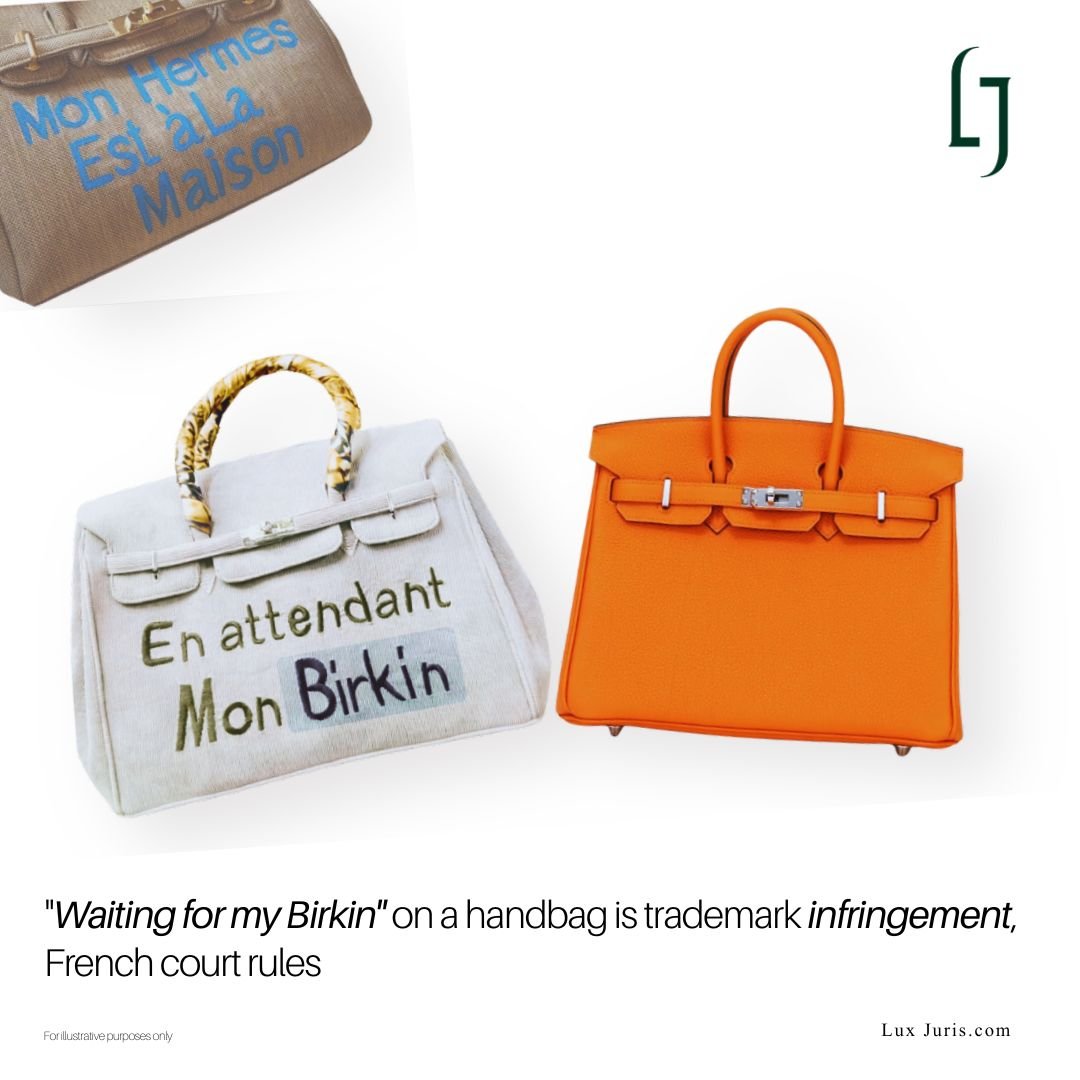
Why “Waiting for My Birkin” Was Treated as Trademark Infringement “En attendant mon Birkin”, translated as “Waiting for my Birkin”, appears at first reading as a light and self-aware phrase. In March 2026, the Court of Appeal of Versailles examined whether such wording, printed on handbags, remains harmless humour or amounts to trademark infringement. The…
-
Jo Malone Sold Her Name to Estée Lauder. Now She Is Being Sued for Using It
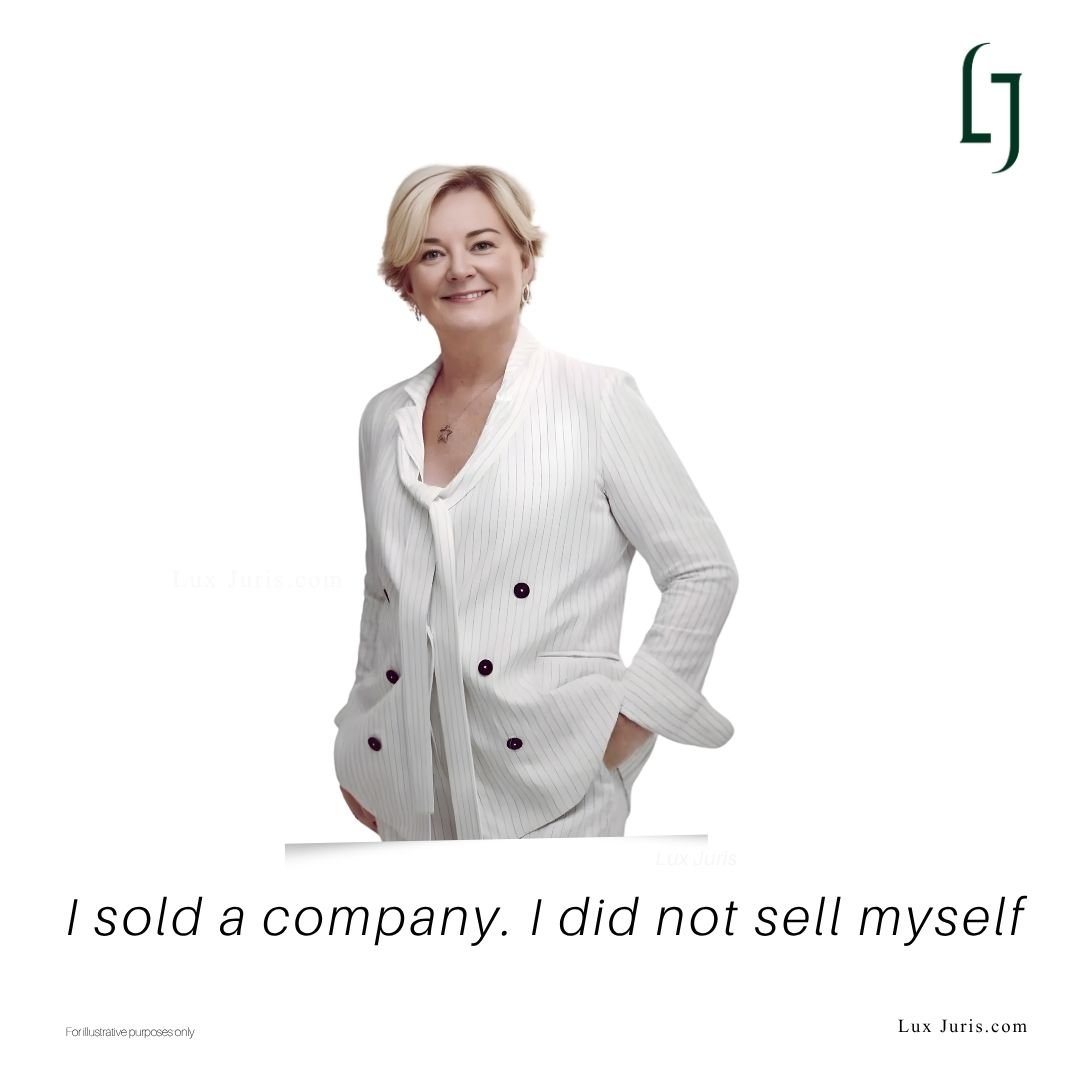
On 8 April 2026, Jo Malone posted a video on Instagram. She described herself as “surprised and very sad.” The surprise, she said, was a High Court claim filed in March 2026 by The Estée Lauder Companies. “I sold a company,” she said. “I did not sell myself.” That distinction, between a person and a…
-
PUMA vs HYPER TYGER: When Getting Too Close Becomes a Problem
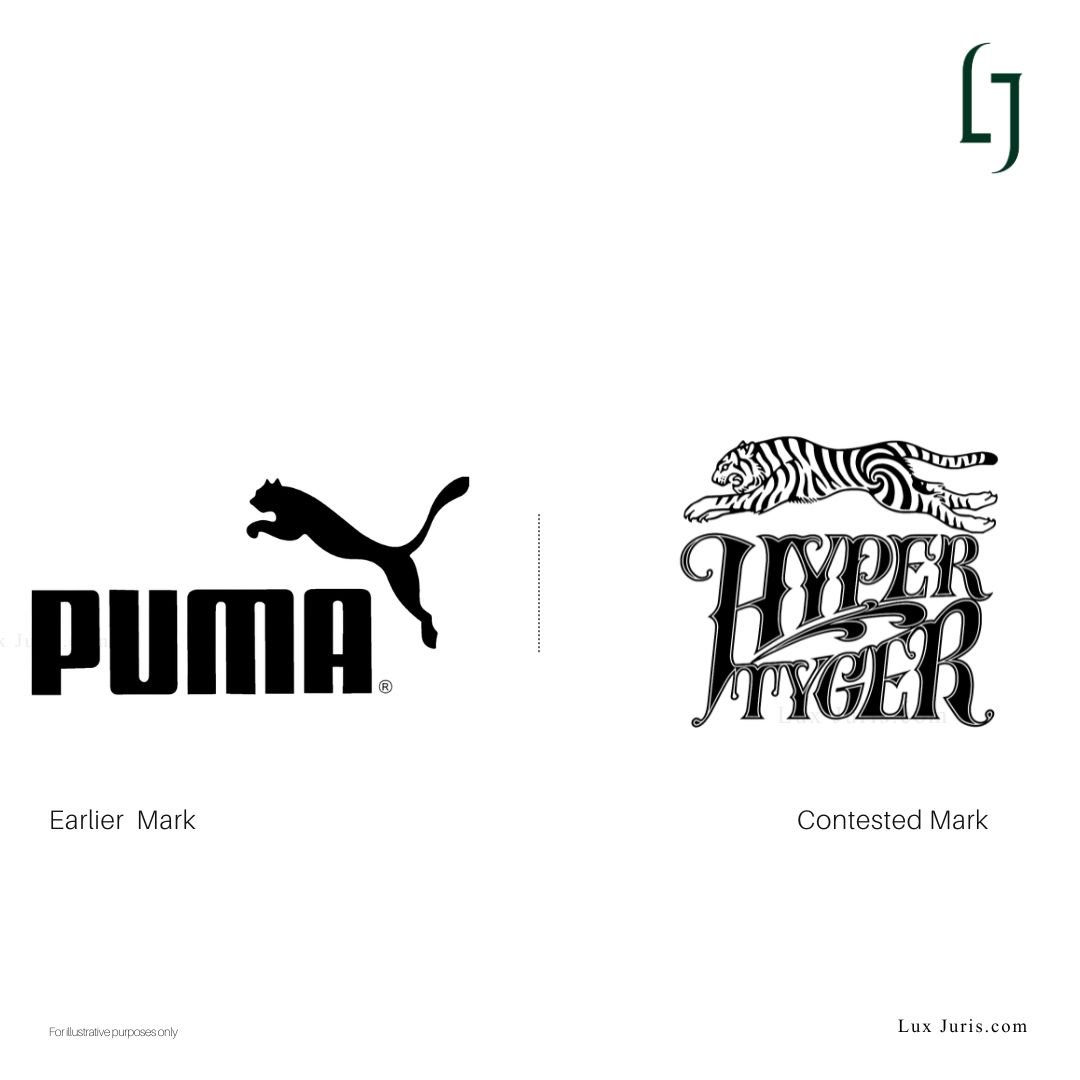
The decision in PUMA v. HYPER TYGER, issued on 27 March 2026, is not a blanket rule against using animal logos, nor does it suggest that anything resembling PUMA is automatically prohibited. The outcome is narrower, but more precise. It shows how, in certain circumstances, particularly within the European Union, a brand can be refused…
-
Fauré Le Page vs Goyard: The Case of “Paris 1717”
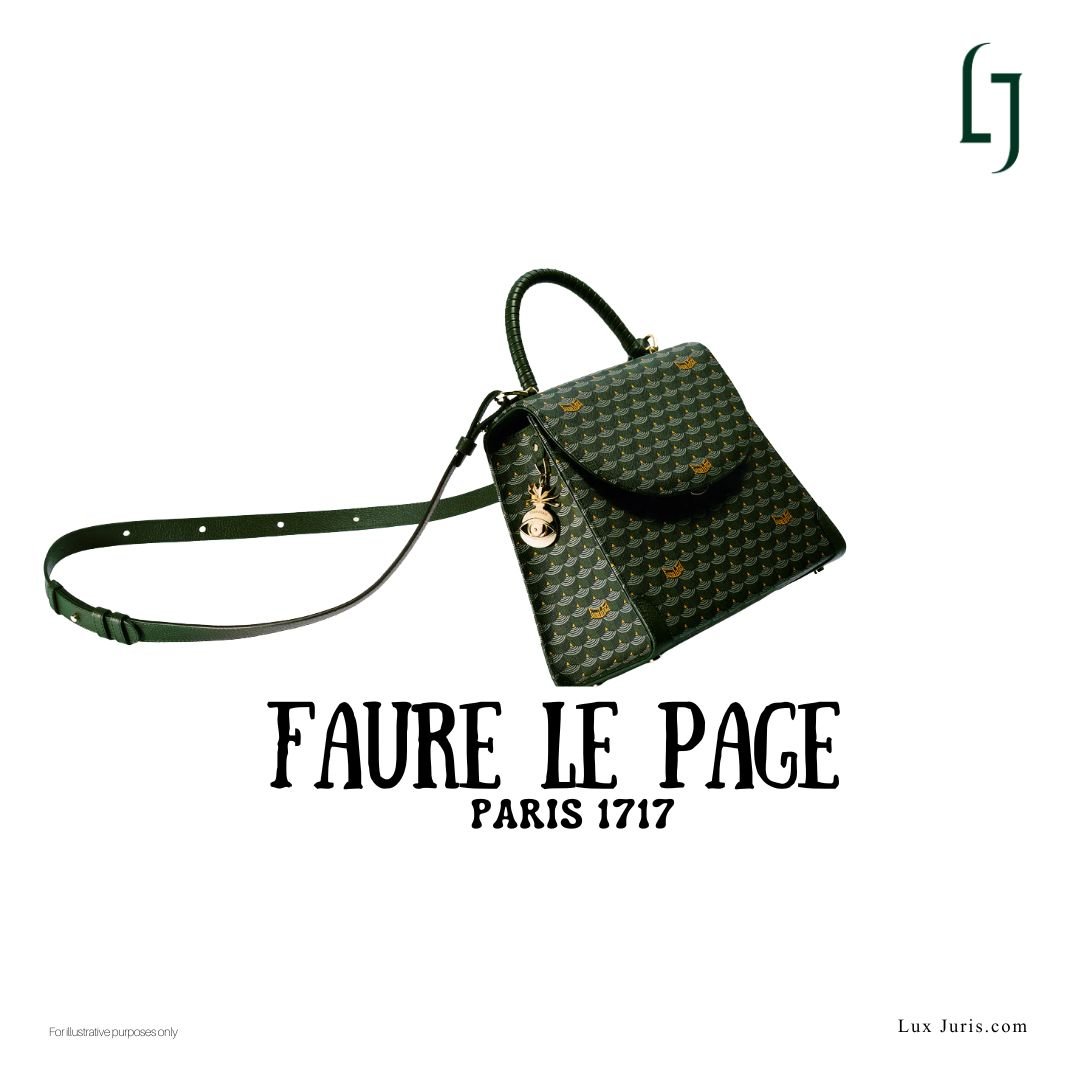
The recent judgment in Fauré Le Page vs Goyard is not about counterfeiting, imitation, or confusingly similar marks. It deals with a narrower but more revealing issue: whether a luxury brand can present a constructed past as fact. At the centre of the dispute is a trade mark bearing the words “Paris 1717”. On its…
-
Lacoste vs Crocodile International: The Crocodile Logo Trademark Case
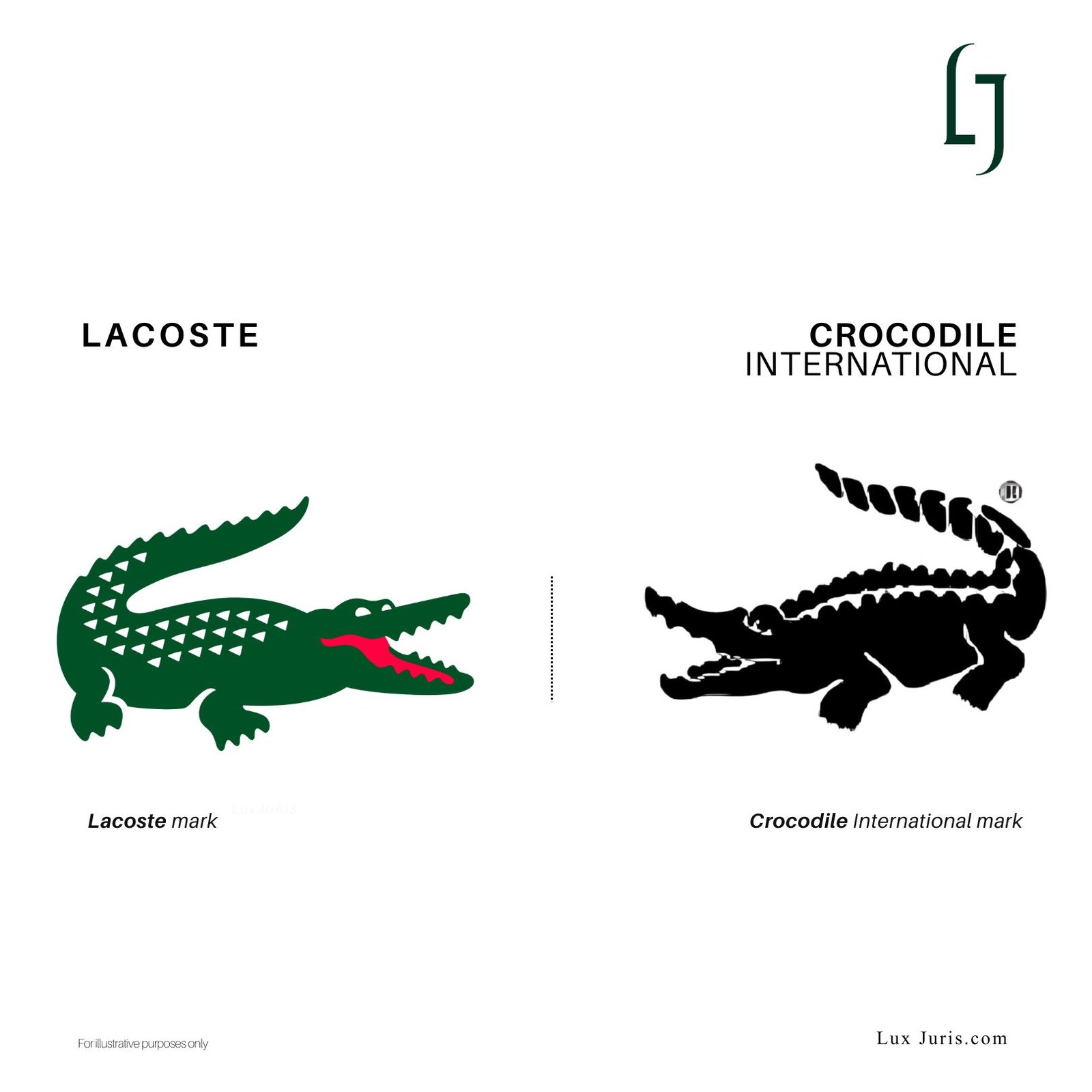
For many people around the world, a small green crocodile stitched on a shirt immediately brings one brand to mind: Lacoste. The French clothing company has used this symbol for decades and built much of its identity around it. But Lacoste is not the only brand that uses a crocodile on its clothes. Crocodile International,…
-
Hermès vs Maison R&C: When Upcycling Becomes Copyright and Trademark Infringement
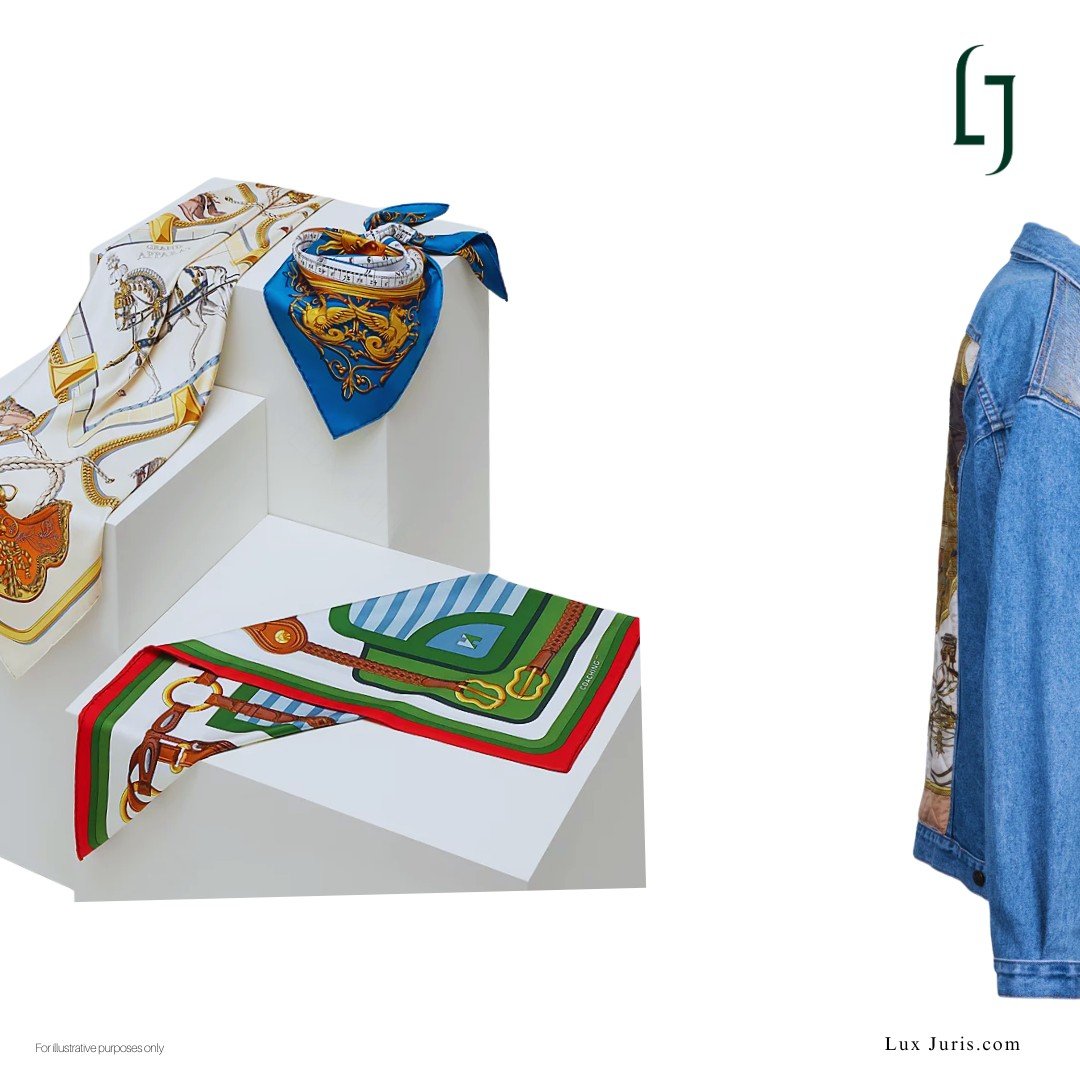
When you buy a scarf, do you gain the right to use its design in a product you plan to sell? A decision of the Paris Judicial Court examines the legal limits of “upcycling” in fashion when protected designs and trademarks are involved. The case was brought by Hermès, the luxury house responsible for producing…
-
Estée Lauder vs Walmart: Counterfeit, Dupes and Marketplace Responsibility

Counterfeit beauty products are no longer hidden in obscure corners of the internet. They now appear on large, well-known online marketplaces, displayed next to genuine products and processed through trusted checkout systems. At the same time, “dupes” have become part of mainstream consumer culture. Some imitate packaging, colour schemes or scent profiles without copying the…
-
On What Remains Unwritten
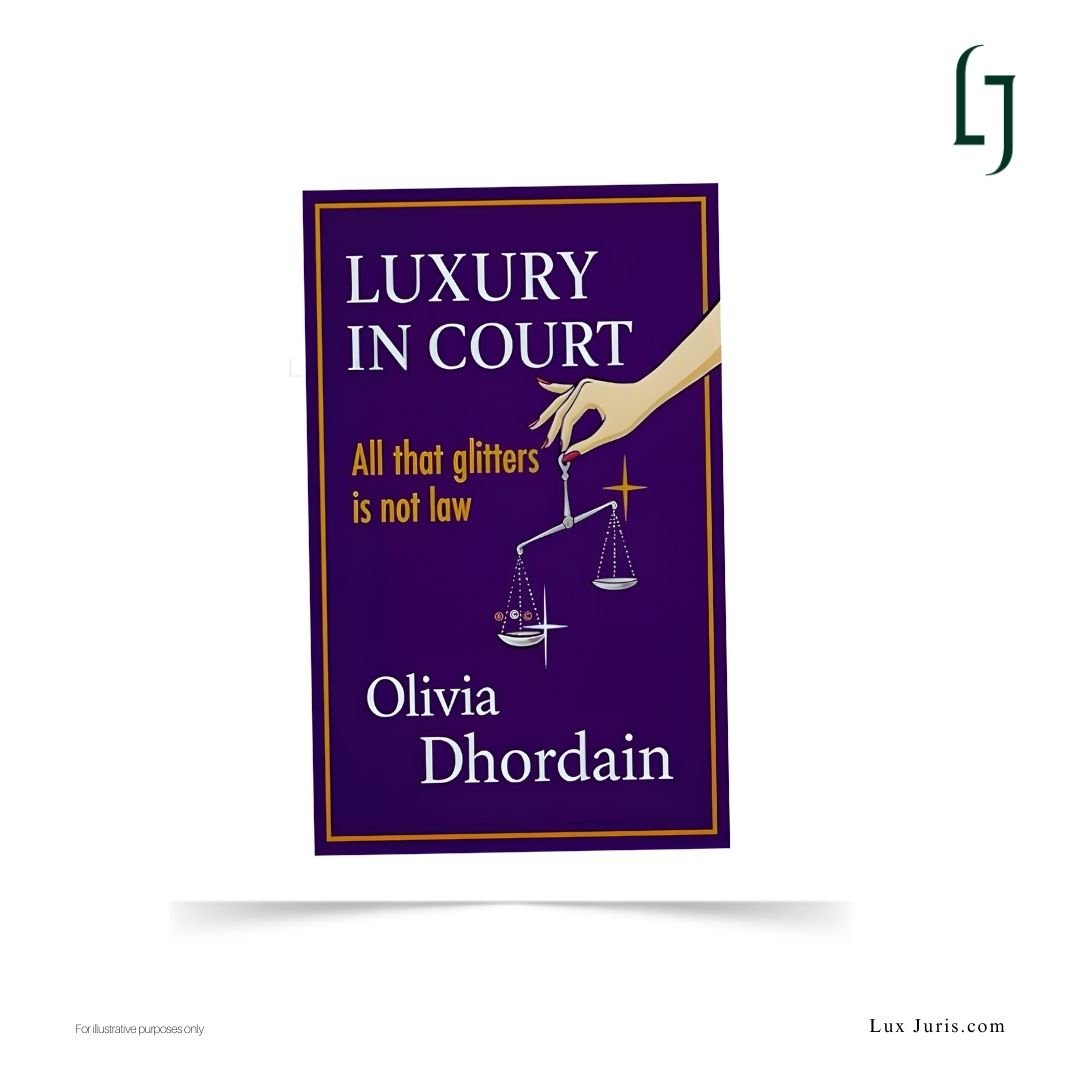
We all know a fundamental truth of this profession: that, like an athlete, it demands intense dedication. To reach the top, one cannot avoid constant preparation, study, and practice, which is why law is often called a jealous mistress. Our work is a discipline that occupies time, attention, and thought, leaving little space for anything…
-
Why Bottega Veneta’s Weave Is a Trademark and NAGHEDI’s Is Not (Yet)
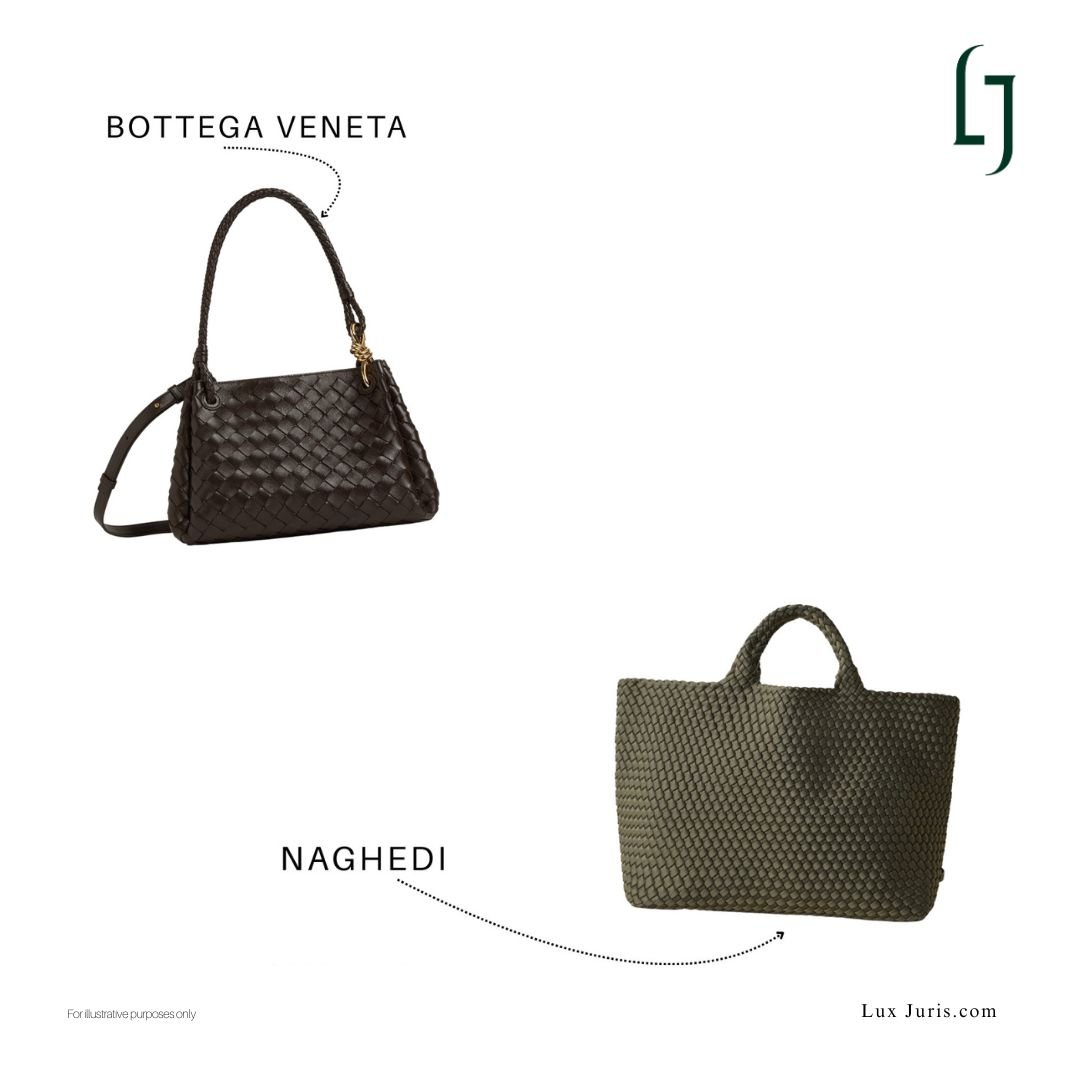
The recent refusal by the United States Patent and Trademark Office (USPTO) of NAGHEDI’s application to register its woven neoprene pattern offers a useful point of comparison with one of the most frequently cited successes in fashion trademark law: Bottega Veneta’s registration of its leather intrecciato weave. Taken together, the two matters illustrate the practical…