-
How Close Is Too Close? Limits on “Inspired” Jewellery in France
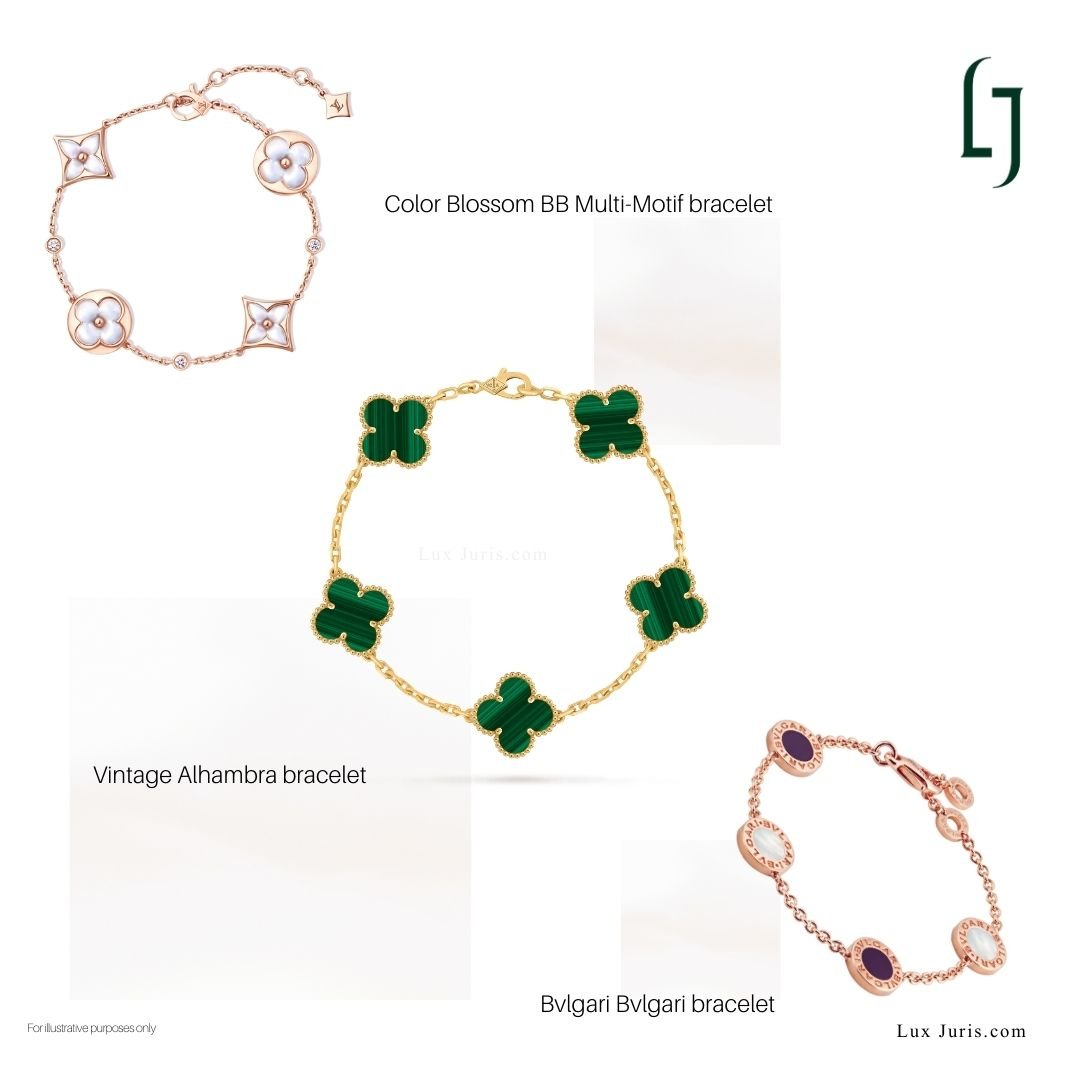
Jewellery design operates in a narrow creative corridor. Most collections are built from a shared repertoire of forms, the serpent, the nail, the clover, floral clusters, articulated chains, minimalist bands, textured hoops or geometric links, and differentiation often lies not in the motif itself, but in proportion, modelling, material treatment and composition. A few millimetres…
-
Patagonia vs Pattie Gonia
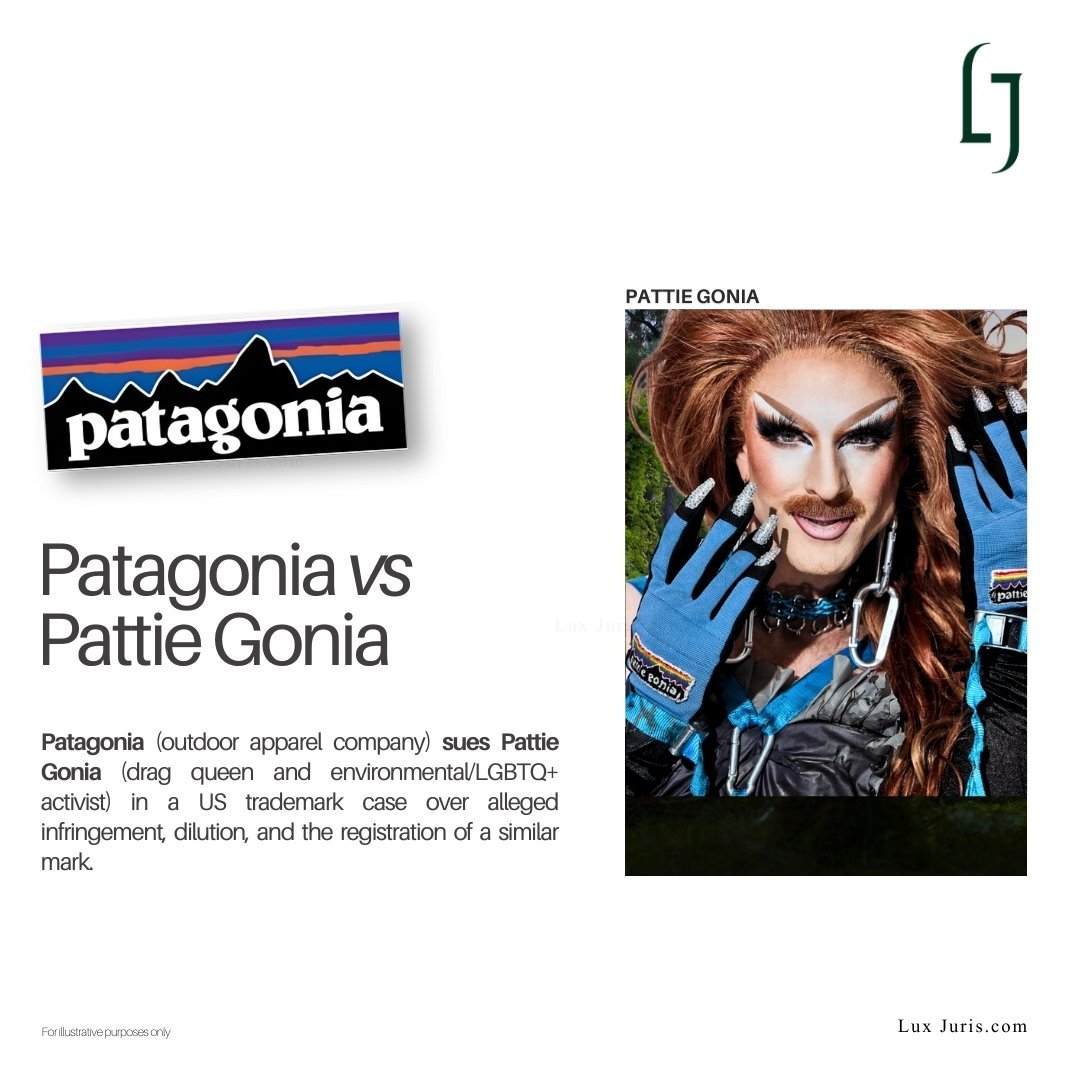
Patagonia, Inc. v. Entrepreneur Enterprises, Inc. (Pattie Gonia). Trademark infringement, dilution, and registration of a similar mark. On 21 January 2026, Patagonia, Inc. filed proceedings in the United States District Court for the Central District of California against Entrepreneur Enterprises, Inc., doing business as Pattie Gonia Productions, and its founder Wyn Wiley. The complaint brings…
-
MIU MIU vs MIN MIN: Why Small Changes Were Not Enough
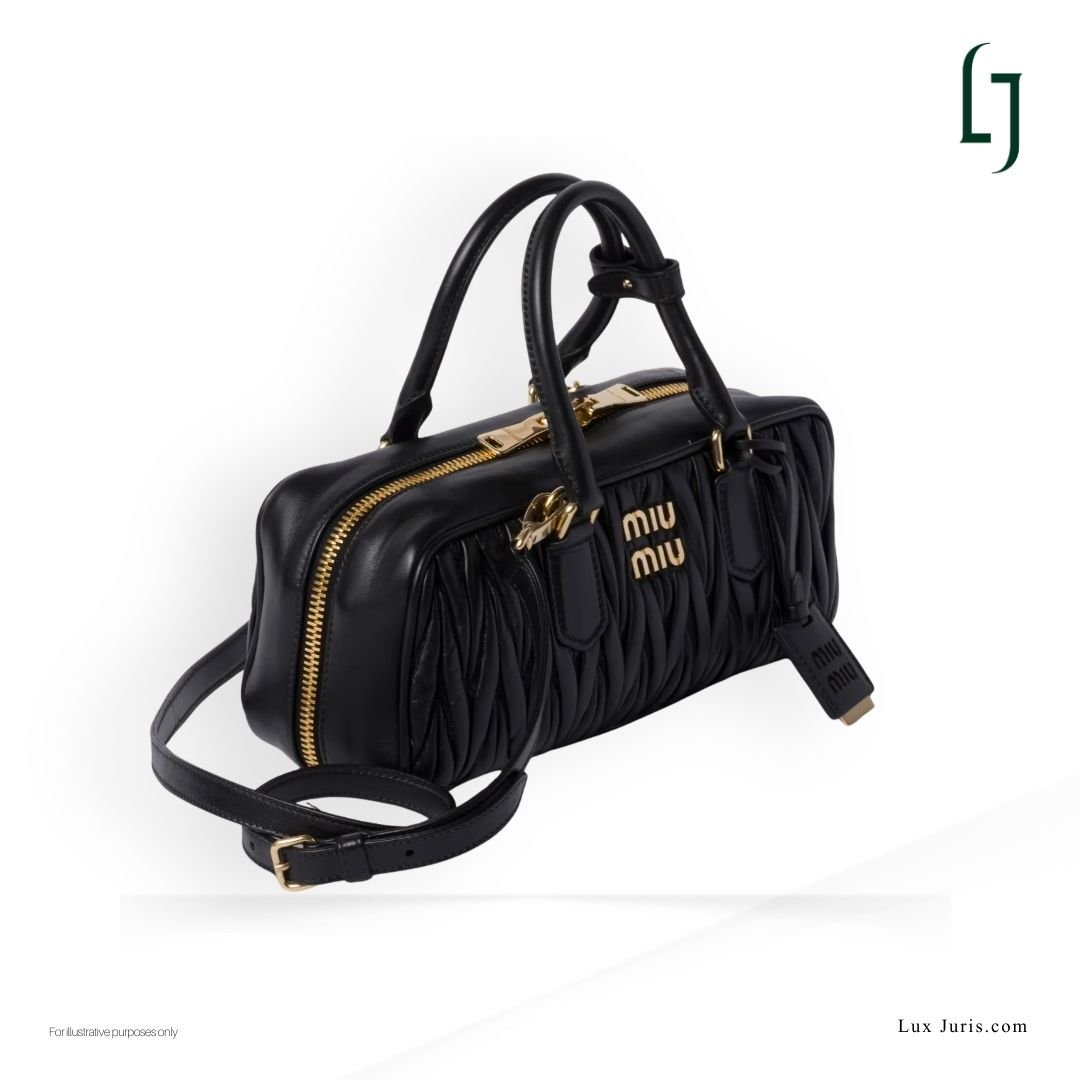
MIU MIU is a long-established brand within the Prada group’s portfolio, used for ready-to-wear, footwear and leather goods, including handbags. At the time the Opposition Division delivered its decision on 14 January 2026 in Prada S.A. v. Guangzhou Min Min Leather Co., Ltd, the mark was supported by a dense network of branded retail stores…
-
Louis Vuitton takes on repurposed bags in China in a trademark dispute

The dispute arose from the repurposing and resale of second-hand Louis Vuitton Malletier handbags by Shenzhen Bangtu Cultural Media Co., Ltd (Bangtu). The defendant acquired pre-owned Louis Vuitton bags, dismantled them, and reassembled the materials into altered handbags, which were sold through online platforms. Louis Vuitton initiated proceedings before the Hangzhou Intermediate People’s Court, alleging…
-
J’ADORE vs ADORE Professional (EUIPO): Naming Risks in Beauty Branding
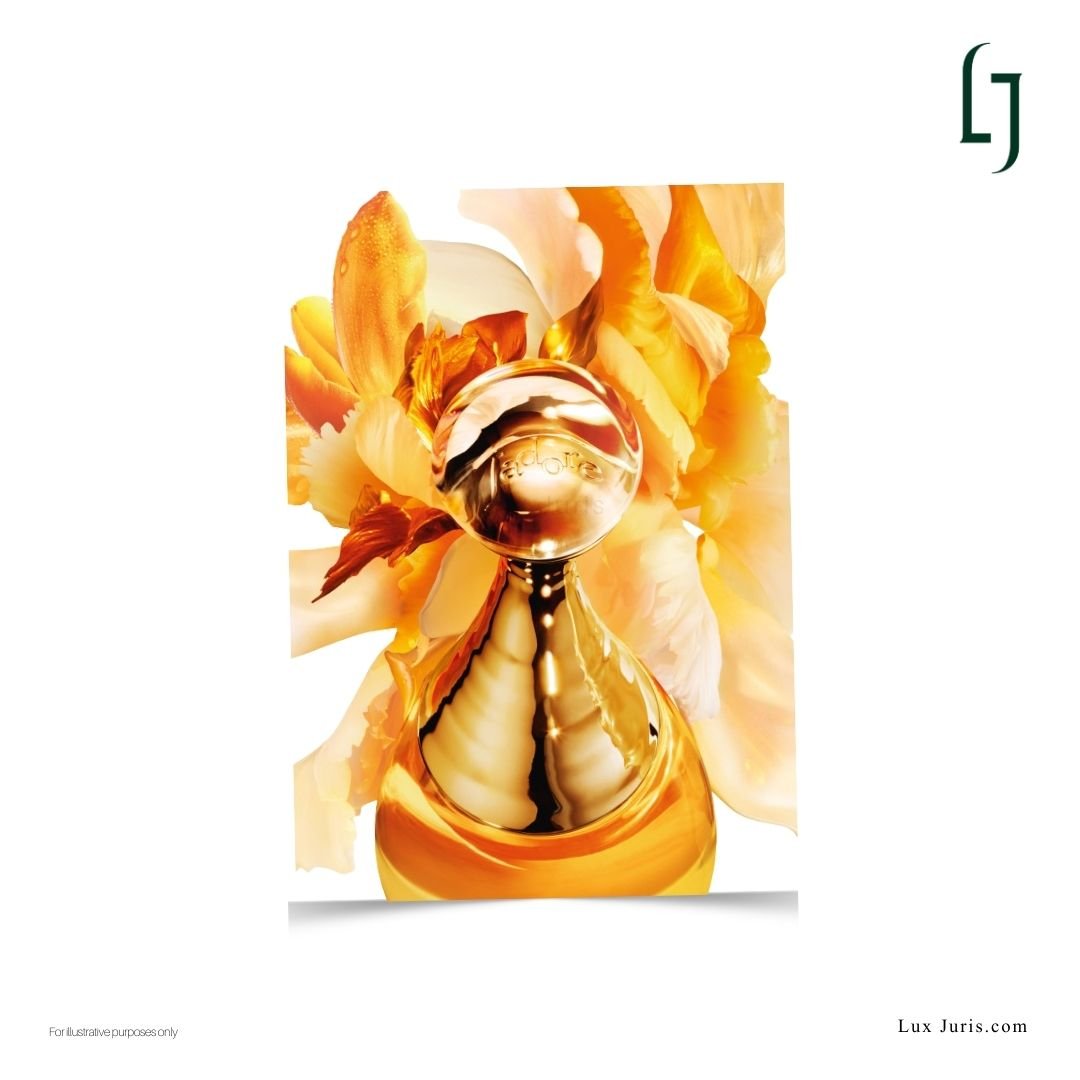
J’ADORE v. ADORE Professional: Reputation and the Limits of Brand Differentiation in EU Trade Mark Law The EUIPO Opposition Division’s decision of 13 January 2026 confirms the continuing reach of reputation-based protection in EU trade mark law. The opposition, filed by Parfums Christian Dior, succeeded in blocking the registration of ADORE professional for manicure and…
-
Can a Colour Be Trademarked in Fashion? The Law Behind the Industry’s Most Recognisable Shades
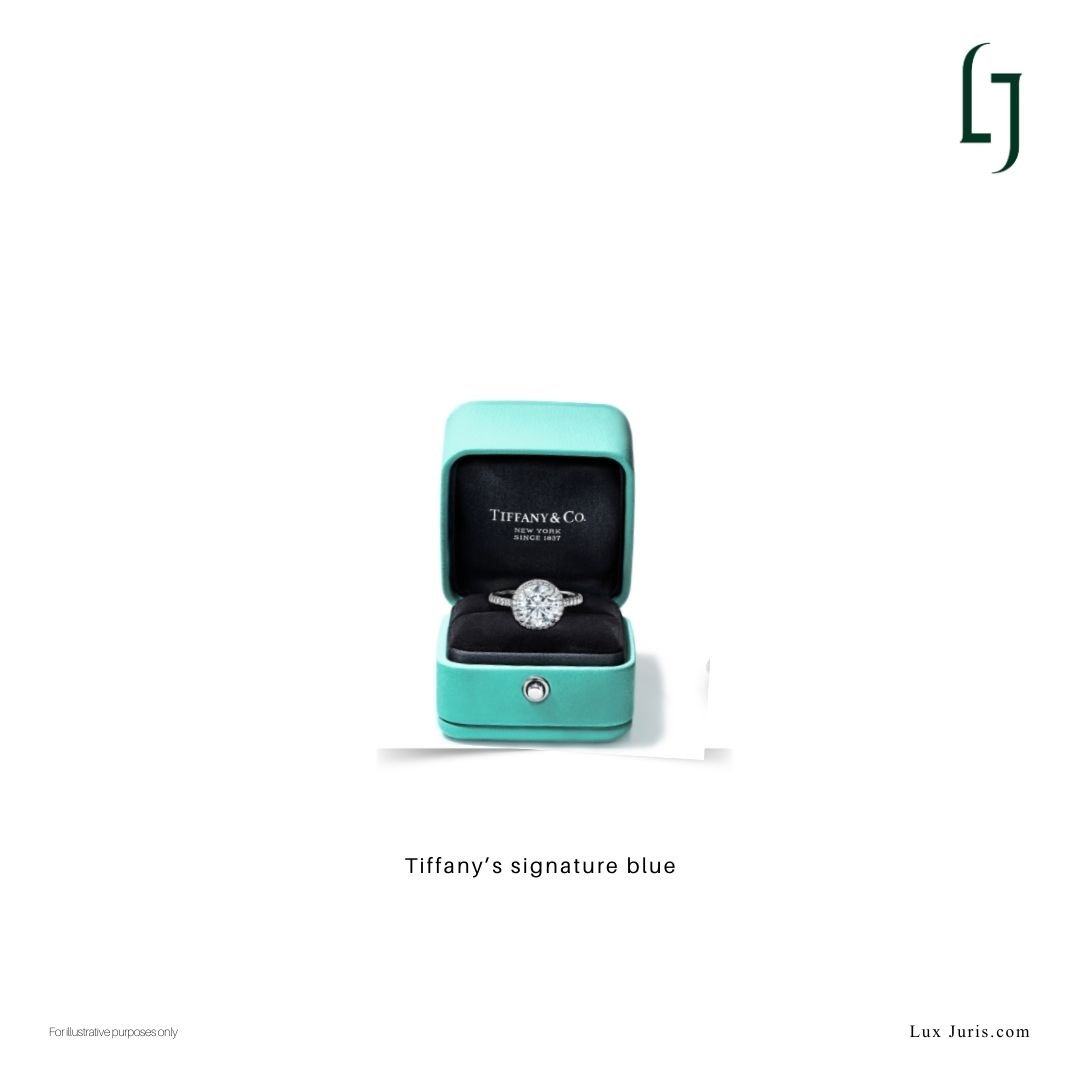
Colour in fashion is emotional, cultural, cyclical, referential, and constantly redistributed through trend logic, runway diffusion, imitation, and seasonal palettes. Trademark law, by contrast, does not protect emotion, culture, or cycles. It protects source, and only when the public reads a sign, without hesitation, as pointing to a single brand origin. A colour can be…
-
La Rosée vs Caudalie: Common Category Aesthetics Are Not Parasitism

Sunscreen stick design, common colour tones (yellow-orange), and sunny, beach-themed campaign visuals are category choices, not proprietary assets, belonging to the market rather than to any single brand. Parasitism claims in France cannot rest on resemblance alone, and must be anchored to a specific commercial asset that is real, economically valuable, and clearly recognised in…
-
Sol de Janeiro vs MCoBeauty and the Limits of “Smells Exactly” Like

The Sol de Janeiro v. MCoBeauty complaint filed in the Southern District of New York is not, despite the way it has been framed online, a moral argument against dupes as a product type, nor a bid to control scent families, consumer price sensitivity or the language of summer nostalgia. It is, instead, a carefully…
-
EUIPO refuses Charlotte Tilbury figurative mark
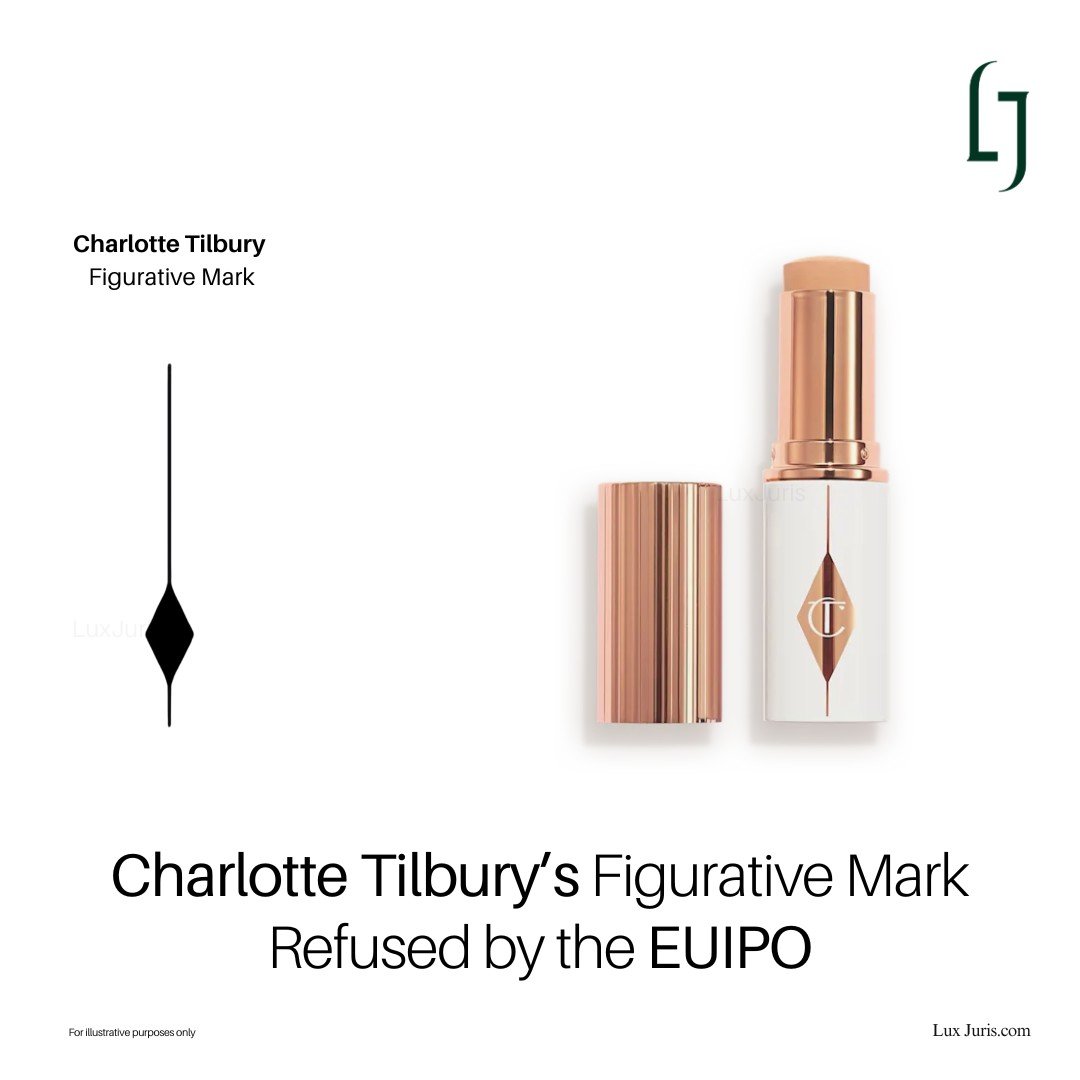
Minimalism, Geometry and the Limits of Trade Mark Protection. The EUIPO decision of 12 December 2025 refusing registration of Charlotte Tilbury’s figurative mark confirms, in clear terms, the continued strict application of Article 7(1)(b) EUTMR to minimalist signs. The Office found that the mark, assessed on its own, is devoid of inherent distinctive character for…