-
Hermès settles trade mark dispute over replicas and lookalikes in India
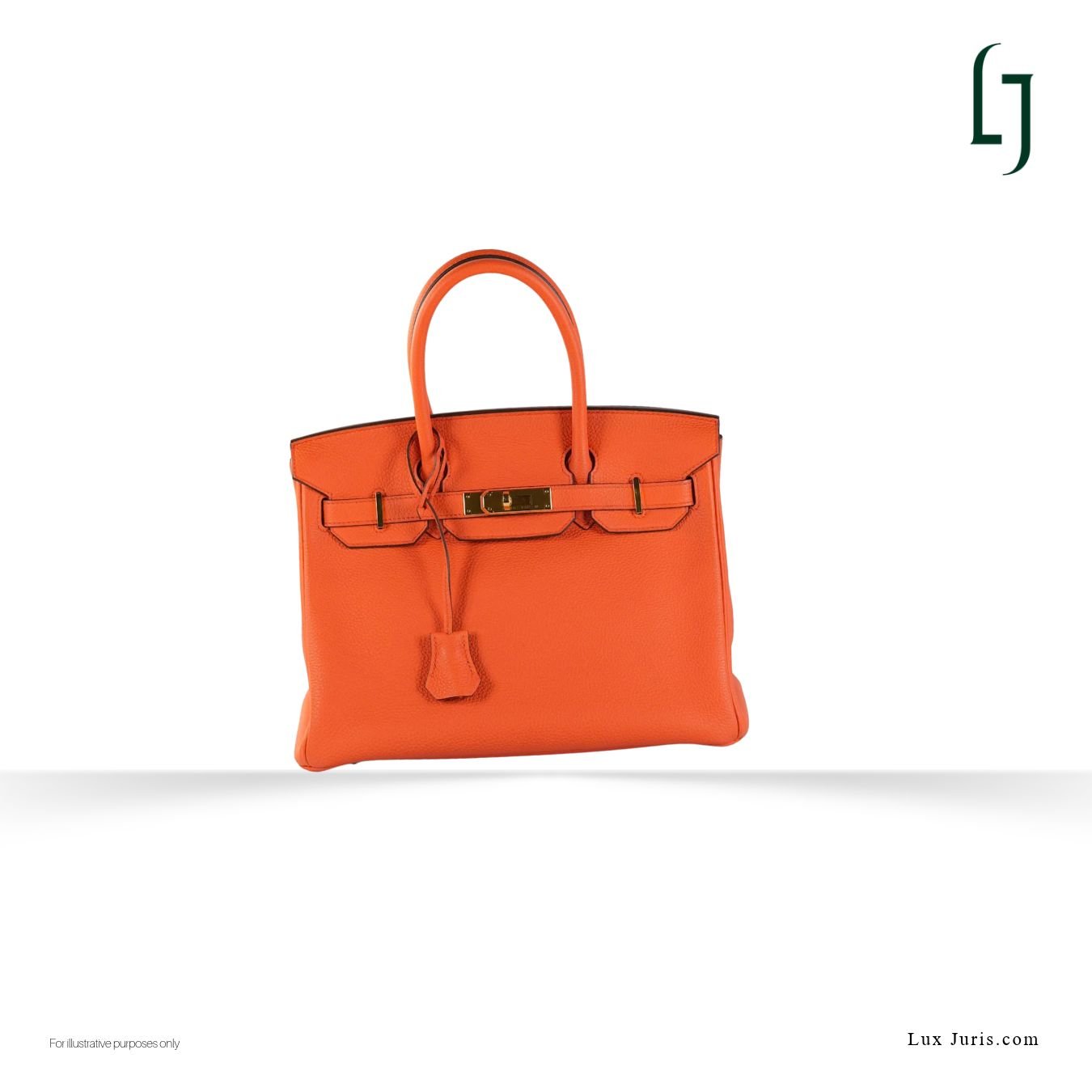
The Delhi High Court has disposed of a trade mark infringement suit brought by Hermès International against Eziere Technologies Private Limited concerning the sale of unauthorised replicas and lookalikes of several of its products, including handbags, sandals and accessories. The defendant disclosed during the proceedings that it had purchased the disputed goods through Alibaba.com. In…
-
Loro Piana vs ICON Amsterdam: The copyright claim over a white sole
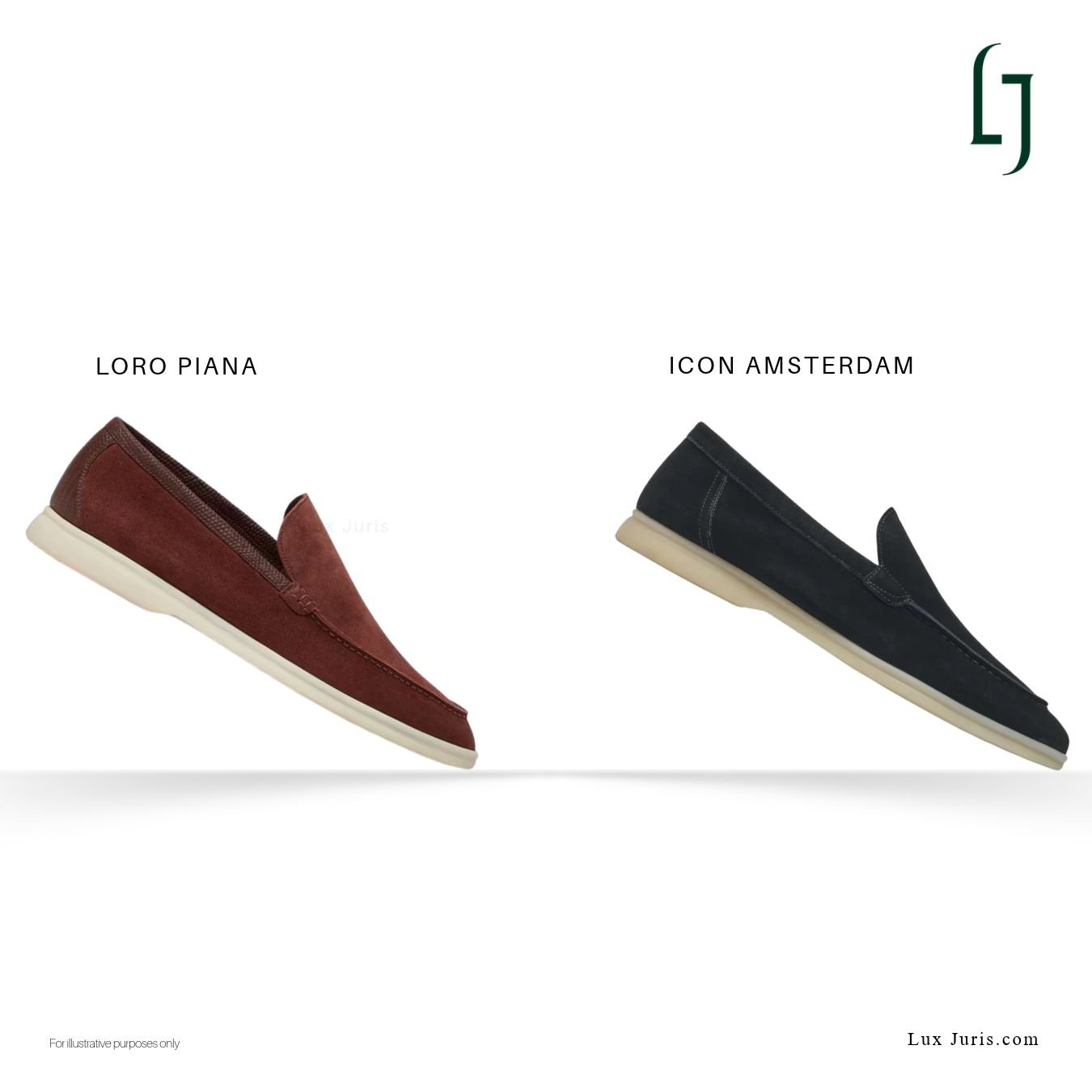
Loro Piana sought to stop ICON Amsterdam from selling shoes with soles that closely resembled its own. It claimed copyright in the white sole used in its “white sole collection”, pointing to its groove, heel, arch and material as the result of free and creative choices. On 4 November 2026, the District Court of Midden-Nederland…
-
Sophie Hallette vs NA-KD: Copyright Protection for Floral Lace Designs
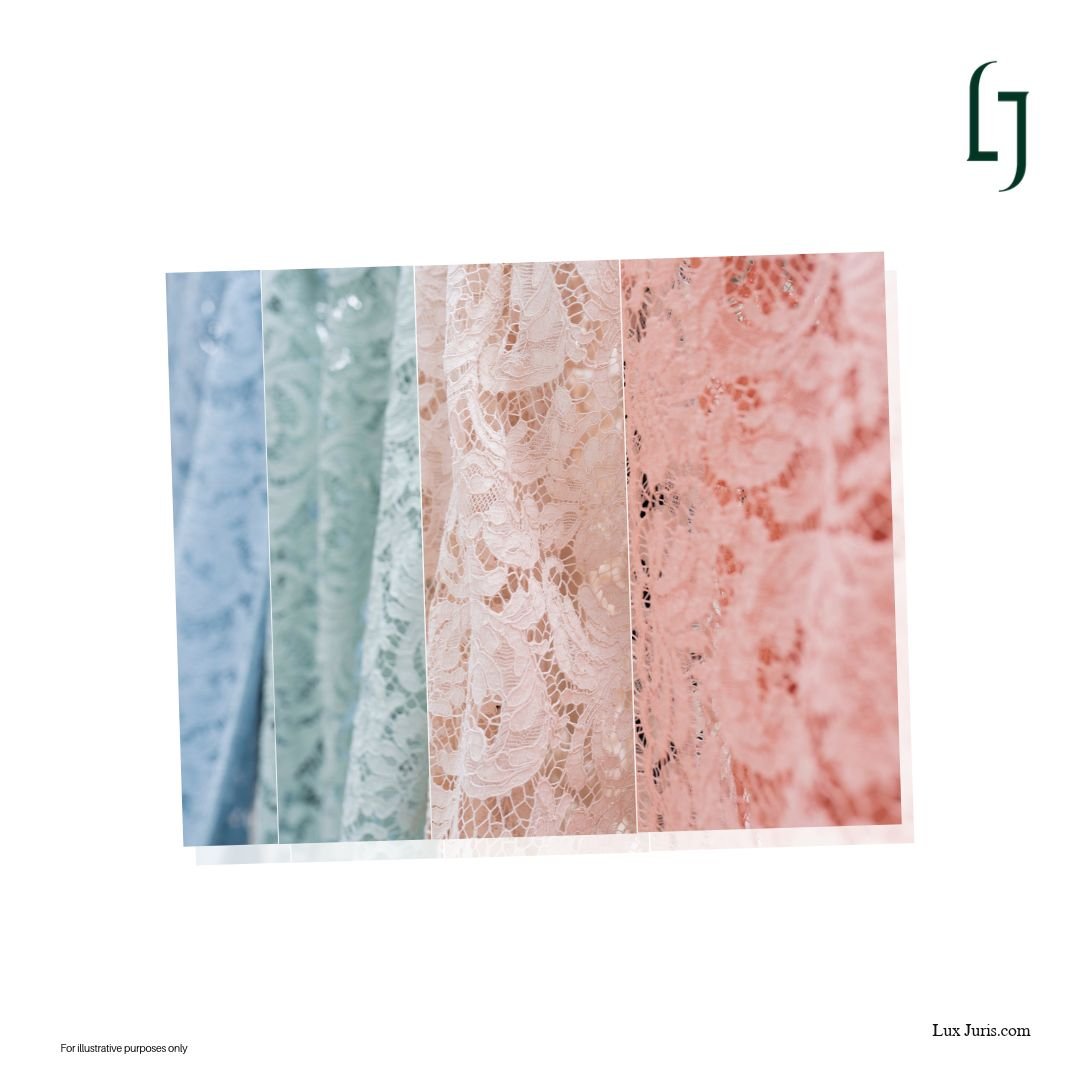
Flowers and leaves are familiar elements in lace-making, and no designer can claim exclusive rights over them. However, a floral lace design may still receive copyright protection if the particular way these elements are drawn, combined and arranged reflects original creative choices. On 24 September 2026, the Paris Judicial Court found that Swedish fashion retailer…
-
Chanel vs Chaos Perfumes: Can a perfume bottle’s shape be protected as a trade mark?
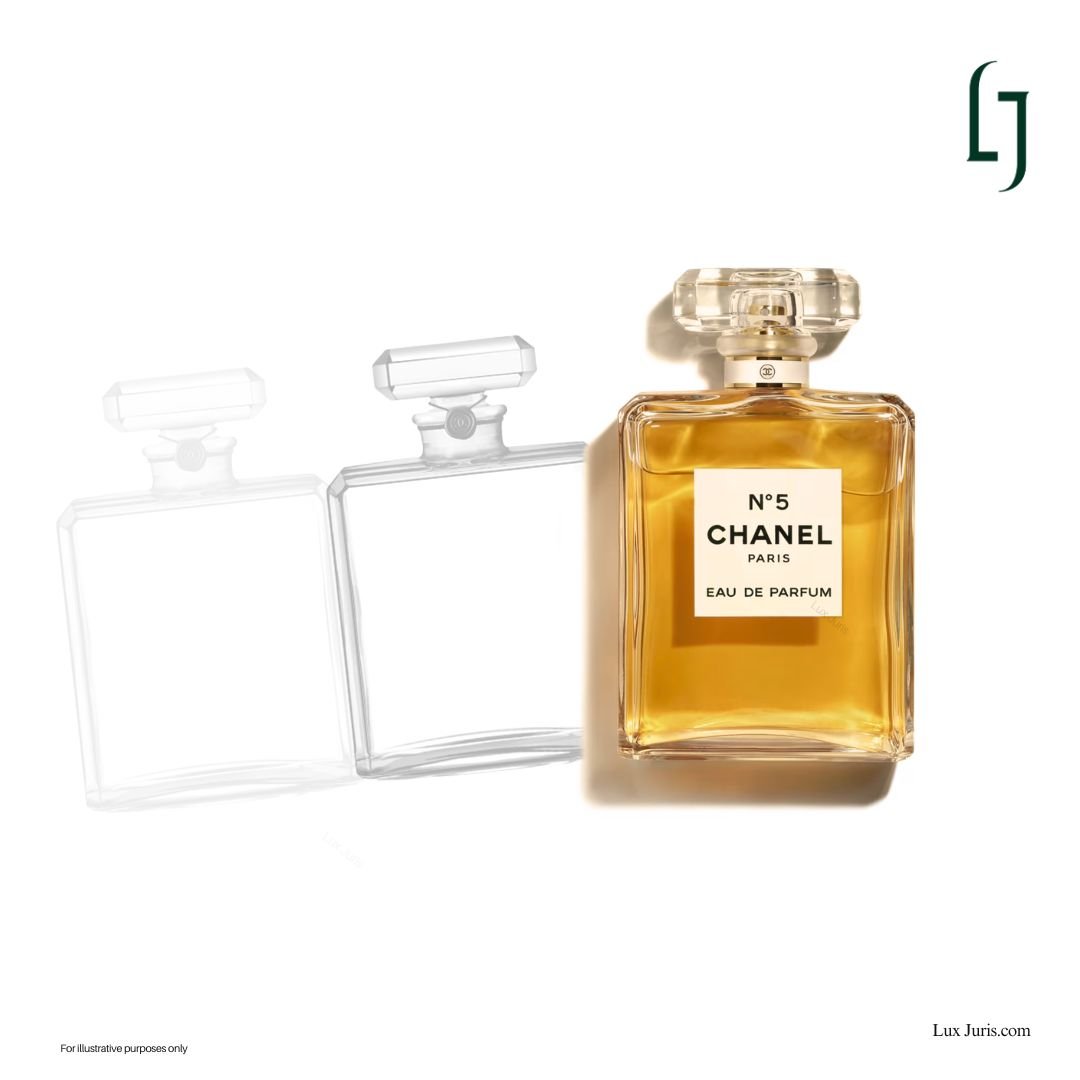
The EUIPO upheld Chanel’s opposition to a perfume bottle trade mark filed by Chaos Perfumes. Although it found only a low degree of similarity between the designs, it concluded that the later mark would take unfair advantage of the reputation of Chanel’s bottle shape. On 9 October 2026, the Opposition Division of the European Union…
-
CHANEL N°5 vs MATCH NUMBER 5: When Does a Number Become a Trade Mark Problem?
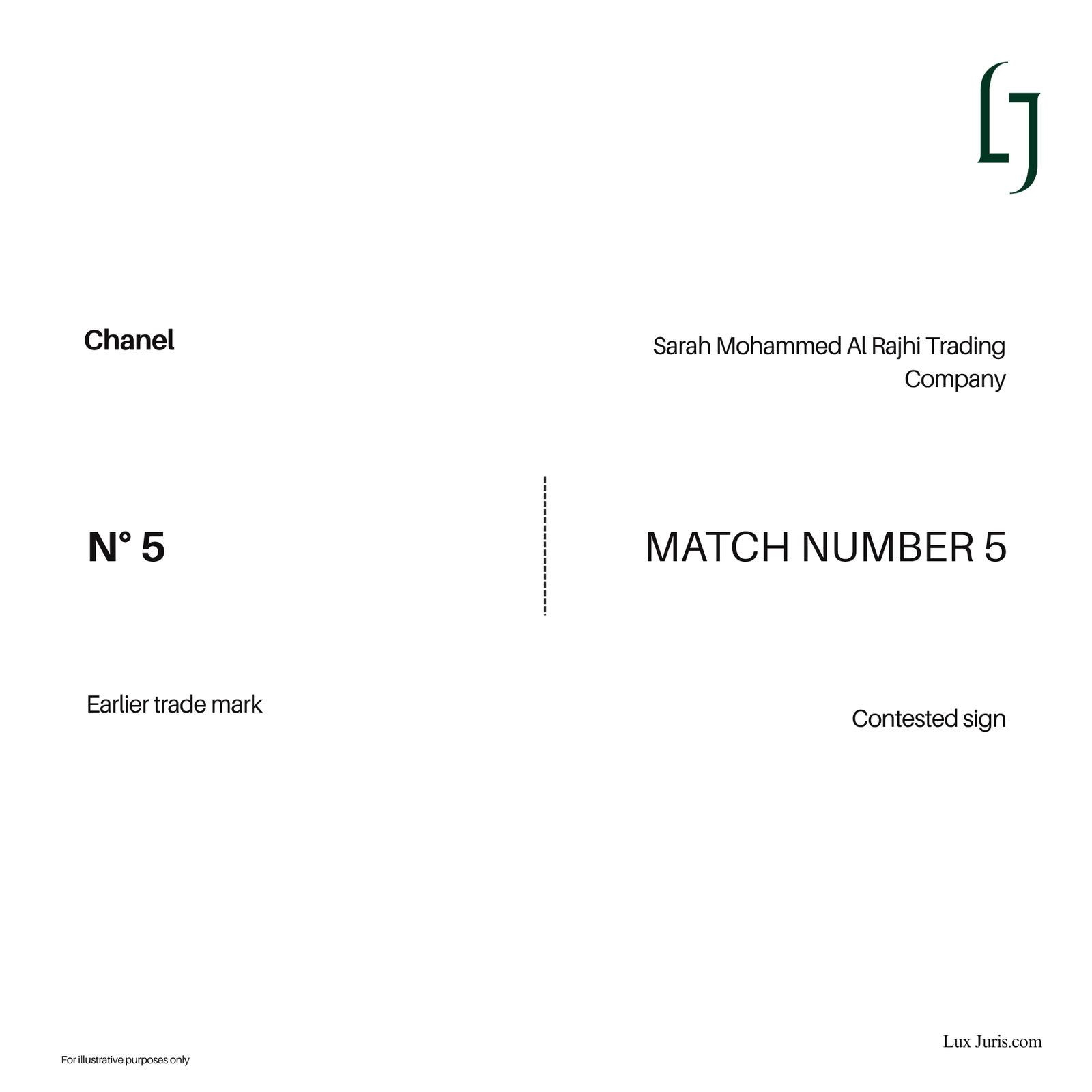
The EUIPO rejected MATCH NUMBER 5 for perfumes, cosmetics and related Class 3 goods after finding that consumers in France would connect it with CHANEL’s N°5. The decision is particularly interesting because the signs were only weakly similar visually and aurally, yet the opposition succeeded on reputation and unfair advantage. Some trade mark disputes turn…
-
Birkenstock vs Lidl: Copyright and Sandal Design
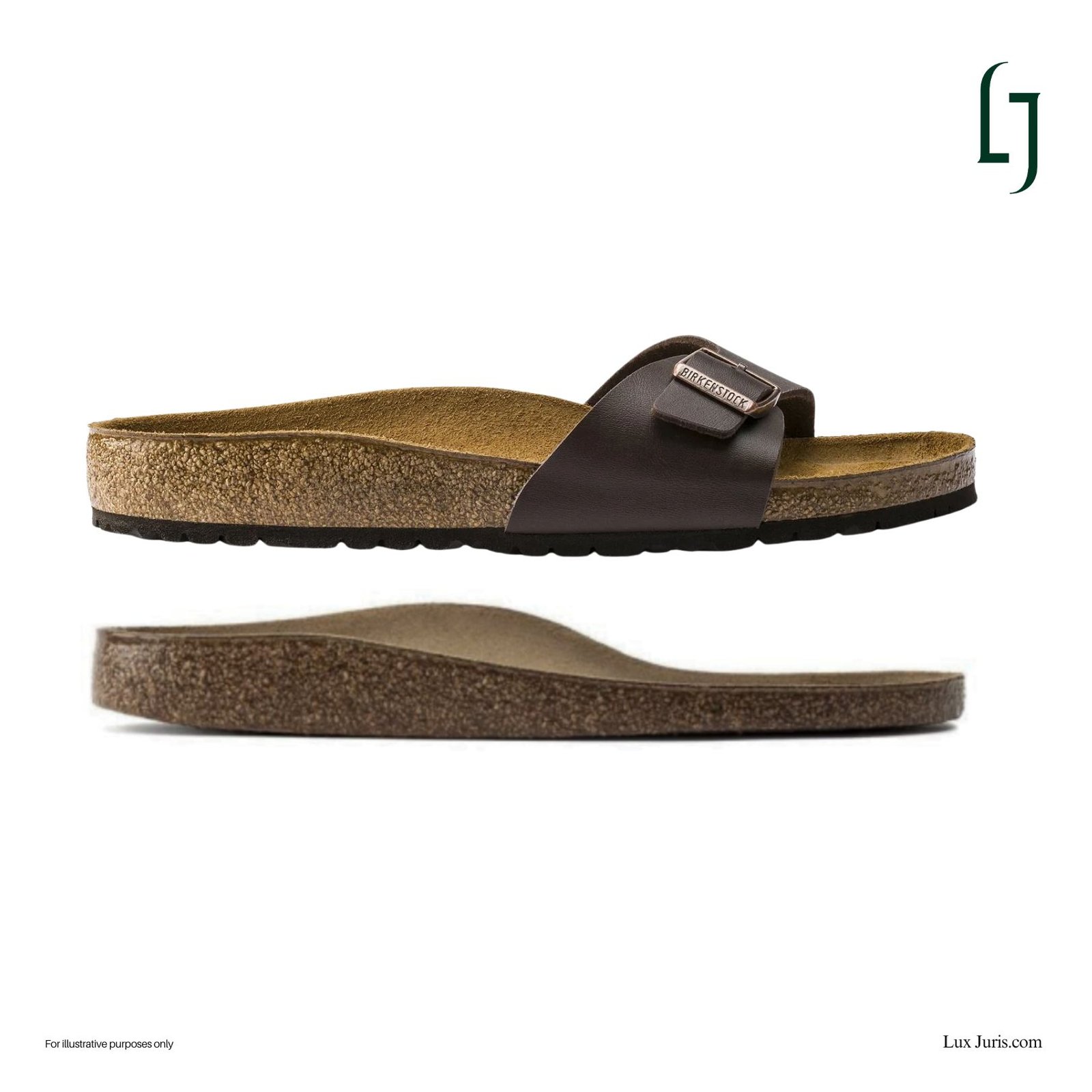
A single protected feature can support a copyright claim against several lookalike products. In Birkenstock v. Lidl, a Dutch court found that five Lidl sandal models had reproduced the same protected feature of Birkenstock’s lower part. On 23 September 2026, the District Court of Gelderland ruled on a dispute over Lidl sandals resembling Birkenstock’s Madrid,…
-
Louis Vuitton vs Kamad Reworked: when upcycling becomes a trade mark problem
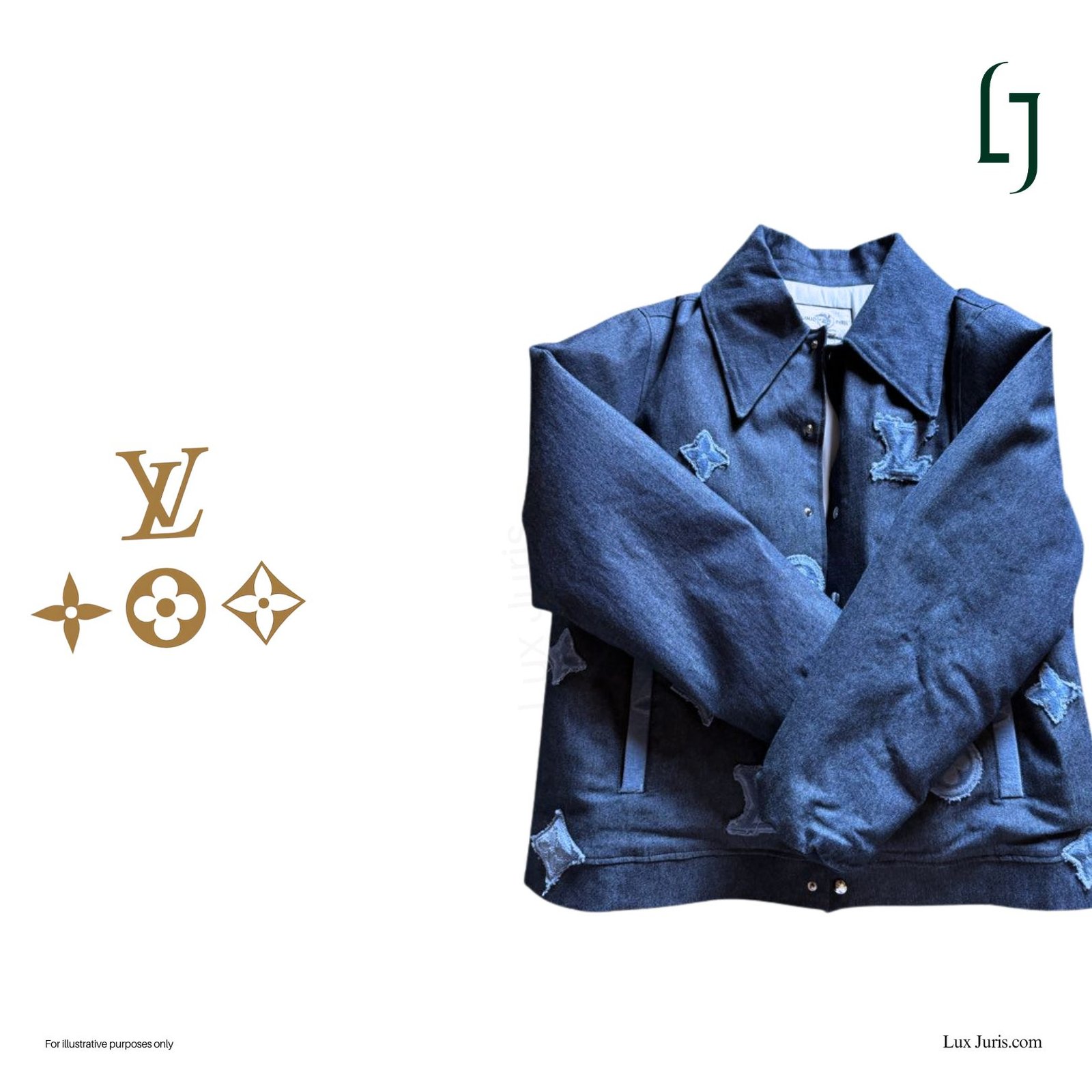
Commercial upcycling is creating a growing legal tension in luxury. A genuine product may be lawfully bought and altered, but that does not necessarily settle what can be done with the trade marks carried on it. That issue was central to Louis Vuitton’s case against Kamad Reworked. On 17 September 2026, the Paris Judicial Court…
-
Birkenstock vs White Mountain: when can a brand wait before suing over a dupe?
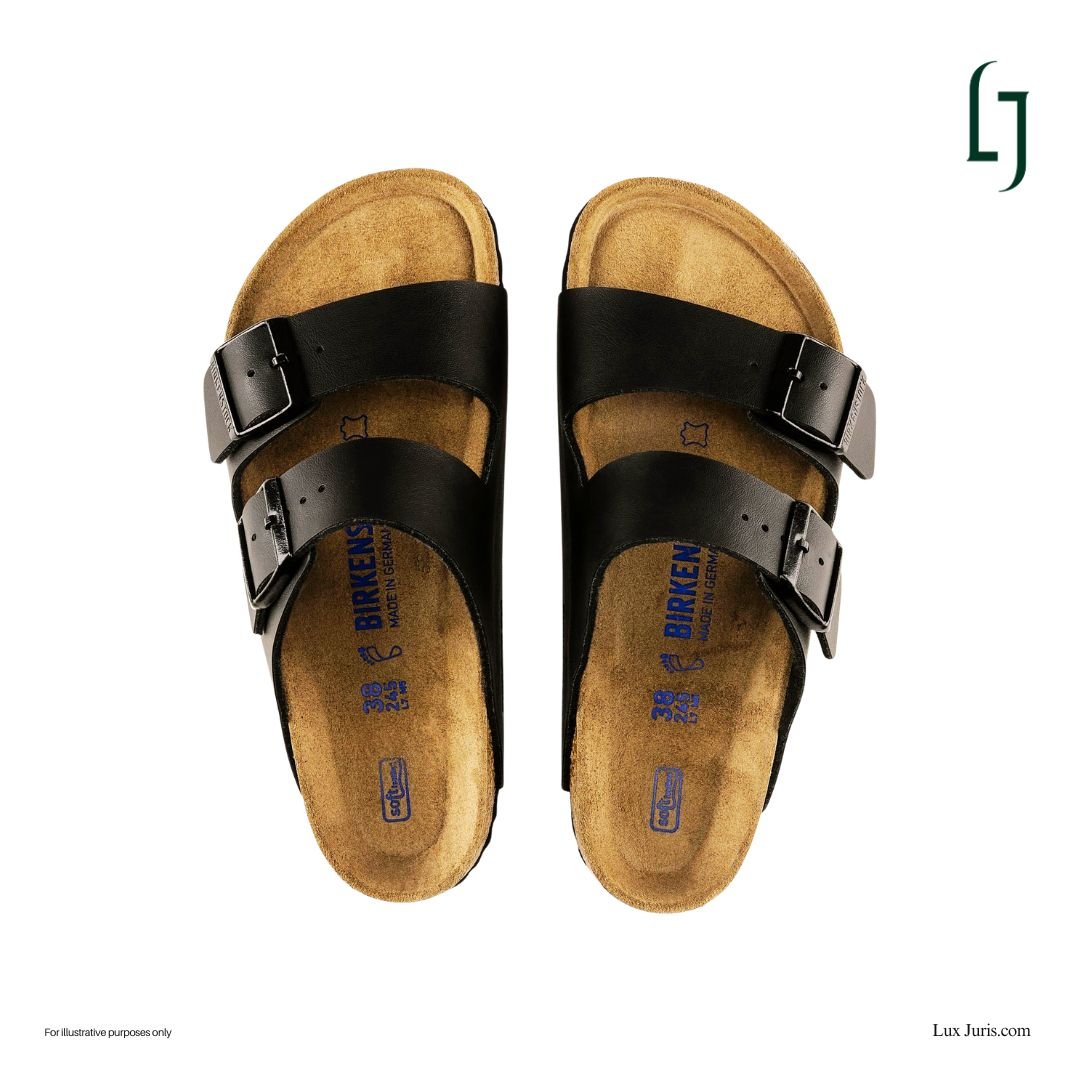
A brand does not always sue as soon as it becomes aware of a competing lookalike. The accused product may initially sell in relatively small numbers, occupy a limited competitive position or simply not justify the cost of litigation. That calculation can change, however, if the same product later reaches more consumers, moves into new…
-
When the trade mark is not on the dupe, but in the route to it
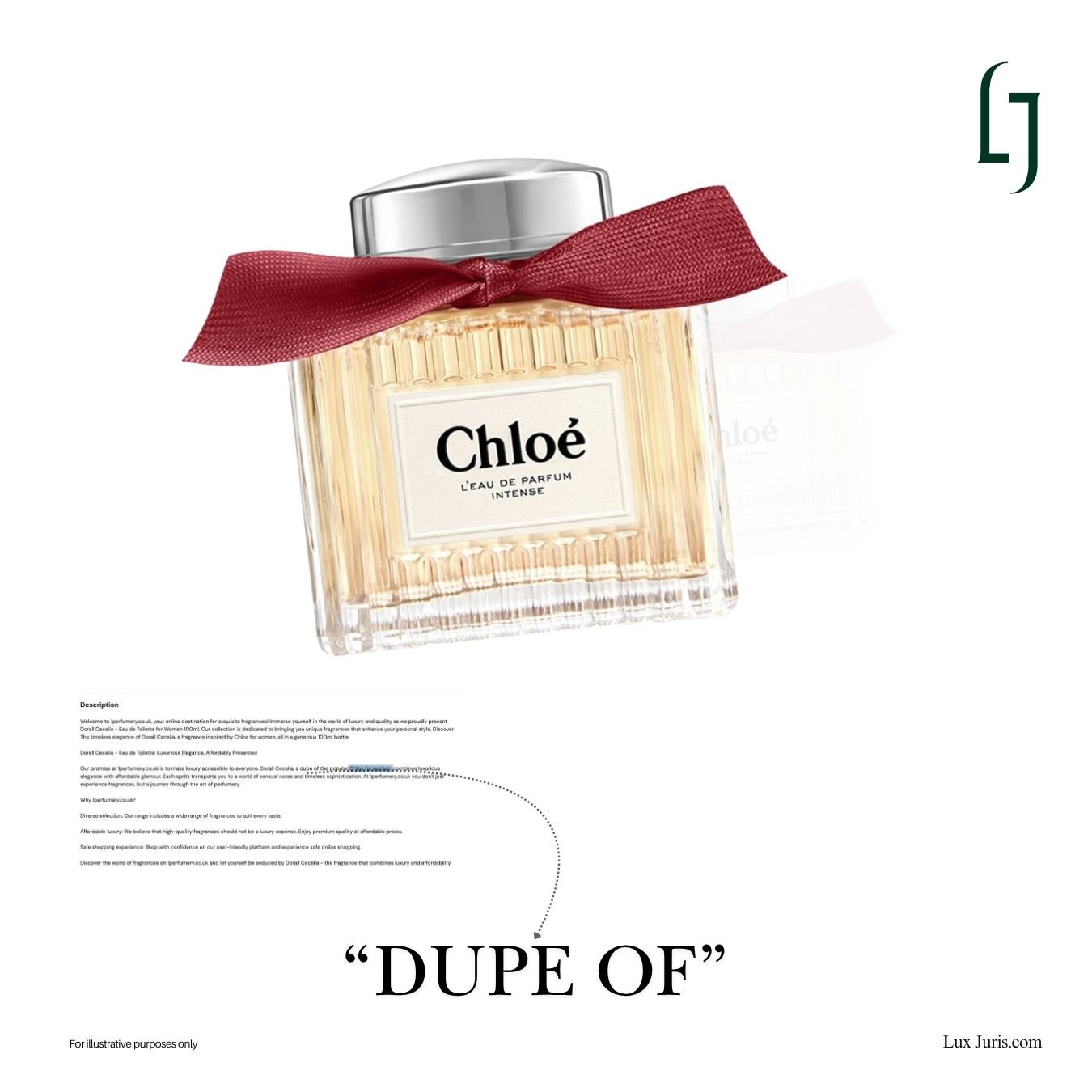
A perfume dupe does not need to carry the original brand’s trade mark on its bottle or packaging for trade mark issues to arise. A recent decision from the District Court of The Hague shows why the legal analysis may extend beyond the physical product to the way that product is offered, searched for and…
-
Luxury beyond resale: upcycling, transformation and the trademark question
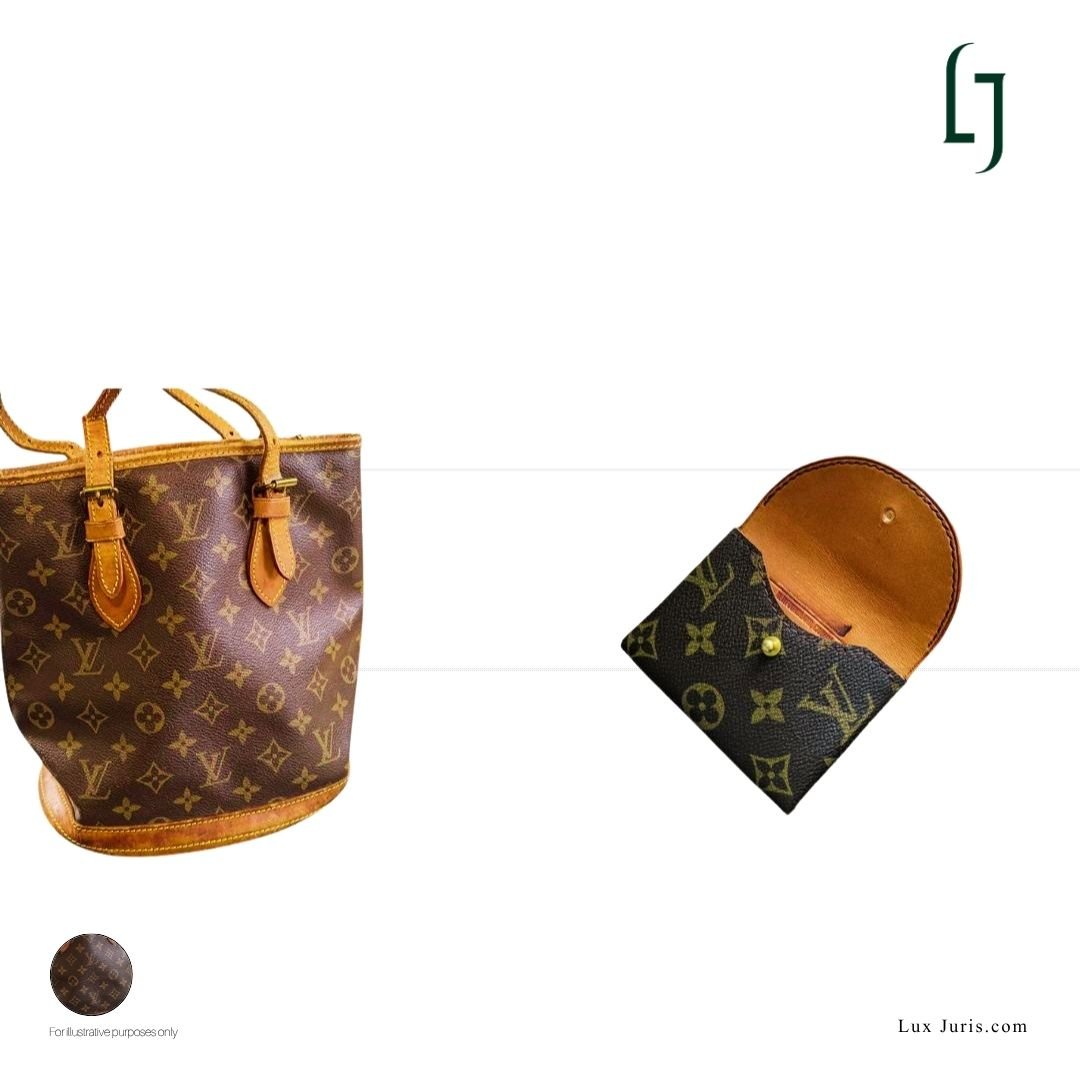
Luxury upcycling can describe different businesses. A customer can take a bag, piece of jewellery or another luxury object they already own to an atelier, ask for it to be transformed, and receive it back in another form. An upcycler can also source luxury objects or components, use them to create new pieces and offer…
-
Protecting the Trademark and Protecting the Brand Are Not the Same
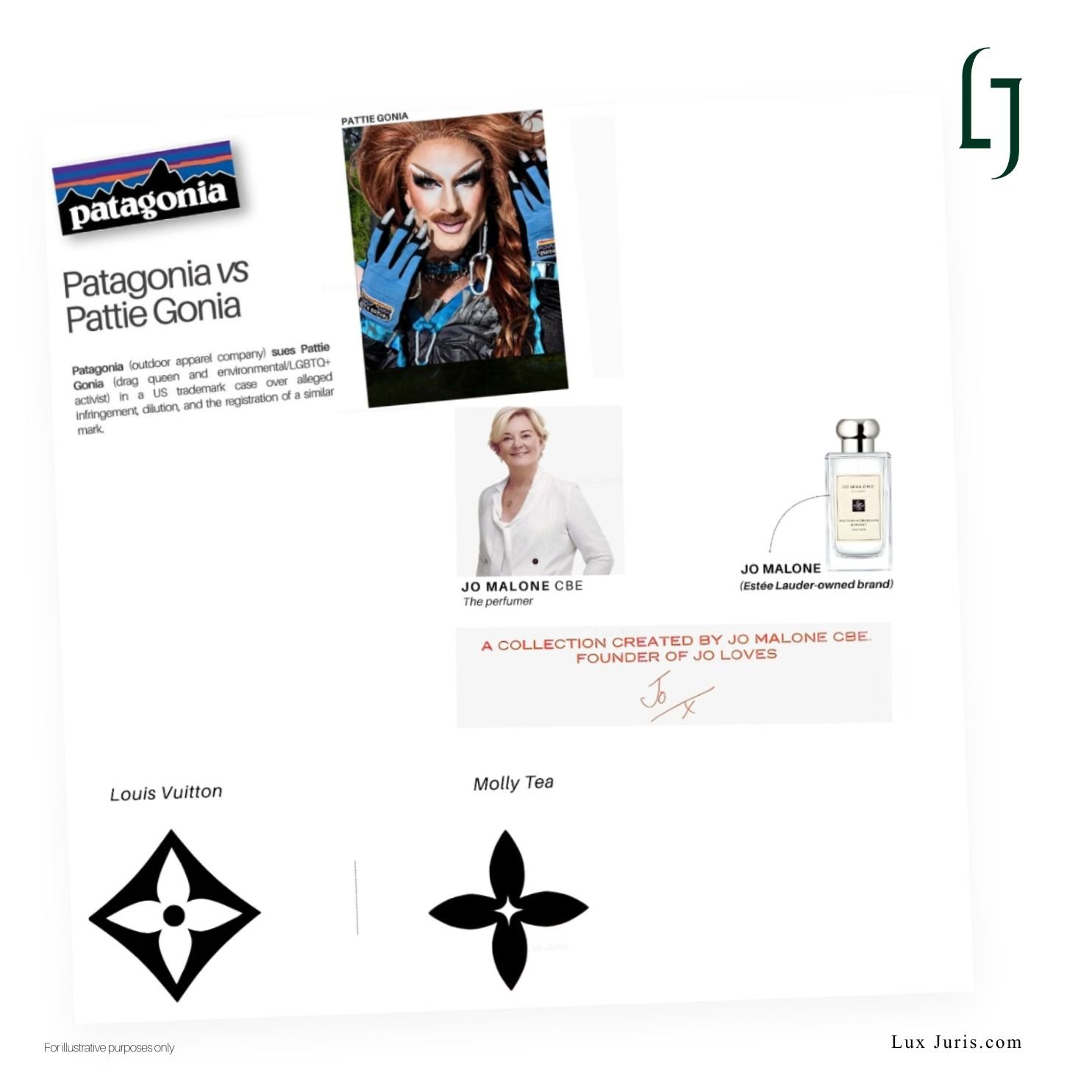
A rights holder may have registered trademarks, substantial goodwill and a credible basis for enforcement. Another sign may be similar, used commercially in a related space or capable of suggesting a connection that does not exist. The legal position may therefore be strong, yet the dispute itself can still damage the brand that enforcement was…
-
ZARA vs ZORA: When Reputation Is Enough
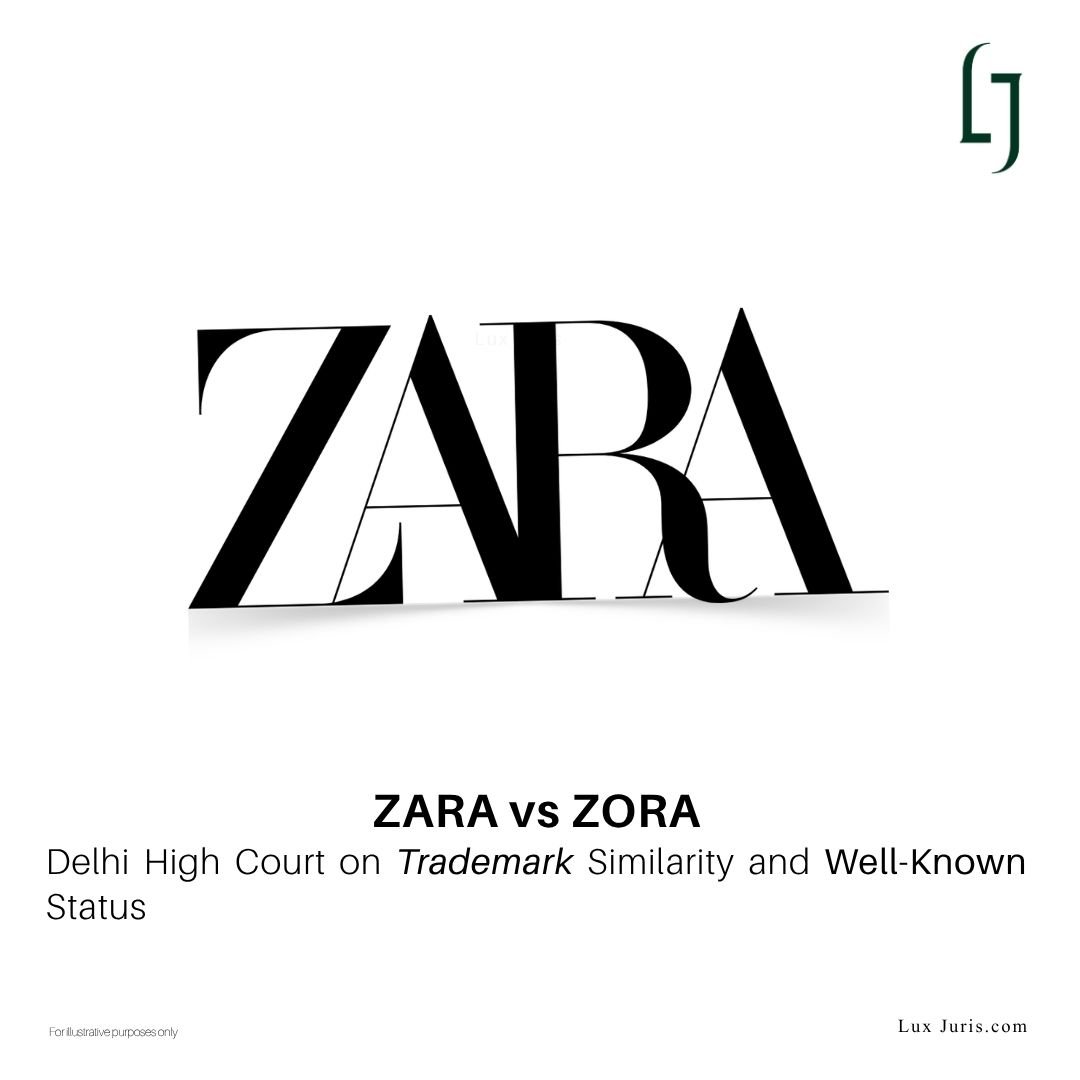
Comparing two trademarks often begins with the point at which they differ. A changed letter, a different ending or an altered pronunciation can create the impression that two marks are sufficiently distinct to coexist. That instinct is understandable, but it is not the test prescribed by trademark law. In Industria de Diseño Textil S.A. v.…
-
Coty vs Petite Mort: When “Inspired By” Becomes Trade Mark Infringement
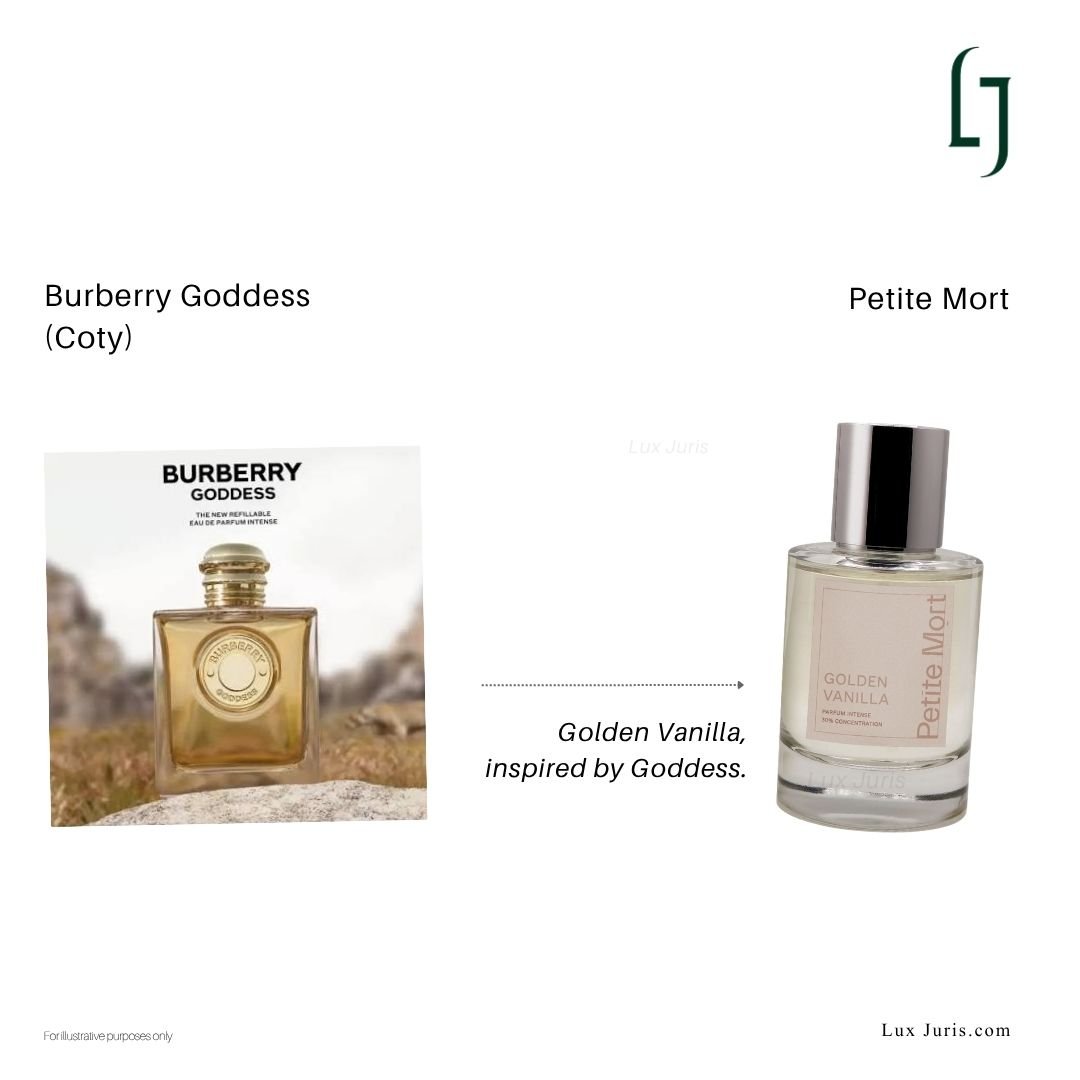
Dupe culture has trained an entire generation of sellers and shoppers to believe a simple rule. If you avoid fake packaging, avoid placing a luxury logo on your own product, and describe what you sell as “inspired by” a famous brand, you are on safe legal ground. The logic feels intuitive. A seller who is…
-
Hermès vs Le Bidon Français: Can Artistic Expression Justify Trademark Use?
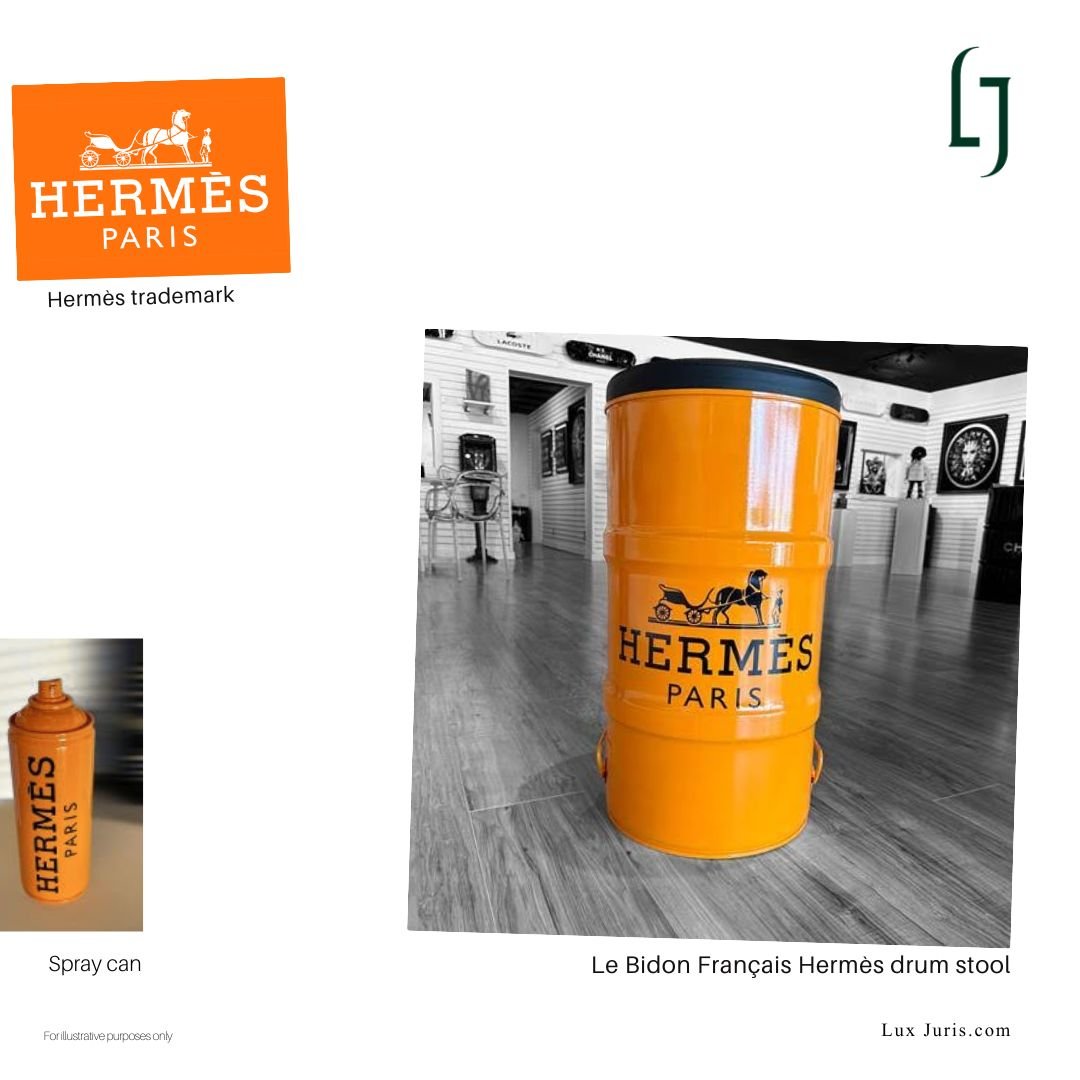
Luxury trademarks today operate far beyond their traditional role as indicators of origin. For houses like Hermès, trademarks are not merely legal assets attached to products. They have become powerful cultural symbols that communicate prestige, exclusivity and identity. As these symbols increasingly appear in artworks, decorative objects and other creative commercial projects, the legal boundary…