-
ZARA vs ZORA: When Reputation Is Enough

Comparing two trademarks often begins with the point at which they differ. A changed letter, a different ending or an altered pronunciation can create the impression that two marks are sufficiently distinct to coexist. That instinct is understandable, but it is not the test prescribed by trademark law. In Industria de Diseño Textil S.A. v.…
-
Coty vs Petite Mort: When “Inspired By” Becomes Trade Mark Infringement

Dupe culture has trained an entire generation of sellers and shoppers to believe a simple rule. If you avoid fake packaging, avoid placing a luxury logo on your own product, and describe what you sell as “inspired by” a famous brand, you are on safe legal ground. The logic feels intuitive. A seller who is…
-
Hermès vs Le Bidon Français: Can Artistic Expression Justify Trademark Use?
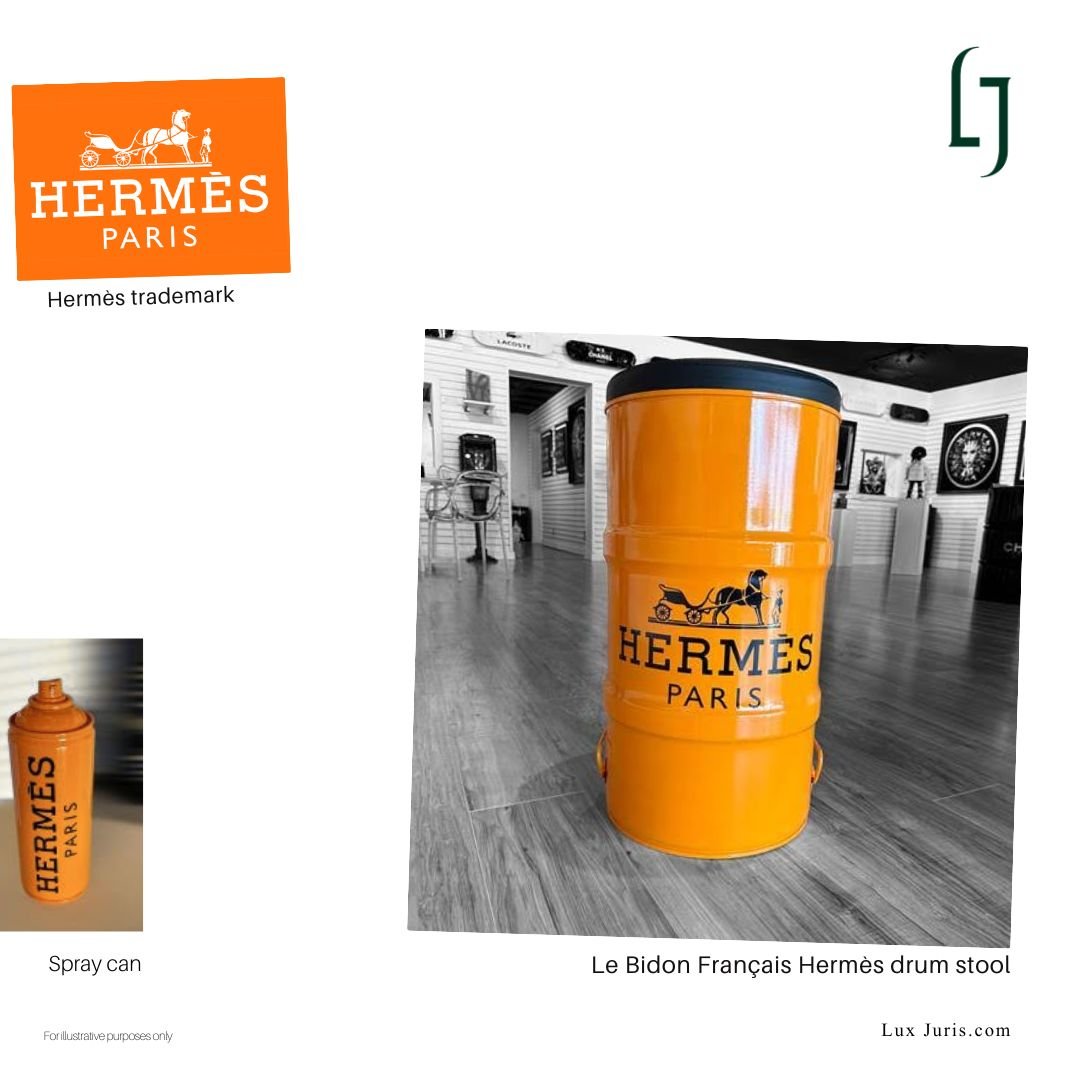
Luxury trademarks today operate far beyond their traditional role as indicators of origin. For houses like Hermès, trademarks are not merely legal assets attached to products. They have become powerful cultural symbols that communicate prestige, exclusivity and identity. As these symbols increasingly appear in artworks, decorative objects and other creative commercial projects, the legal boundary…
-
Hermès vs Mini Nana: When Removing the Logo Is Not Enough
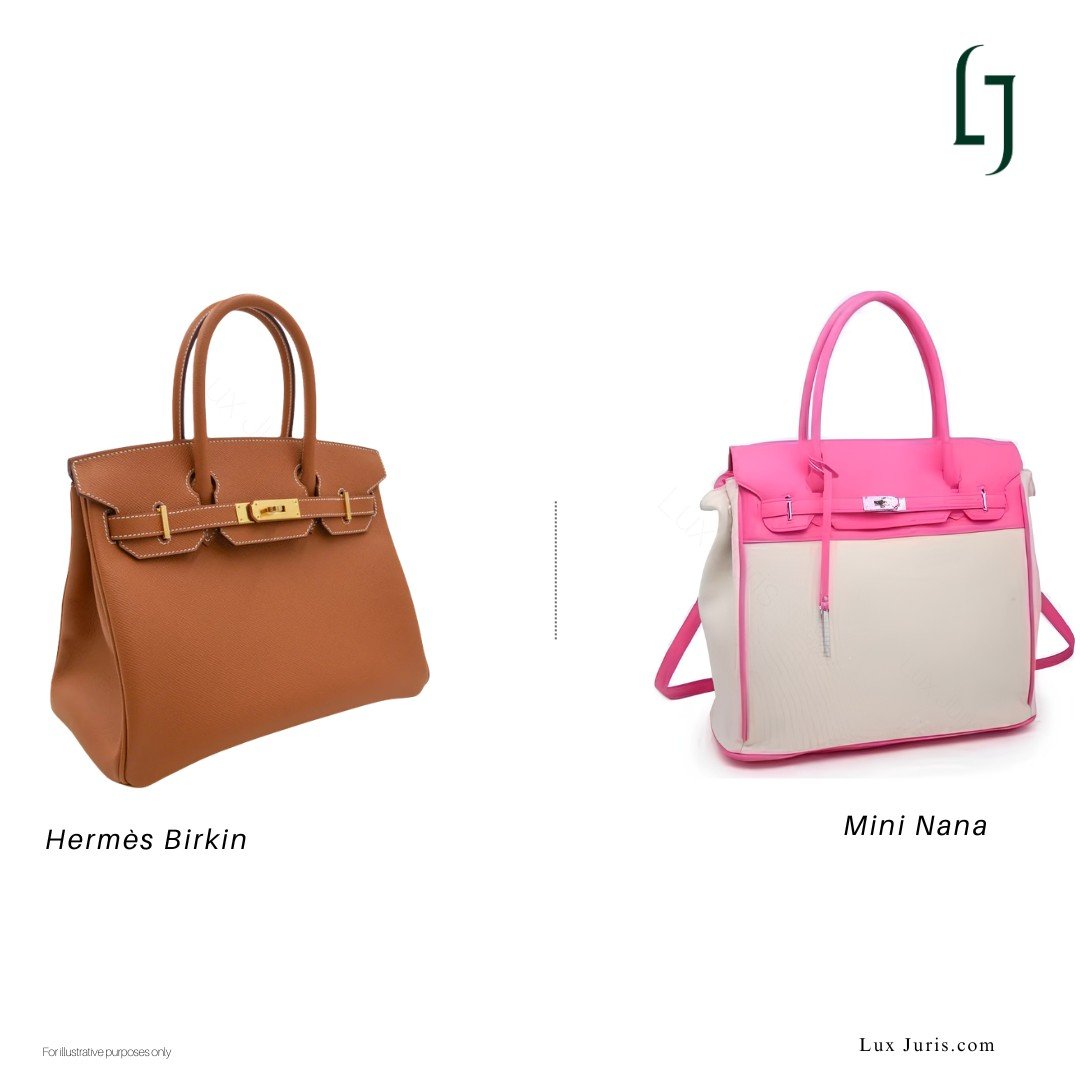
The absence of a logo is often seen as the difference between a counterfeit and a dupe. If a bag is sold without the Hermès name, many assume the legal risk drops significantly. A recent French decision shows why that assumption can be dangerous. In Hermès vs Mini Nana, the Marseille Judicial Court found that…
-
Chanel vs Kamad Reworked: When Does Upcycling Become Trademark Infringement?
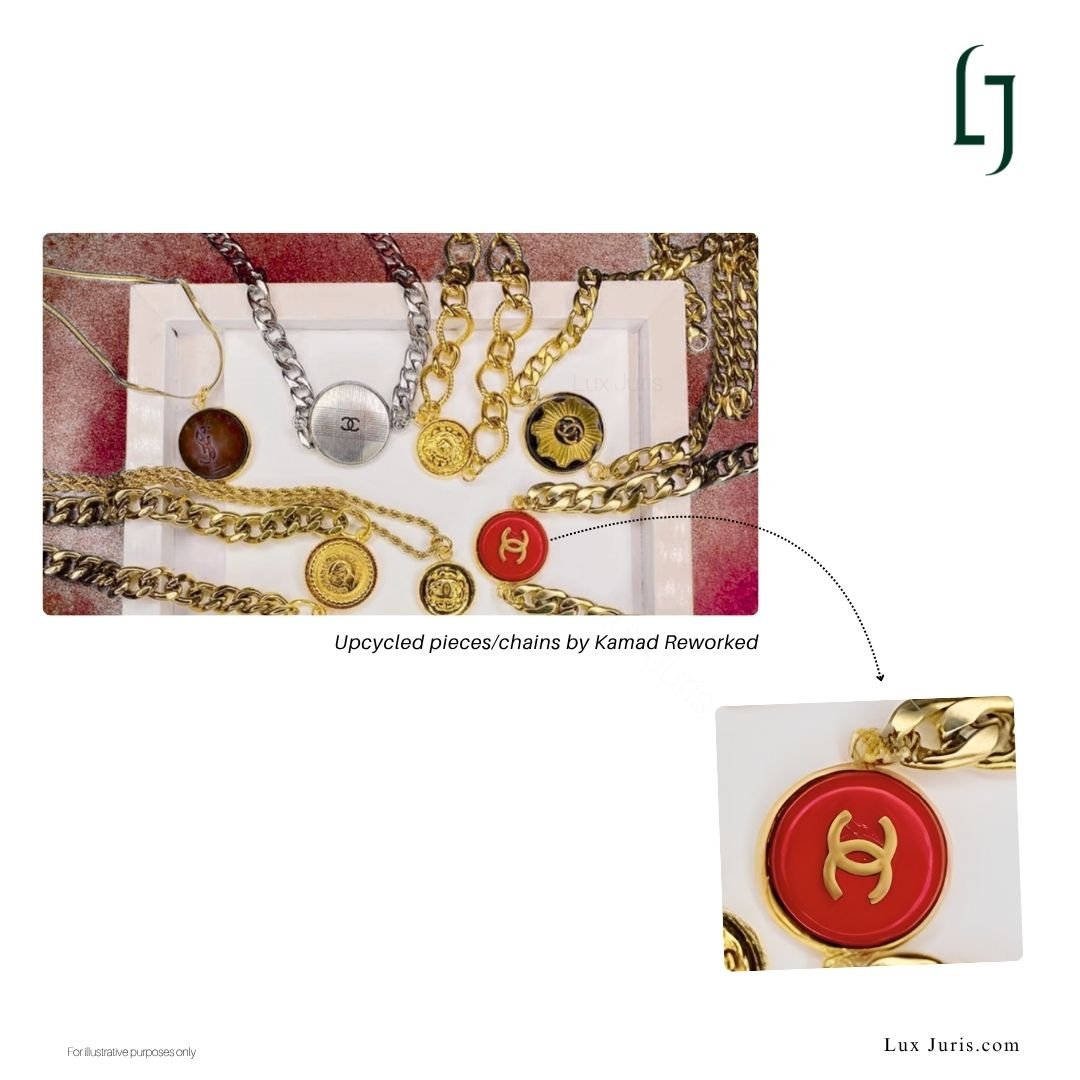
Luxury upcycling has become one of fashion’s most popular sustainability narratives. Designers purchase luxury products, dismantle them, and transform their components into new jewellery, accessories, jackets, and other creations. The process is often presented as a way of extending the life of existing products while reducing waste. Yet behind the environmental messaging lies a more…
-
When a Name Feels Too Familiar: Trade Mark Risk in the European Market
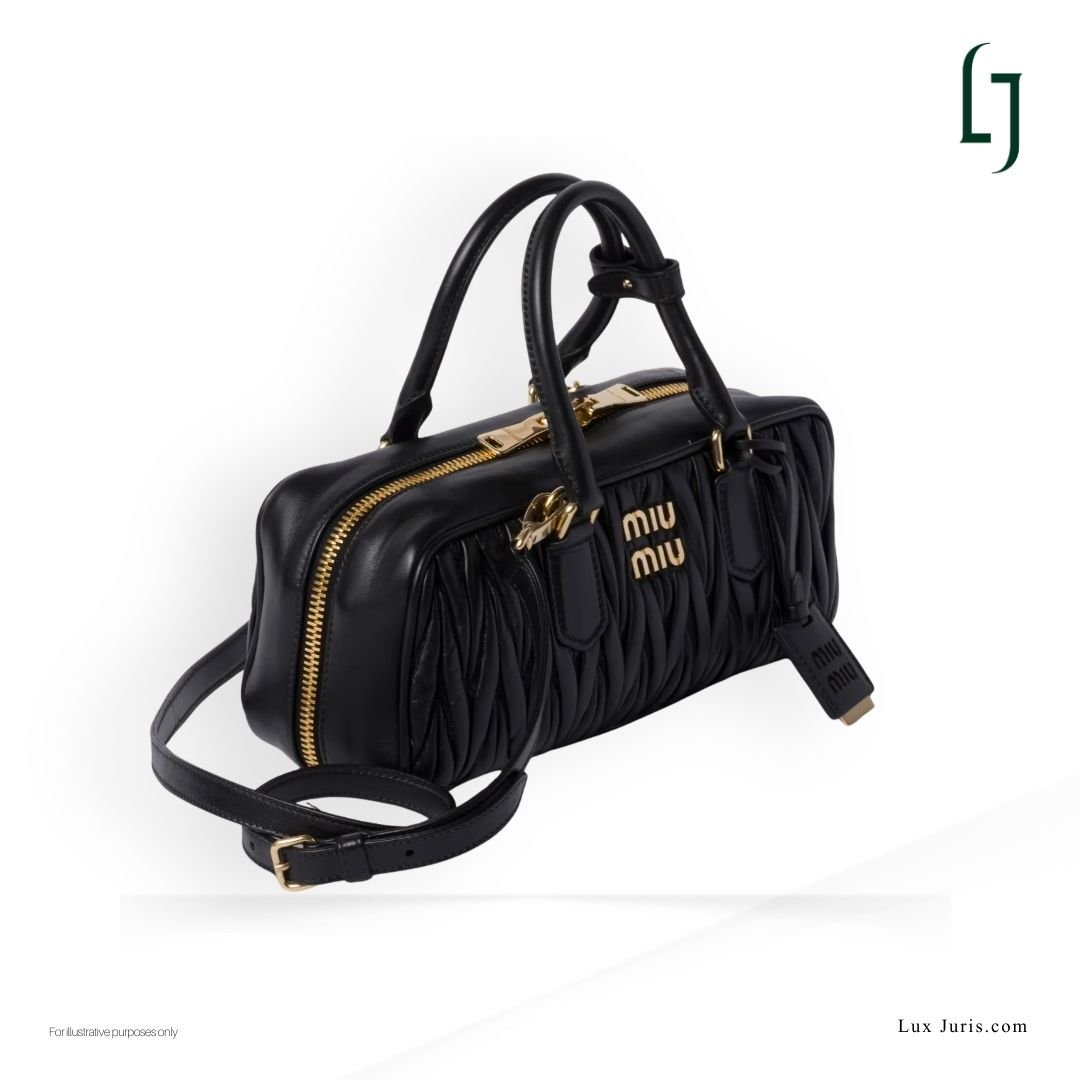
How different does a brand name really need to be? Many businesses entering the European market assume that small changes in a name, a different spelling, or a slightly adjusted structure will be enough to avoid trade mark issues. In practice, EU trade mark law does not operate at that level of surface difference. To…
-
How Singapore Now Calculates Counterfeit Trademark Damages: The Louis Vuitton S$510,000 Ruling
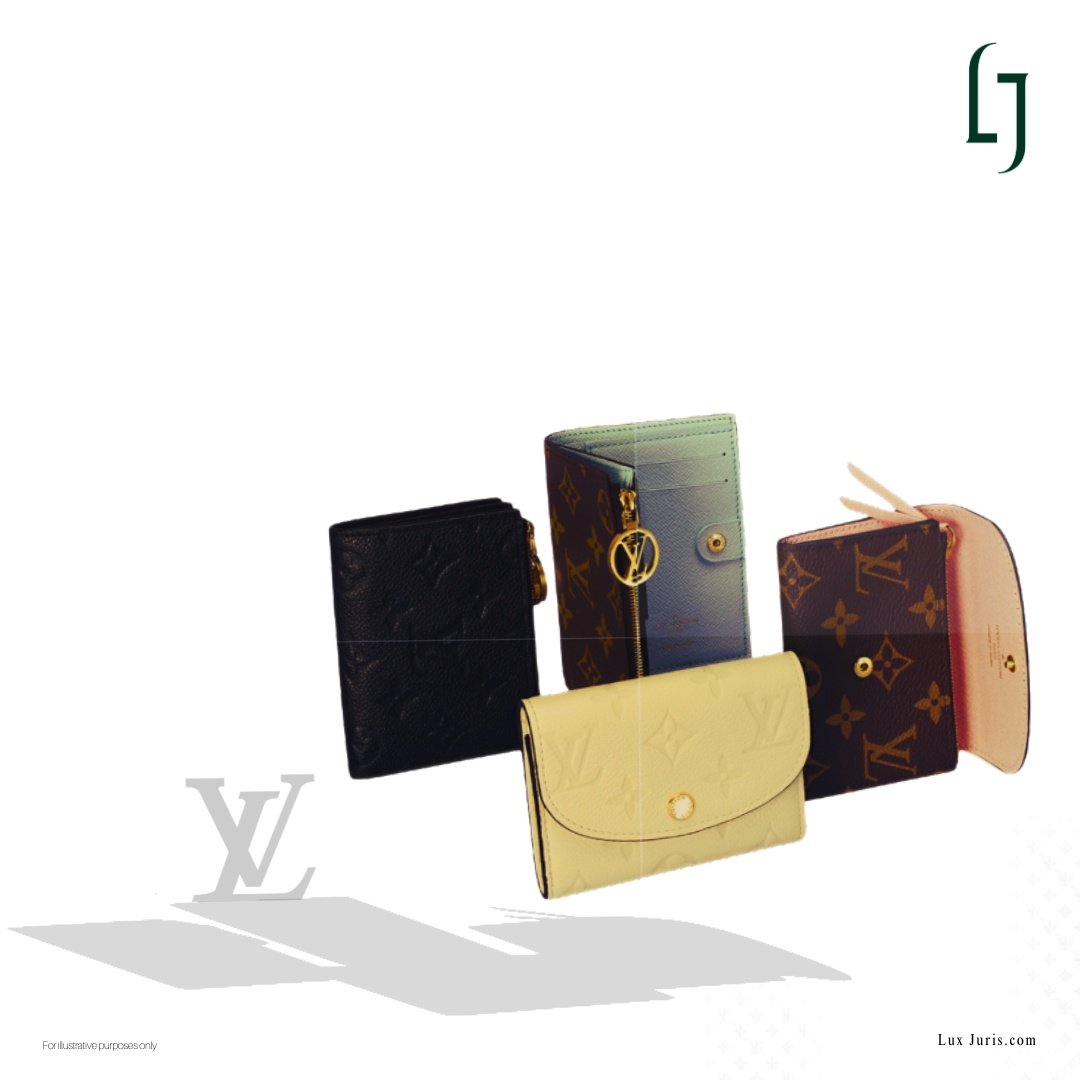
The counterfeit economy no longer operates only through obvious fake handbags sold in hidden markets. Increasingly, it presents itself through the language of craftsmanship, sustainability, customisation, and upcycling. That shift is visible in the recent Singapore dispute involving Louis Vuitton. The trademarks being copied were not generic logos, but elements of Louis Vuitton’s iconic monogram…
-
Puma vs Sunday Red: Not Every Big Cat Is the Same
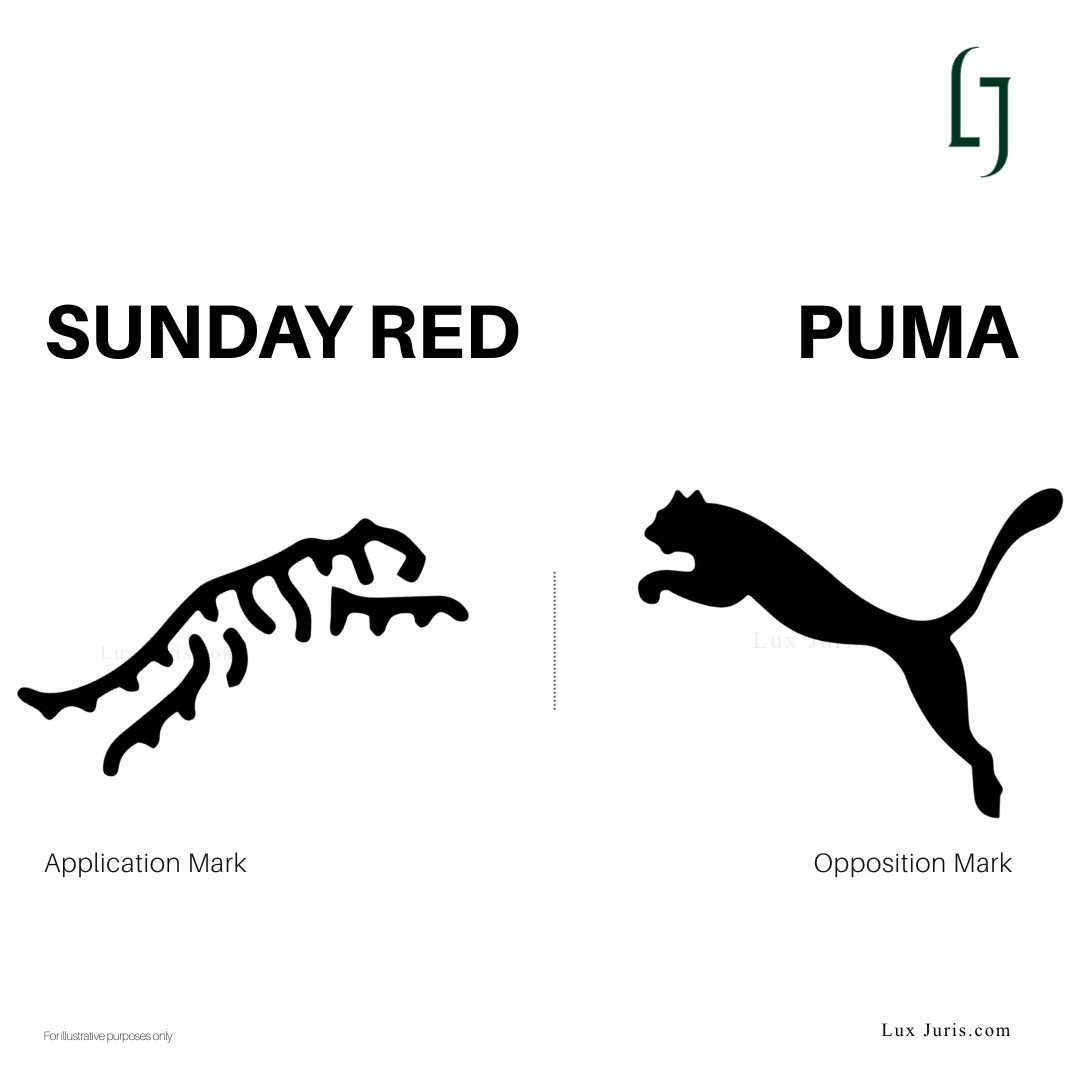
In January 2024, Sunday Red LLC, the golf and athleisure brand linked to Tiger Woods, applied to register a tiger device mark (a logo made up of an image rather than words) in Singapore. Puma opposed the application. The decision, issued on 13 March 2026 in Puma SE v Sunday Red, LLC [2026] SGIPOS 4,…
-
Birkenstock’s Copyright Divide: When the Same Sandal Wins in One Market and Loses in Another

Birkenstock’s Arizona, Madrid and Florida sandals are among the most recognisable footwear designs in Europe, yet in 2025, courts in two neighbouring EU Member States reached opposite conclusions on whether those same designs qualify for copyright protection, exposing how differently the same legal standard can operate across jurisdictions. In February 2025, Germany’s Federal Court of…