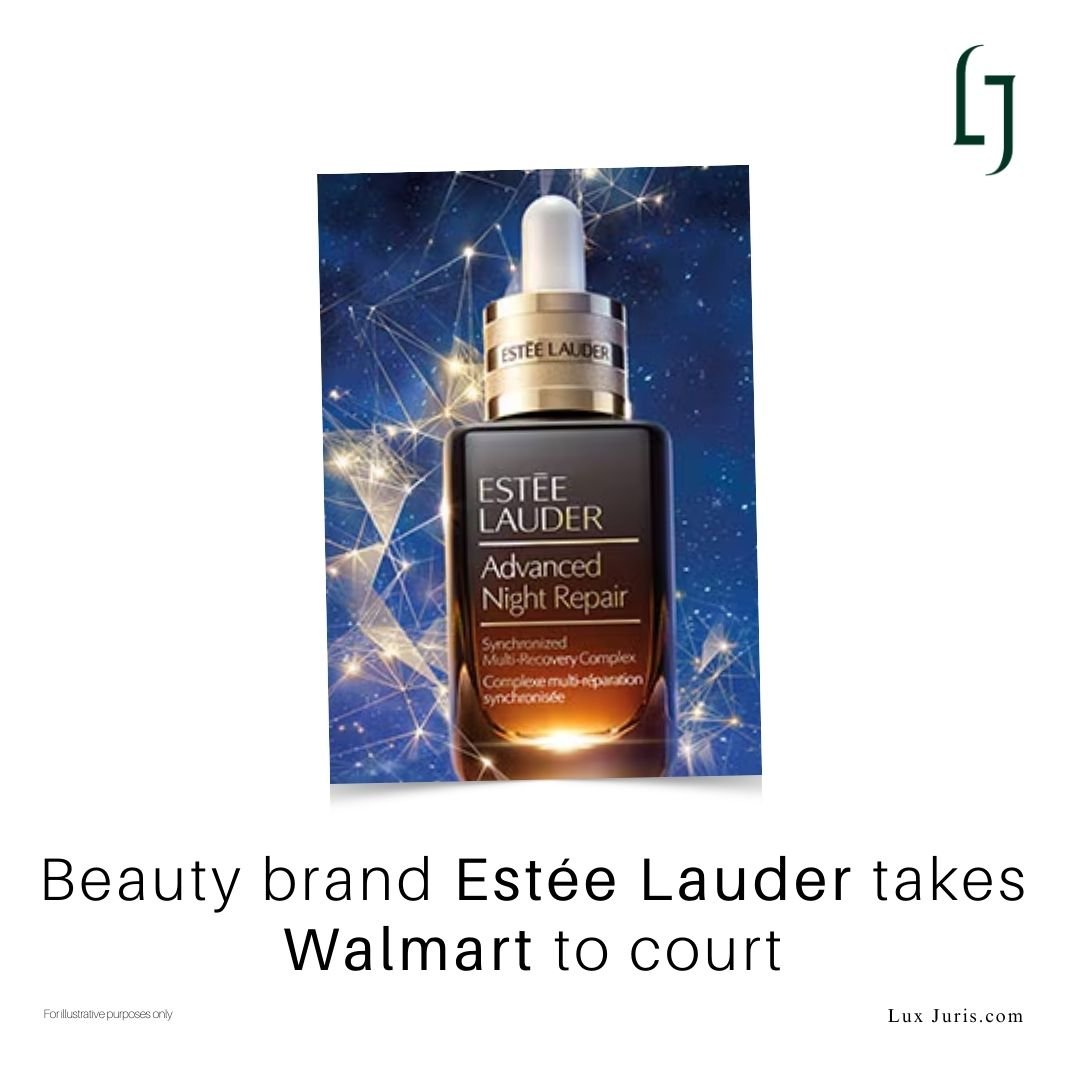
Counterfeit beauty products are no longer hidden in obscure corners of the internet. They now appear on large, well-known online marketplaces, displayed next to genuine products and processed through trusted checkout systems. At the same time, “dupes” have become part of mainstream consumer culture. Some imitate packaging, colour schemes or scent profiles without copying the exact brand name. Others, often called “superfakes”, attempt to copy both the trademark and the product quality in a way that is increasingly difficult for consumers to detect.
This commercial reality forms the backdrop to Estée Lauder, Inc. et al. v. Walmart, Inc. et al., a case before the United States District Court for the Central District of California. The dispute is not simply about whether certain beauty products are counterfeit. It is about the legal responsibility of a major online marketplace when those products are sold through its platform.
The Brands and the Platform
The plaintiffs include some of the most recognisable names in prestige beauty: Estée Lauder, Le Labo Holding LLC, La Mer Technology, Inc., Clinique Laboratories, LLC, Aveda Corporation and Tom Ford. Each company relies on registered trademarks that have been used for many years and are widely recognised by consumers. The complaint highlights the scale of the portfolio and the global sales figures to emphasise the strength and reputation of the brands.
The defendant is Walmart, which operates one of the largest retail and e-commerce platforms in the United States. The case focuses on products allegedly sold through Walmart’s online marketplace that bear marks identical or very similar to those owned by the plaintiffs.
According to the complaint, the plaintiffs purchased certain products from the platform and confirmed that they were not genuine. This detail is important. If a product is not authentic, the usual defence that a reseller is simply selling genuine goods, known as the first sale doctrine, does not apply.
The Core Legal Claims
The lawsuit includes claims for trademark infringement, false designation of origin, trade dress infringement and unfair competition. It also includes a claim for vicarious trademark infringement, which is directed at situations where a party benefits from and has control over another’s infringing activity.
The plaintiffs argue that Walmart is not merely a passive host for third-party sellers. They point to the way the platform operates. Listings appear on Walmart’s website alongside products sold directly by Walmart. Consumers use Walmart’s checkout system, payments are processed through Walmart, and returns can often be handled through Walmart’s customer service, including in-store returns. The complaint also alleges that Walmart selects and reviews marketplace sellers and earns revenue from their sales.
In support of this argument, the plaintiffs refer to Vans, Inc. v. Walmart Inc., where a court found that a reasonable consumer could believe that Walmart itself was the seller of certain infringing goods offered on its platform. By relying on that case, the plaintiffs suggest that the structure and presentation of the website can influence whether liability attaches to the platform itself.
The central legal question is therefore whether Walmart’s level of involvement in the transaction is enough to treat it as using the trademarks in commerce, rather than simply providing space for third-party sellers.
The Tom Ford Private Blend Trade Dress
One of the more detailed claims concerns the Private Blend fragrance collection of Tom Ford. The complaint describes the bottle design in specific terms, including its rectangular shape, flared neck, square cap and consistent colour scheme. It argues that the overall look of the bottle has become closely associated with the Tom Ford brand and functions as a source identifier.
Trade dress law protects the overall appearance of a product when that appearance is distinctive and not purely functional. The plaintiffs argue that the combination of features in the Private Blend bottles is not required for the product to function and has gained recognition through advertising and sales. They allege that certain products sold on the marketplace copied this overall look.
If the court accepts that the bottle design has acquired distinctiveness and that the copied products create a likelihood of confusion, the claim could succeed even if the exact TOM FORD name is not used.
Search Terms and Consumer Confusion
The complaint also alleges that the plaintiffs’ trademarks were used in search optimisation tools to drive traffic to the accused products. This raises the issue of initial interest confusion. Even if a consumer eventually realises that a product is not genuine, the diversion of attention through the use of a protected mark can still form the basis of infringement.
For prestige brands that carefully manage distribution channels, such diversion may affect brand image and consumer trust.
Counterfeit, Superfakes and Dupes
This case sits within a wider discussion about how the law treats imitation. Counterfeit goods copy protected trademarks and present themselves as genuine products. Dupes, by contrast, may imitate style or concept while stopping short of reproducing registered marks.
The legal position is clearest in relation to counterfeit and superfakes that use identical or confusingly similar marks. Dupes are more complex. If they copy protected trade dress or create a likelihood of confusion about origin, they may still infringe. If they simply take inspiration without causing confusion, they may fall within lawful competition.
The complaint in this case frames the products as non-genuine goods bearing identical or confusingly similar marks. It therefore places the dispute firmly within the core of trademark infringement law.
What This Case Is About
At its heart, Estée Lauder Companies v. Walmart is about responsibility within online retail systems. The court will need to consider whether the way a marketplace operates, including how it presents listings and manages transactions, affects who is legally responsible when counterfeit goods are sold.
The outcome could influence how large platforms structure their seller vetting processes, how clearly they distinguish third-party sellers from their own retail operations, and how they respond to brand owner complaints. It may also clarify the circumstances in which a marketplace can be treated as more than a neutral intermediary.
Counterfeit and superfakes remain clear violations of trademark law. Dupes require careful legal analysis focused on confusion and distinctiveness. This case brings those issues together in the context of a major online platform and may shape how courts approach marketplace liability in the beauty and luxury sectors going forward.
Source: