Articles
-
Dunhill Prevails in Trademark Dispute Against Danhuoli in China

Dunhill has secured a decisive ruling in China against Danhuoli, a company found guilty of trademark infringement and unfair competition. The Foshan Intermediate People’s Court ordered Danhuoli to pay RMB 10 million (approximately $1.47 million USD) in damages. The ruling is a strong signal that China’s intellectual property enforcement is tightening, particularly for foreign luxury…
-
The Ritz-Carlton Fined $535,000 for Hazardous Waste Violations in California

Environmental regulations have long been non-negotiable, and luxury hotel brands are no exception. In 2022, The Ritz-Carlton Hotel Company, renowned for its high-end accommodations, faced a $535,000 civil penalty for mishandling hazardous waste across its eight California properties, including its Rancho Mirage location in Riverside County. Court Judgment Highlights Mismanagement A judgment issued by the…
-
Ferrari vs. Philipp Plein: The Price of Trademark Missteps

Ferrari has made its position unmistakable, its trademarks are not open to reinterpretation. A dispute involving Philipp Plein’s unauthorised use of Ferrari’s trademarks has led to significant penalties, drawing attention from the fashion and automotive industries. Rulings by Italian courts highlight the serious consequences of misusing trademarks, particularly those tied to luxury brands. The Instagram…
-
Piaget’s Timely Action: Securing the Brand One Domain at a Time
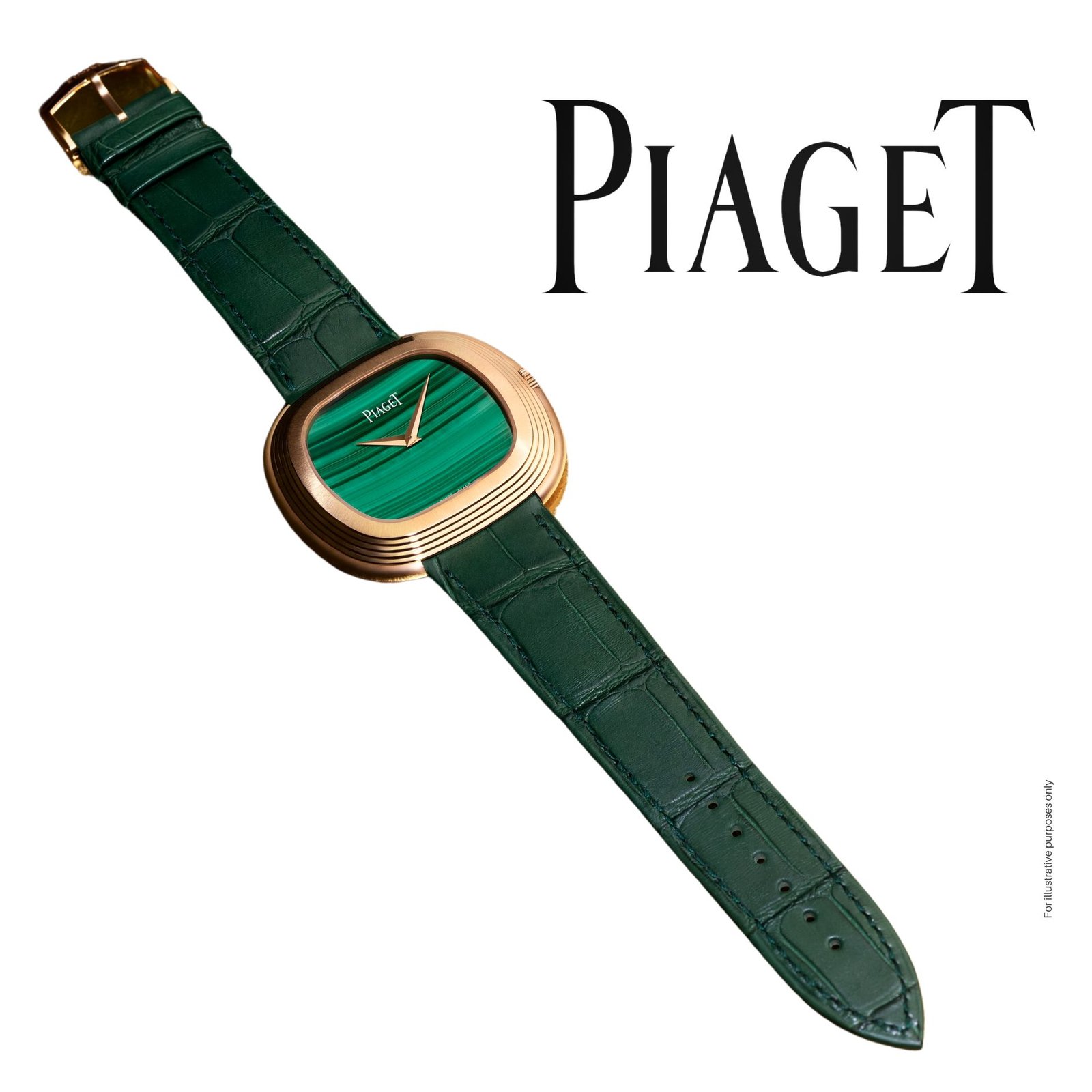
Piaget, the Swiss luxury brand renowned for its high-end watches and jewellery, faced a domain name dispute involving the protection of its trademark. The conflict centered on two domain names, piagetwatch(dot)com and piagetwatches(dot)com, which were deemed confusingly similar to the Piaget trademark. The Complaint Richemont, the Swiss luxury group behind Piaget, alleged that the domain…
-
Montblanc’s Fight to Protect Its Name: The Case of the Counterfeit Pens
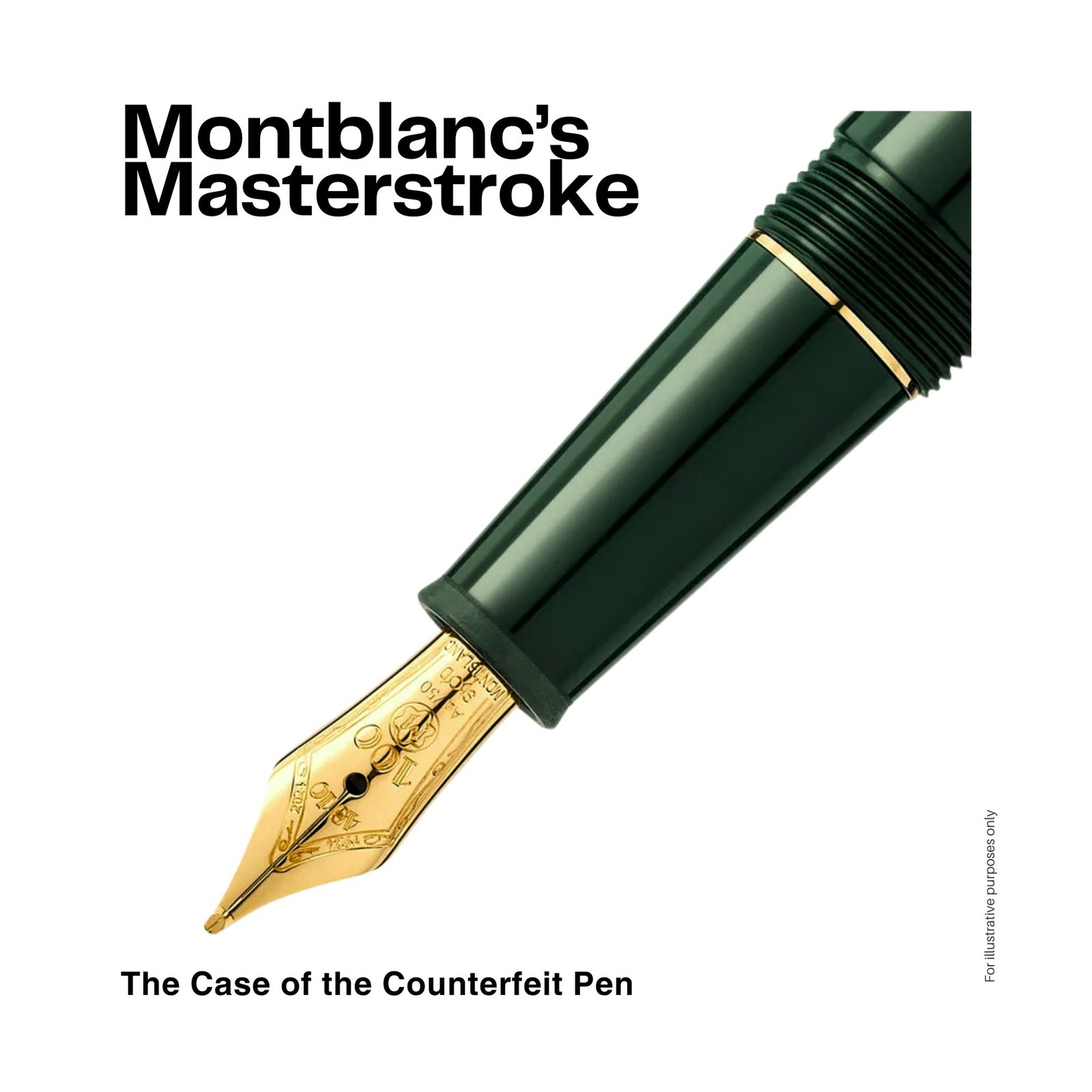
Counterfeit products have plagued luxury brands for decades, threatening their reputation and customer trust. In one such case, Montblanc, the renowned German manufacturer of luxury writing instruments, successfully defended its trademark rights against a group of counterfeiters operating under the guise of a legitimate e-commerce platform. The Case at Hand Montblanc, a German brand known…
-
ISSEY MIYAKE’s BAO BAO Bag Protected by Tokyo Court in Design Dispute
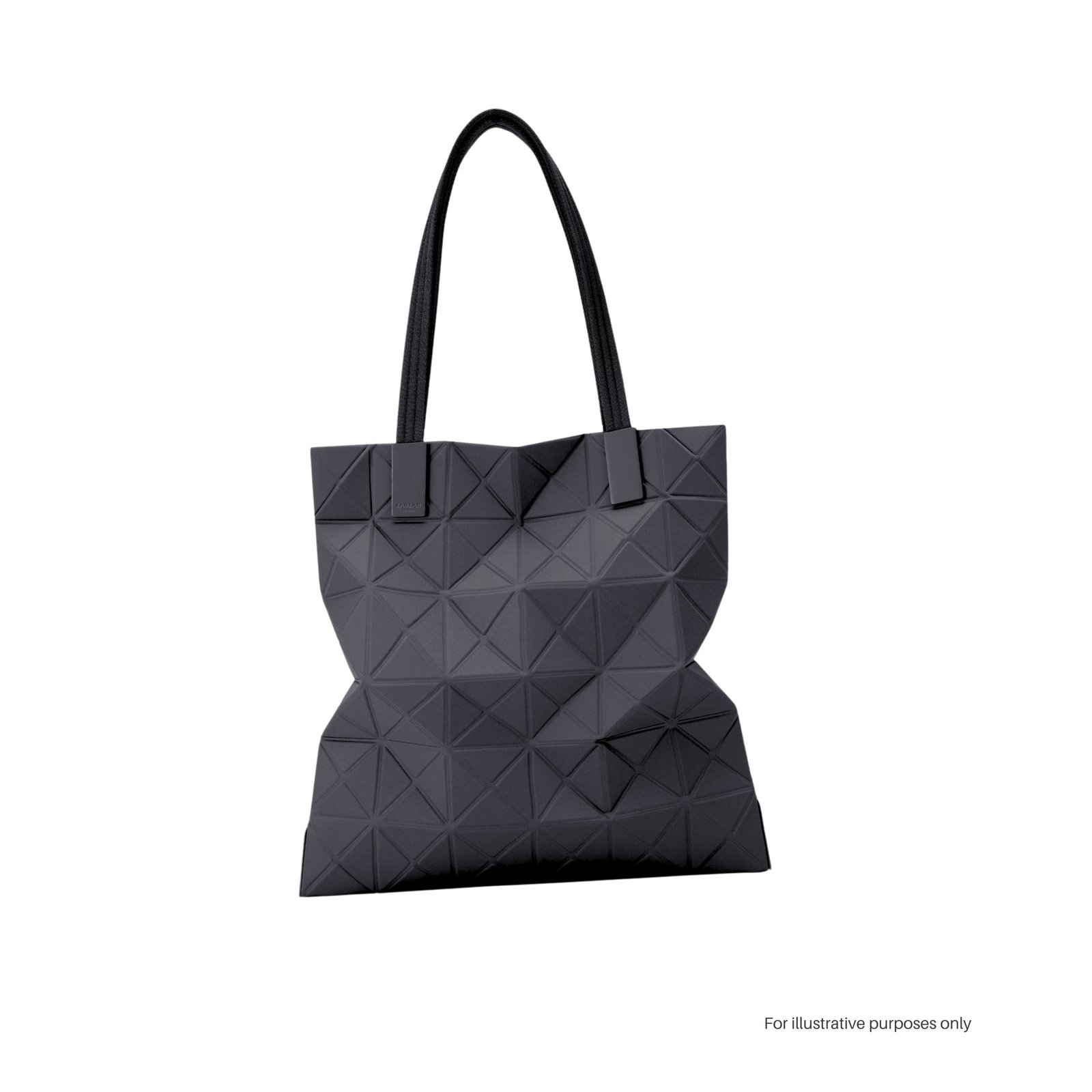
The Tokyo District Court has ruled in favour of ISSEY MIYAKE in a dispute concerning the well-known BAO BAO bag, awarding damages of JPY 71 million against Largu Co., Ltd. The case confirms a clear legal position in Japan: creative design, once commercially distinctive, is protectable under the Unfair Competition Prevention Act. BAO BAO: Not…
-
Levi’s Blank Tab: The Subtle Art of Trademark Protection
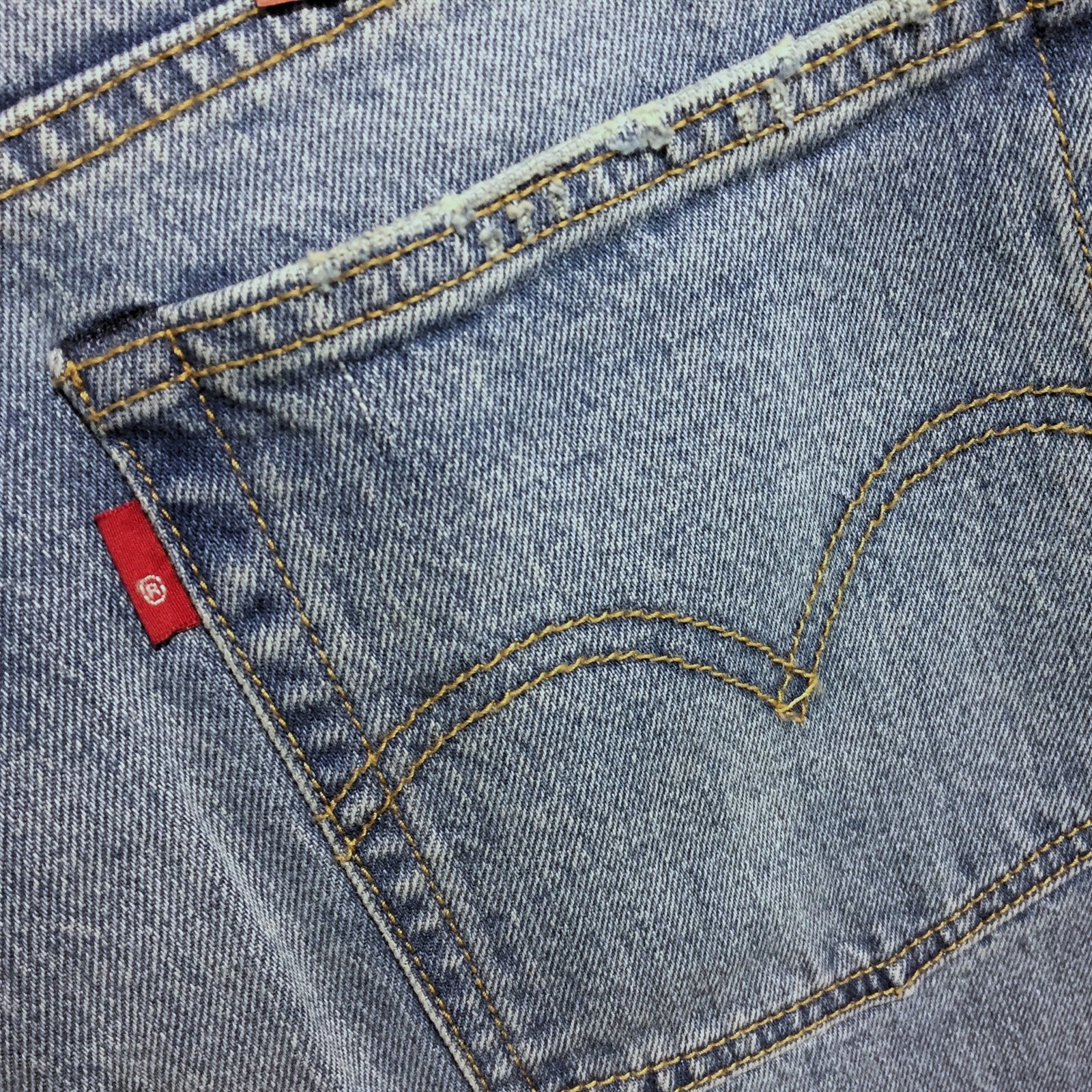
Levi’s Blank Tab, one of the most frequently copied trademarks in the world! Levi Strauss & Co. has built its reputation on durable denim and innovative branding. Central to this legacy is the trademarked Tab, a small but very important element of the Levi’s brand. Today, we are discussing the blank Tab or plain tab…
-
Gucci vs Guess Dispute: From Lawsuit to Resolution
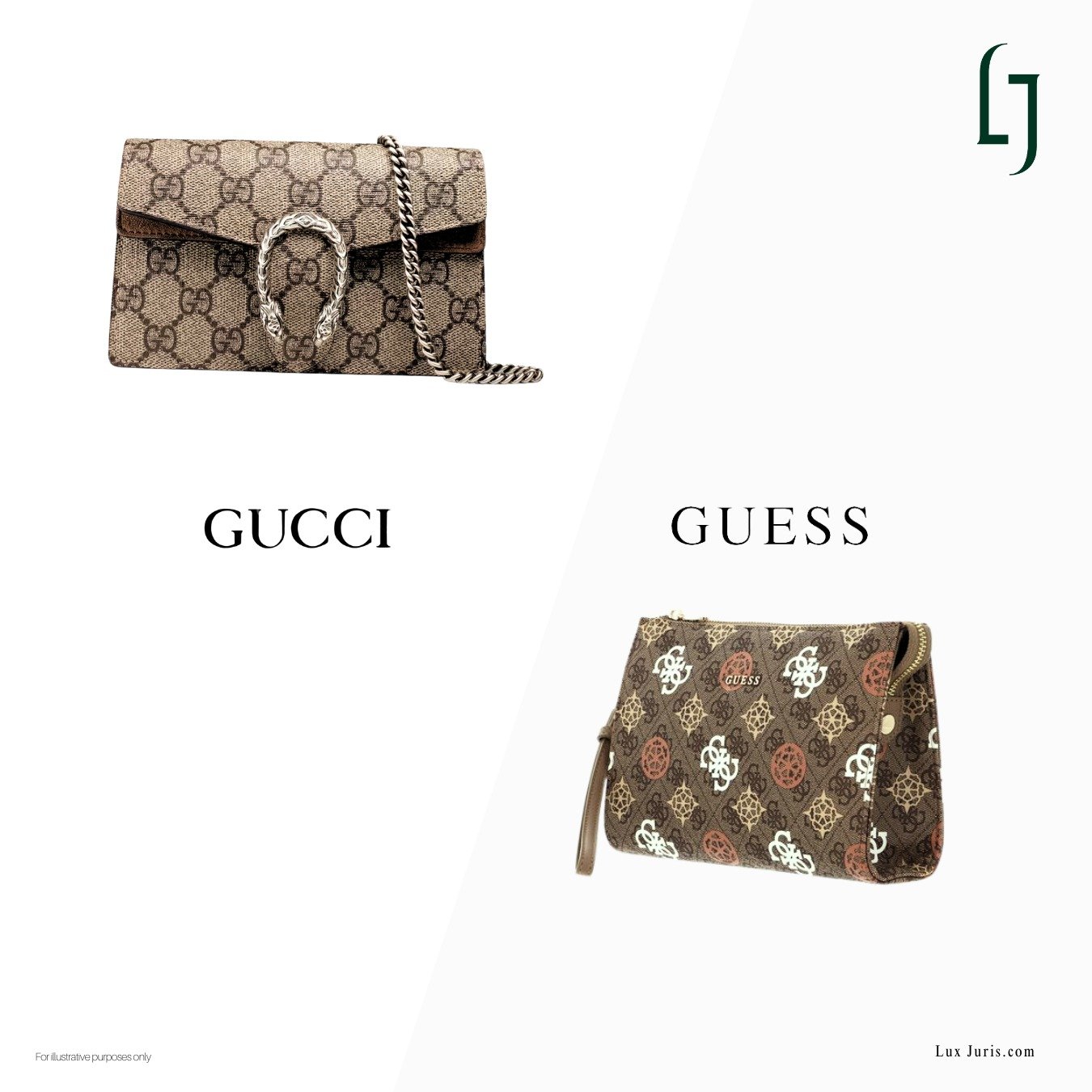
The gucci vs guess trademark dispute offers a clear view of the challenges involved in protecting brand identity in fashion. What began with Gucci’s decision to take legal action over the alleged imitation of its distinctive design features developed into a prolonged conflict across multiple jurisdictions. While Gucci secured favourable rulings in some courts, the…
-
Rolling Into Trouble: Vans vs. MSCHF and the ‘Wavy Baby’ Sneakers
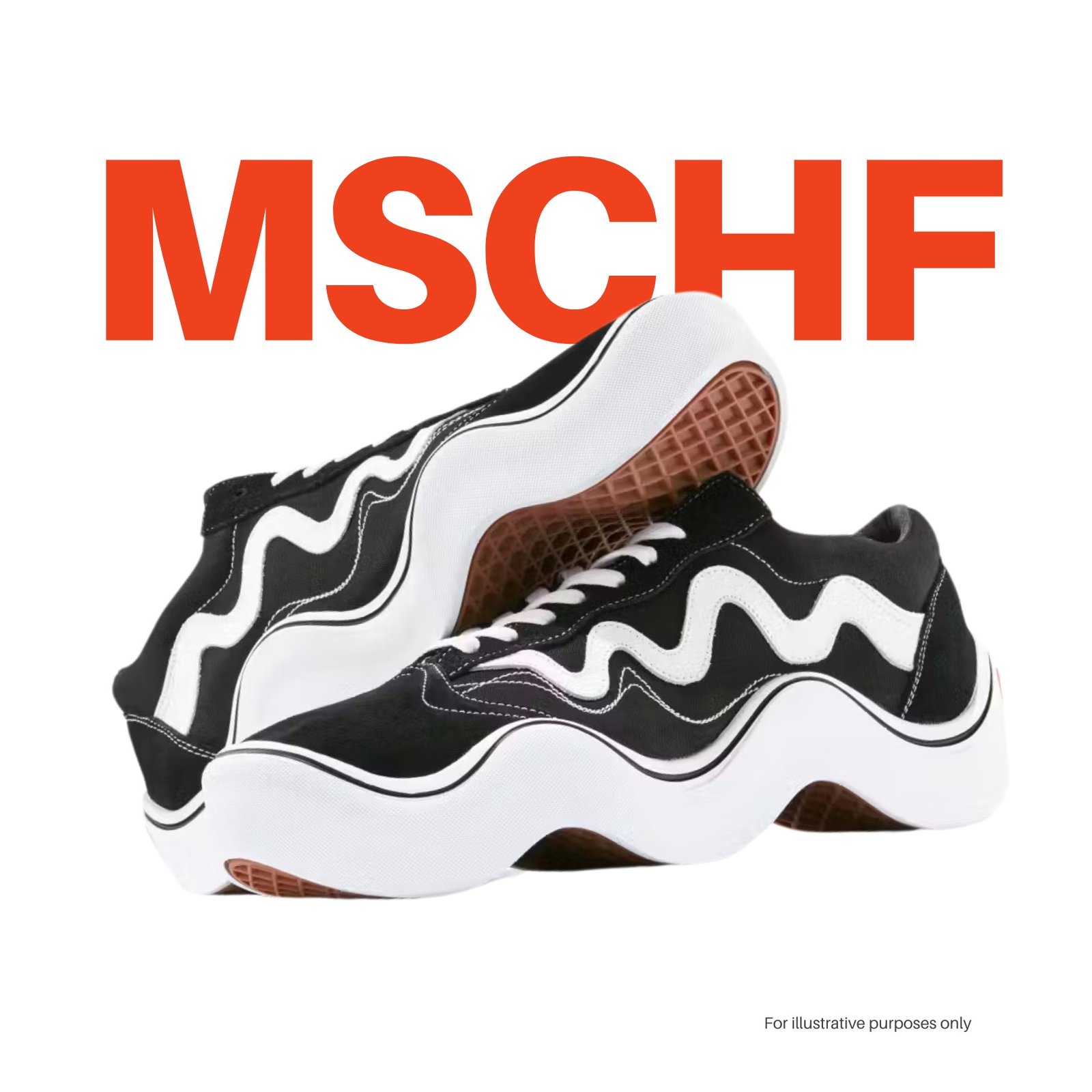
The Vans vs MSCHF dispute over the Wavy Baby sneakers was anything but straightforward. Vans alleged that MSCHF had copied the Old Skool design, pursuing claims of trade dress infringement. MSCHF pushed back, framing the sneakers as a parody and invoking First Amendment protections. The dispute goes beyond a sneaker’s design, involving the safeguarding of…
-
Valentino vs Valentino: The Fight Over a Name
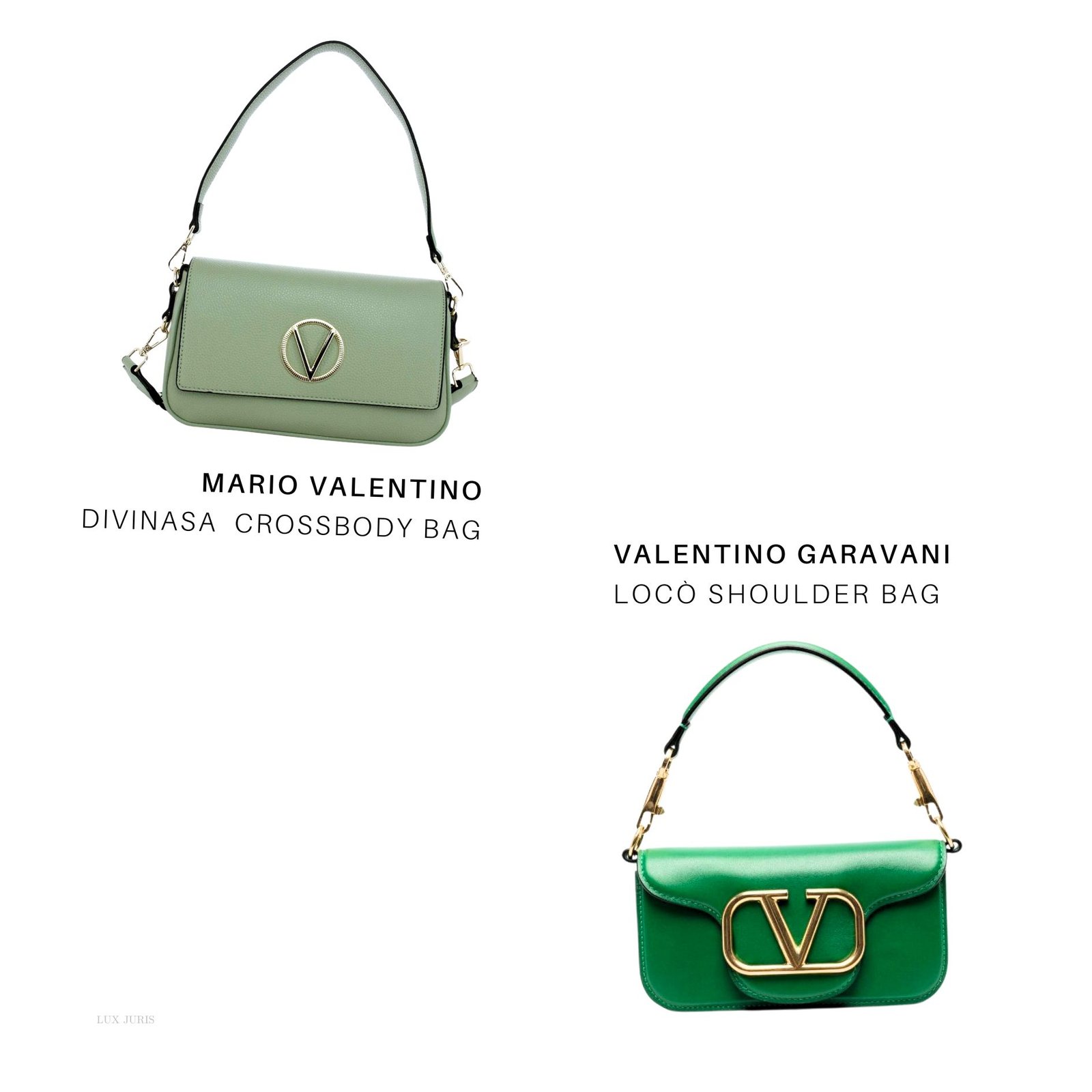
Valentino vs Valentino. One Name, Two Legacies, Endless Confusion. If you have ever spotted a Valentino handbag and hesitated, wondering which Valentino it belongs to, you are not alone. For decades, two Italian fashion houses have competed under the same name, creating a confusion that extends from courtrooms to shop floors. This is not just…