Articles
-
Is the Market Too Small for Perfumes Compared to Sneakers? Why Perfumers Deserve Recognition
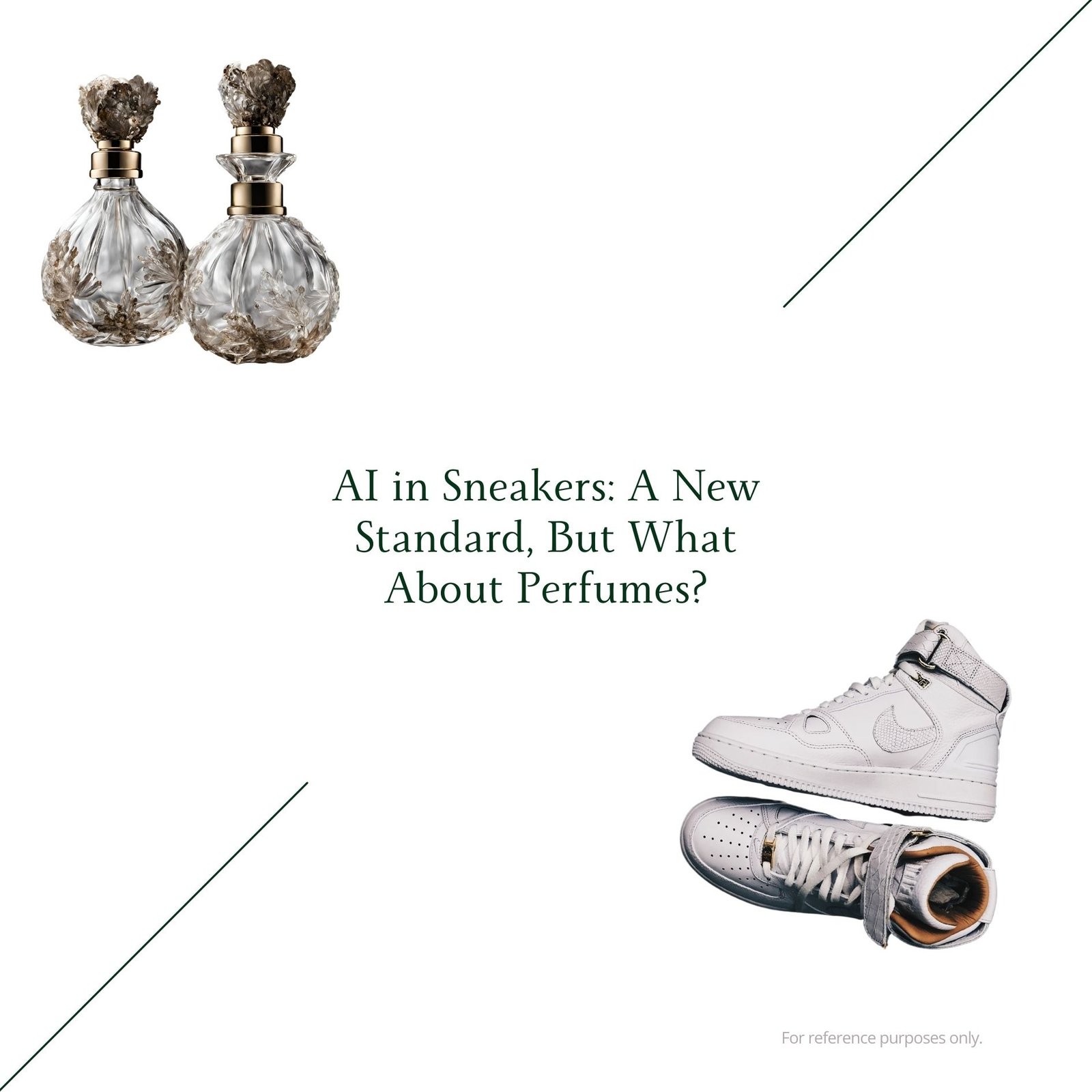
Is the market too small for perfumes compared to sneakers? It is time to recognise perfumers as the artists they truly are, creators whose rights deserve protection. While sneakers attract widespread admiration, perfumes hold similar potential for artistry and emotional impact. Collectors and enthusiasts pay hundreds of dollars for both rare sneakers and exclusive scents,
-
Burberry, Manolo Blahnik, and Moncler: Trademark Cases Reflecting China’s Improving Legal System
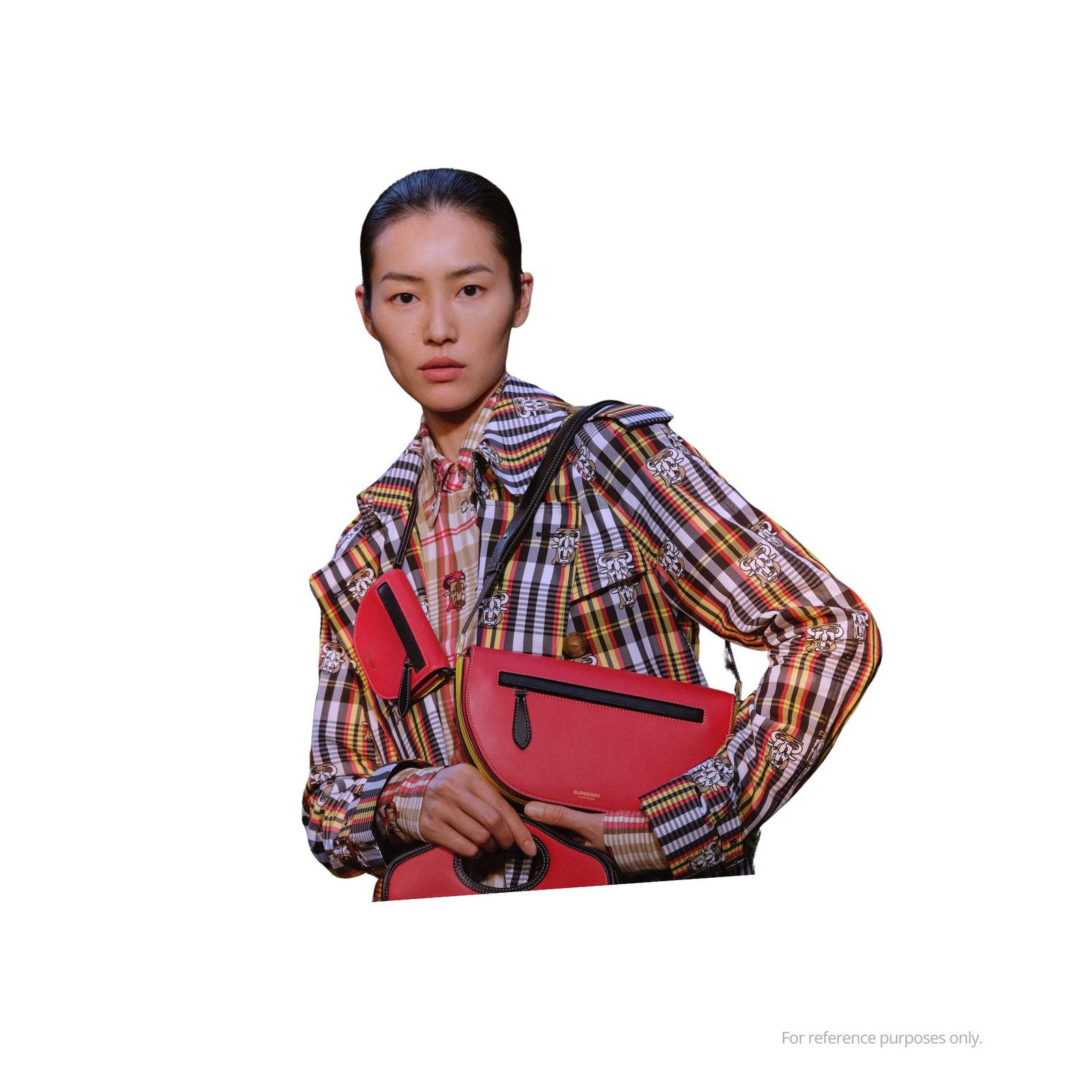
China has long been a challenging territory for trademark enforcement, especially for foreign brands. However, cases involving Burberry, Manolo Blahnik, and Moncler have significantly influenced the country’s trademark protection framework. These cases illustrate the strengths and the ongoing limitations of China’s trademark system, particularly the ‘first-to-file’ principle. While foreign brands are now better able to
-
How Bottega Veneta’s Weave Design Became a Trademark

On September 30, 2013, Bottega Veneta, the esteemed Italian luxury brand, achieved a legal victory when the U.S. Patent and Trademark Office granted trademark protection for its distinctive intrecciato weave design. The word intrecciato, meaning “interwoven” in Italian, refers to the brand’s signature technique of interlacing slim strips of leather into a recognisable pattern. This
-
The Evolving Industry of Perfume: Copyright, AI, and the Future of Perfumes
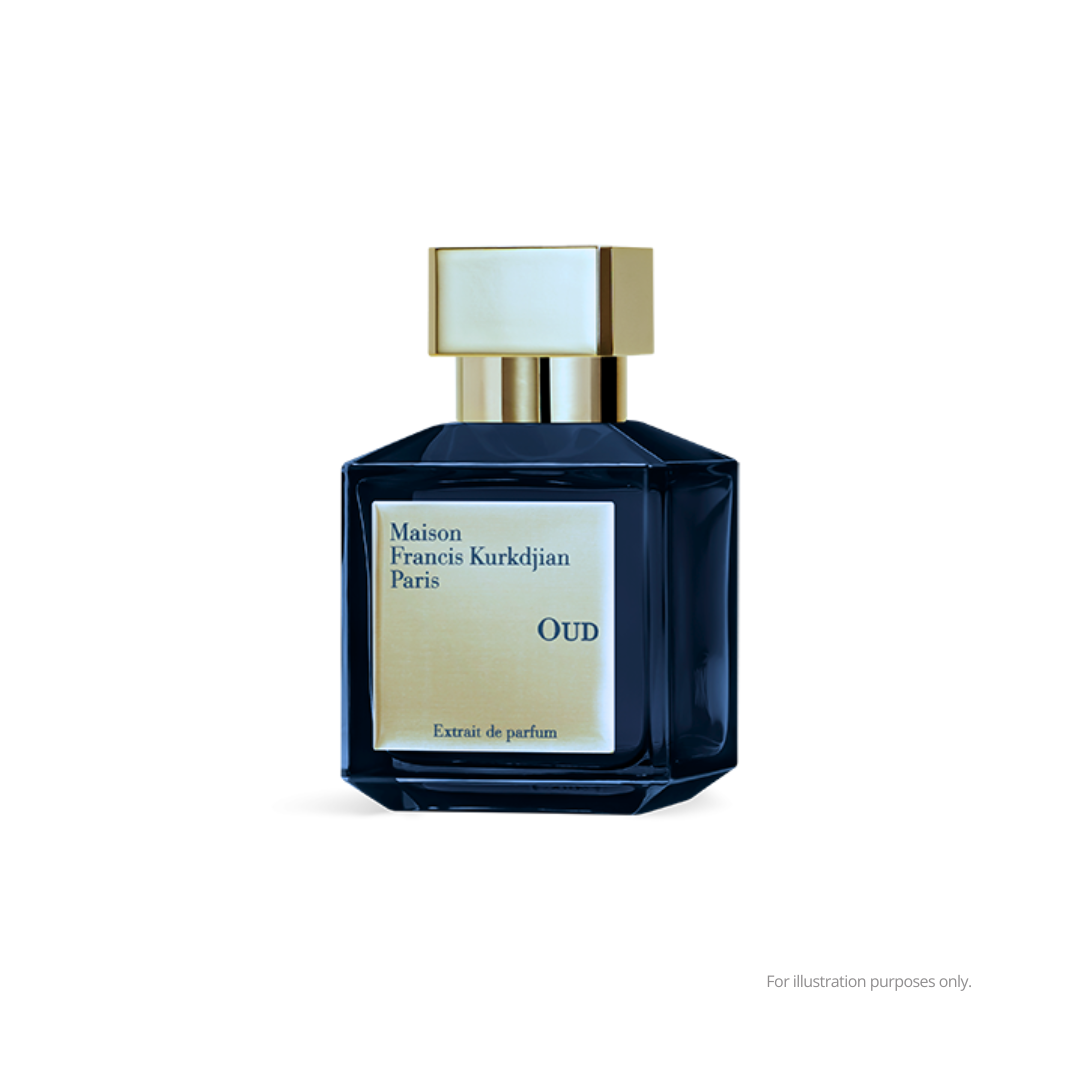
Perfume is deeply connected to human experience, often triggering emotions and memories. Scents like ylang-ylang and oud can lift our spirits or transport us to distant places. Yet, despite their profound effects, perfumes remain largely unprotected by copyright law. Advances in technology, particularly artificial intelligence (AI), may soon change this, creating new opportunities and challenges
-
Perfume Law: Can the Law Keep Up with the Art of perfumery?
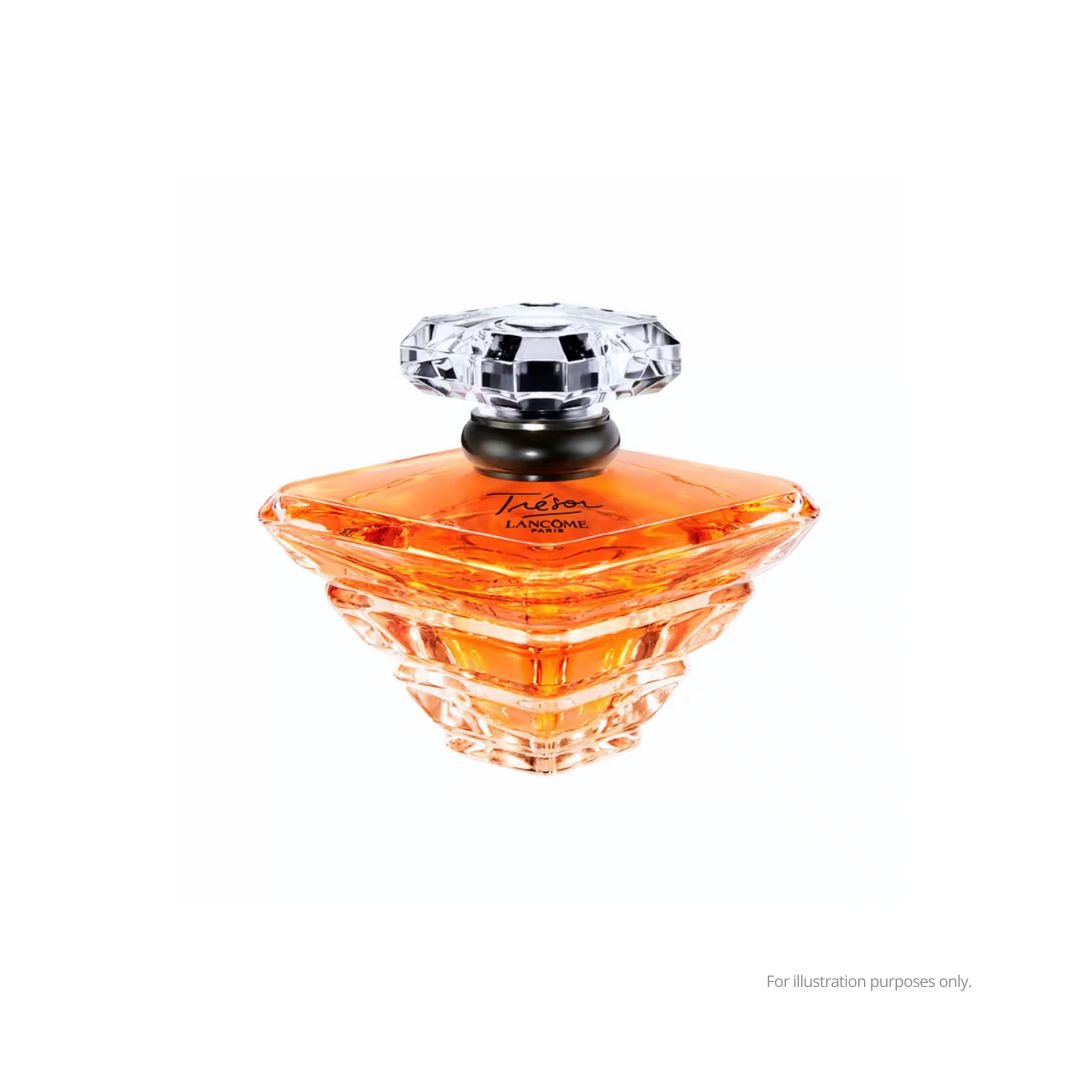
The idea of ‘perfume law’, though not a formal branch of intellectual property, captures a growing effort to treat fragrance as more than a fleeting commercial good. Long dismissed as decorative and too elusive to merit legal recognition, perfume has for decades remained on the fringes of intellectual property protection, overshadowed by visual and auditory
-
Steve Madden and Intellectual Property Disputes: Understanding the Legal Context

Steve Madden has built a billion-dollar brand on a simple idea, make high-end designs affordable by copying them. The result? Madden’s shoes and accessories look like high-end designer pieces, and that resemblance has dragged him into court time and time again. Big names like Valentino, Ganni, Dr. Martens, and Converse have lined up to protect
-
Inside Luxury M&A: Successes, Setbacks, and Regulatory Roadblocks
The luxury market, driven by both prestige and intense competition, is undergoing a wave of strategic activity through mergers and acquisitions. This article examines three recent developments: Mytheresa’s acquisition of YOOX NET-A-PORTER (YNAP), Frasers Group’s failed bid for Mulberry, and the blocked Tapestry-Capri merger. Together, these cases reflect the challenges luxury brands face in pursuing
-
Adidas and the Stripe Wars: Struggling to Draw the Line of Defense?

Adidas, the global sportswear brand, is known not just for its three stripes on the track but also for its endless courtroom battles. Over the years, Adidas has taken legal action to protect its distinctive three-stripe design, filing cases against brands across the fashion industry, from high-street fashion to luxury labels. These legal battles are
-
Dr. Martens and the Fight to Protect Its Yellow Stitching

Dr. Martens, the British footwear brand known for its durable boots and signature yellow stitching, has spent decades building a strong visual identity. Since 1960, the yellow stitching has symbolised the brand’s quality and individuality. But with growth came imitation, and with imitation, legal challenges. As Dr. Martens expanded, it found itself needing to defend
-
Why Perfume Cloning is Legal: The Lack of Intellectual Property Protection for Fragrances
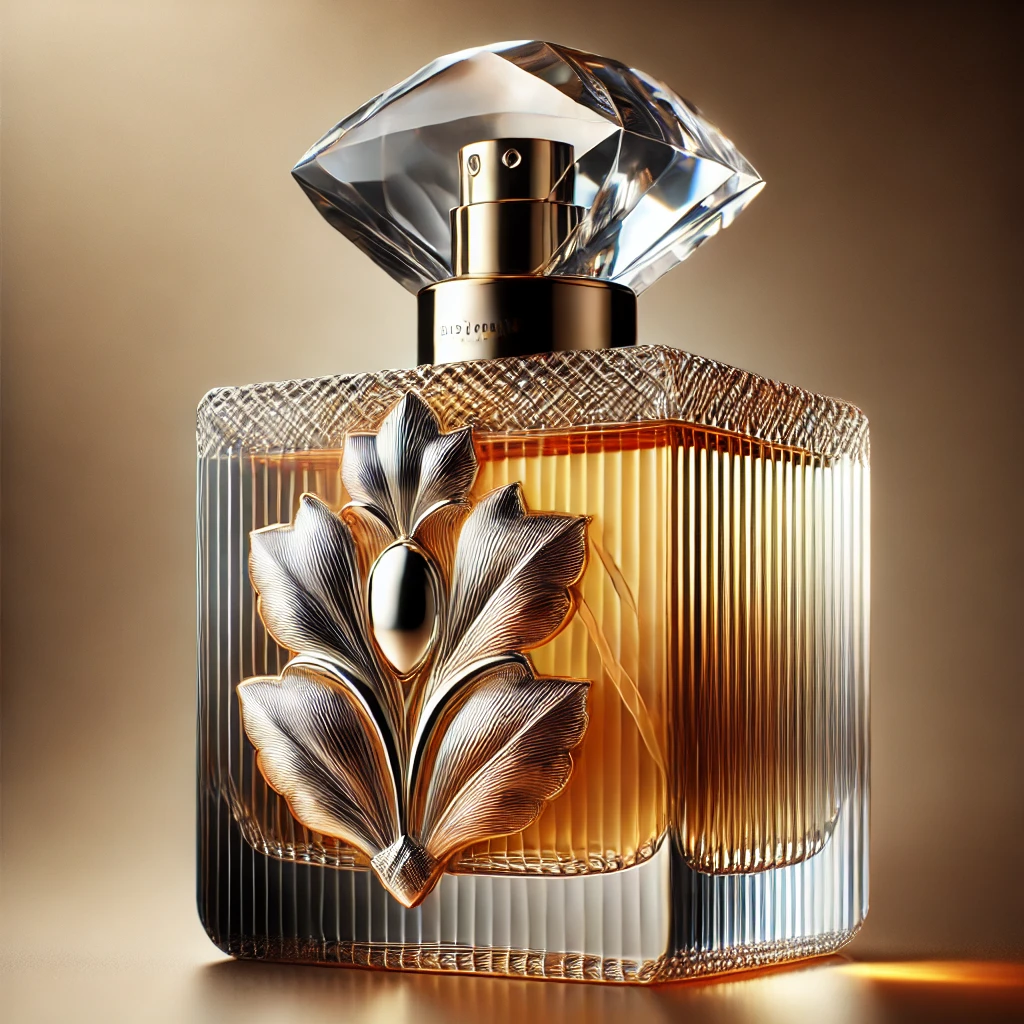
Perfume cloning is a common practice where lower-cost brands replicate the scent of high-end perfumes. This might seem unfair to luxury brands, but perfume cloning is generally legal due to how intellectual property (IP) laws view fragrances. Here’s why perfumes are not strongly protected by IP law, and why cloning is allowed. Perfumes Are Considered