-
Cartier Wins LOVE Bracelet Case in Paris
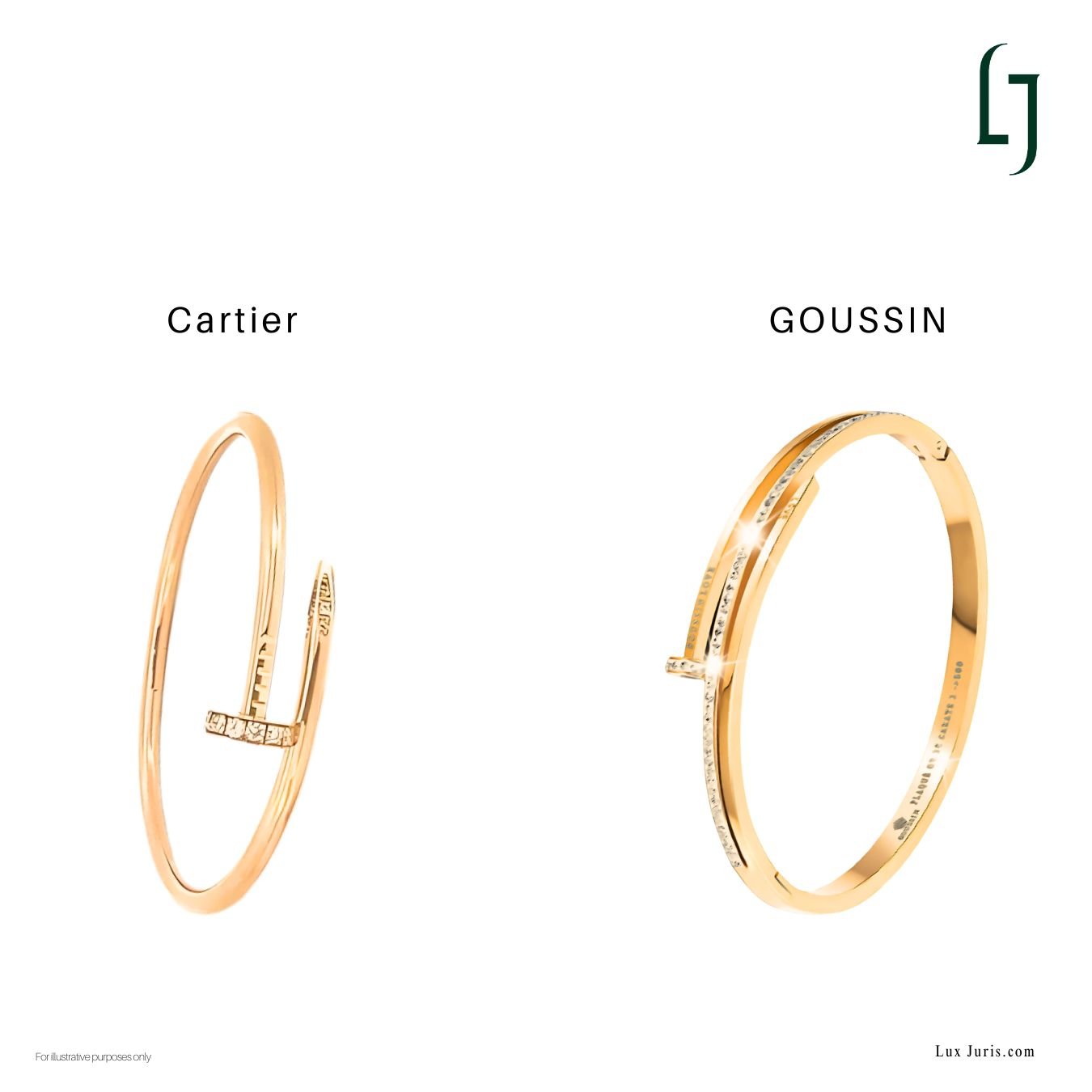
On 5 March 2025 the Paris Judicial Court (Tribunal judiciaire de Paris) gave judgment in a dispute between Cartier International AG and Société Cartier on one side and the British companies Goussin Ltd and Goussin Jeweler Ltd on the other. The case concerned the sale of bracelets marketed under the name LOVE. Cartier said these…
-
Valentino Ownership and Eyewear Licence 2025
On 10 September 2025, Kering and Mayhoola announced an update to Valentino’s shareholders’ agreement. Five days later, on 15 September, Valentino and Kering Eyewear confirmed a new global partnership for the brand’s eyewear business. Both are contractual, showing how law provides structure and stability while enabling growth for a luxury house. About Kering and Mayhoola…
-
Nigeria’s Traditional Fashion: Legal Protection and Preservation
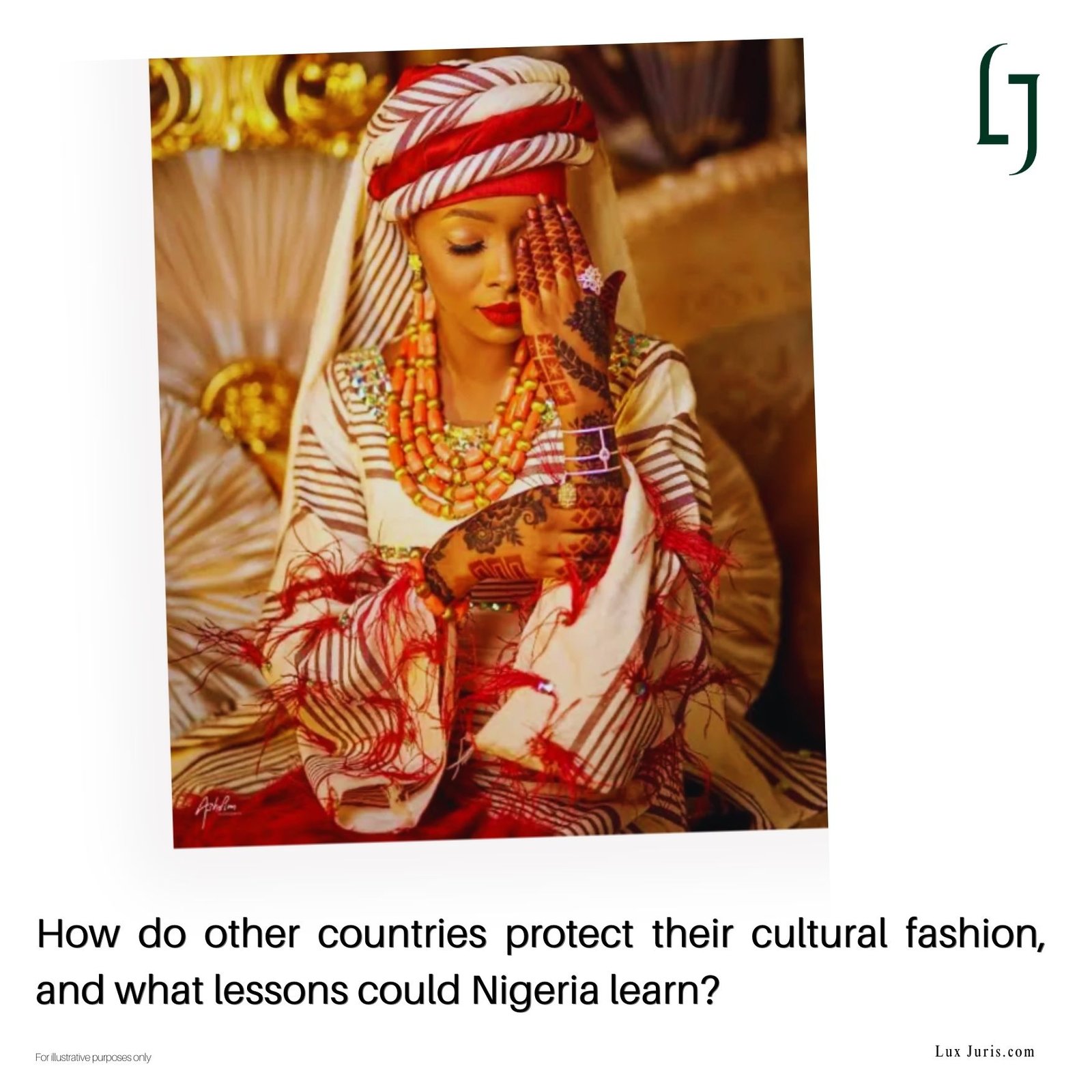
Cultural misappropriation of traditional fashion expressions in nigeria and the urgent need for a sui generis framework Nigeria is a country rich in cultural diversity, home to over 250 indigenous ethnic groups. Each of these groups has fashion expressions unique to its heritage. The Yoruba’s Aso Oke, the Igbo’s George wrapper and beads, and the…
-
Chanel N°5 vs N°9 Flower of Story: Packaging Recognised as Source Identifier in China
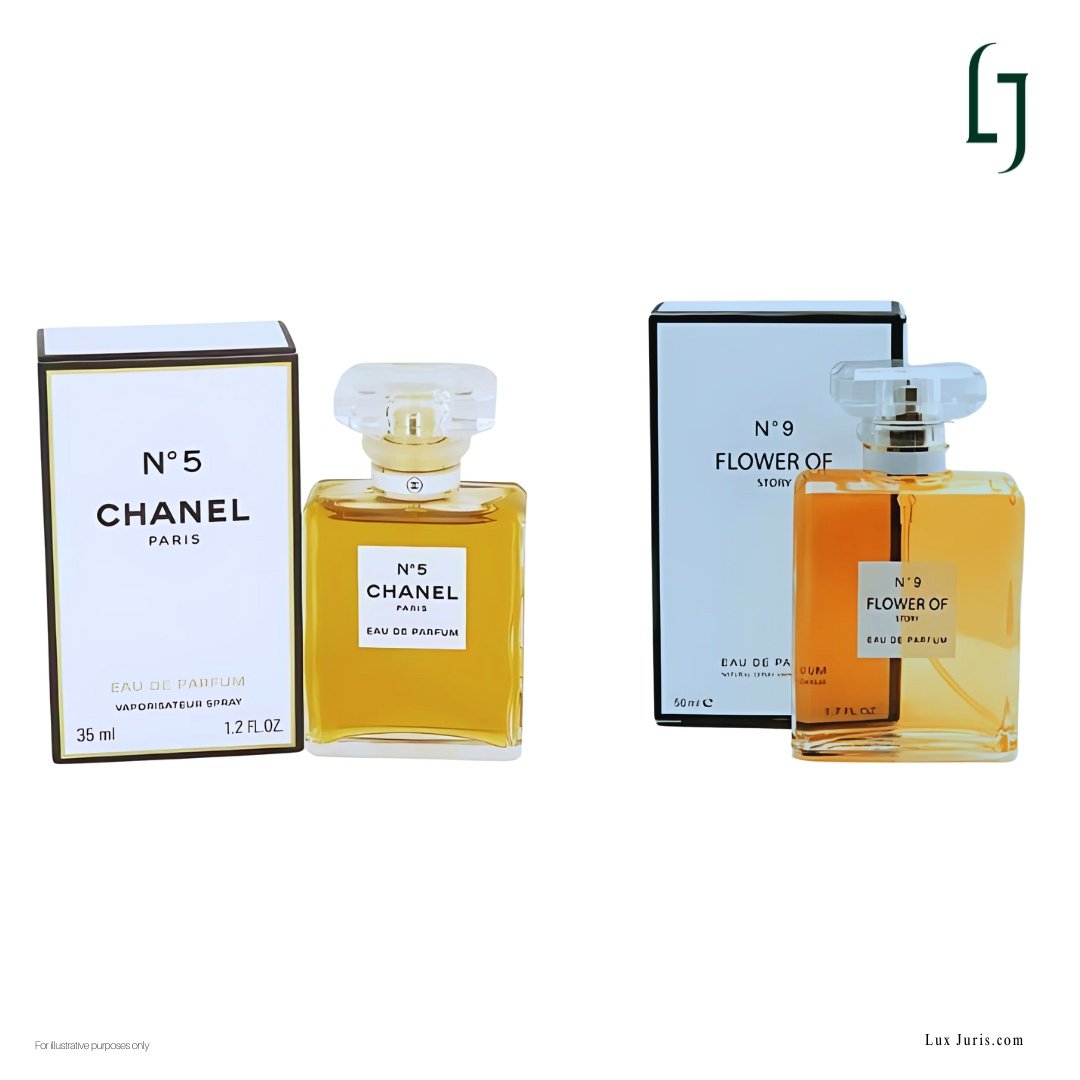
In 2019, CHANEL identified that a Chinese company, Yiwu Ai Zhi Yu Cosmetics Ltd. also referred to as Story of Love Cosmetics Co., Ltd. (SLC), was producing a perfume marketed as “N°9 Flower of Story,” which closely imitated the distinctive trade dress of CHANEL’s N5 perfume. The alleged infringing product replicated the bottle shape, stopper…
-
France’s Fast Fashion Bill: Stitching Together Sustainability?

Ecological Transition Minister Agnès Pannier-Runacher announced that France’s new law requiring clothing environmental cost labels empowers consumers, rewards sustainable producers, and counters the harmful impacts of ultra-fast fashion by increasing transparency and protecting domestic jobs.1 France is making a bold stand against the environmental and economic toll of fast fashion with its Fast Fashion Bill,…
-
Bulgari Awarded Damages in Dispute Over Serpenti Lookalikes
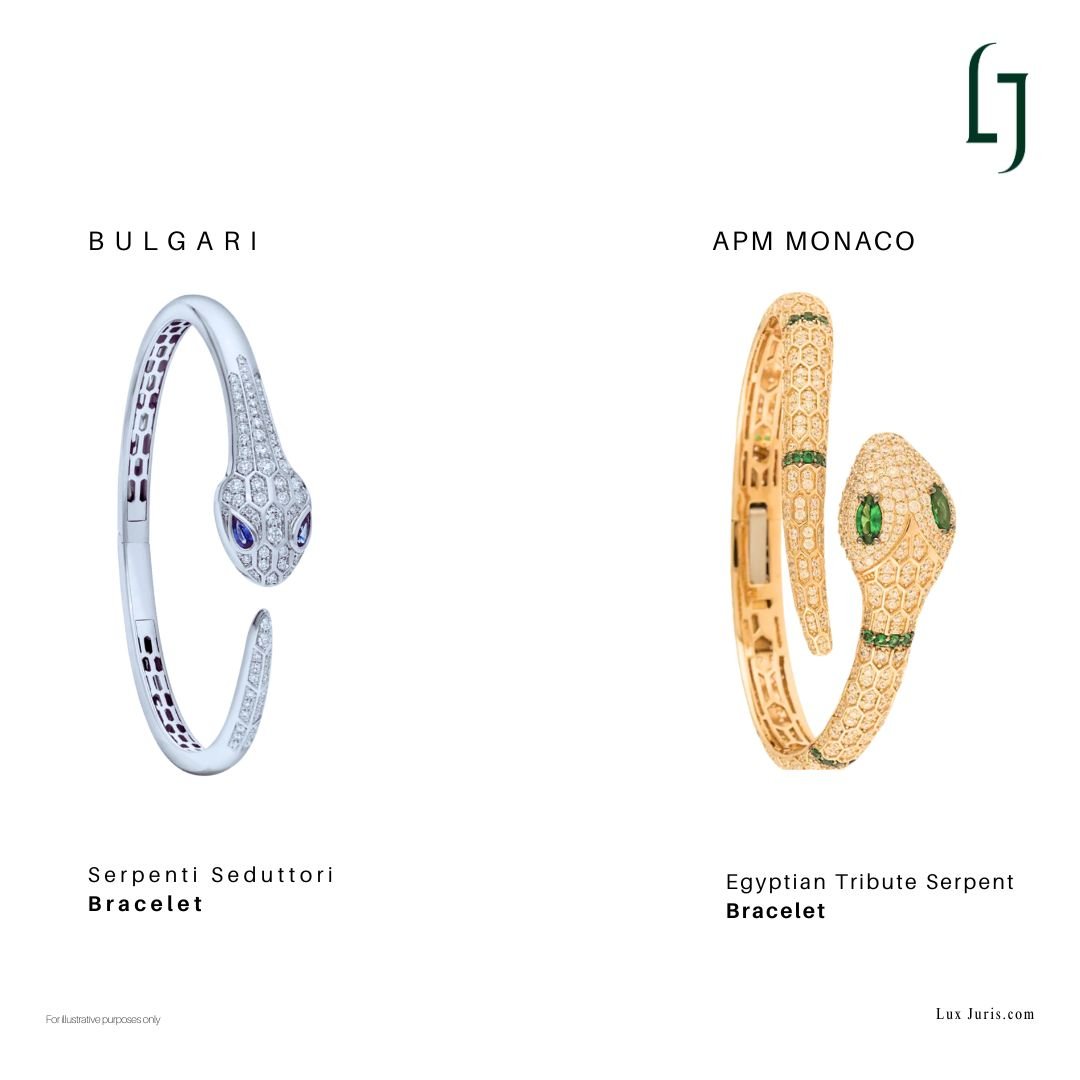
In 31 January 2025, the Paris Court of Appeal handed down its ruling in the dispute between Bulgari and APM Monaco. At issue were designs from Bulgari’s Serpenti collection, centred on the stylised serpent head, the coiled form and the pear-cut gemstone eye. Bulgari claimed that APM’s Egyptian Tribute and Archi Noir collections reproduced these…
-
Hermès Wins Major Copyright Case Over Iconic Sandal Designs
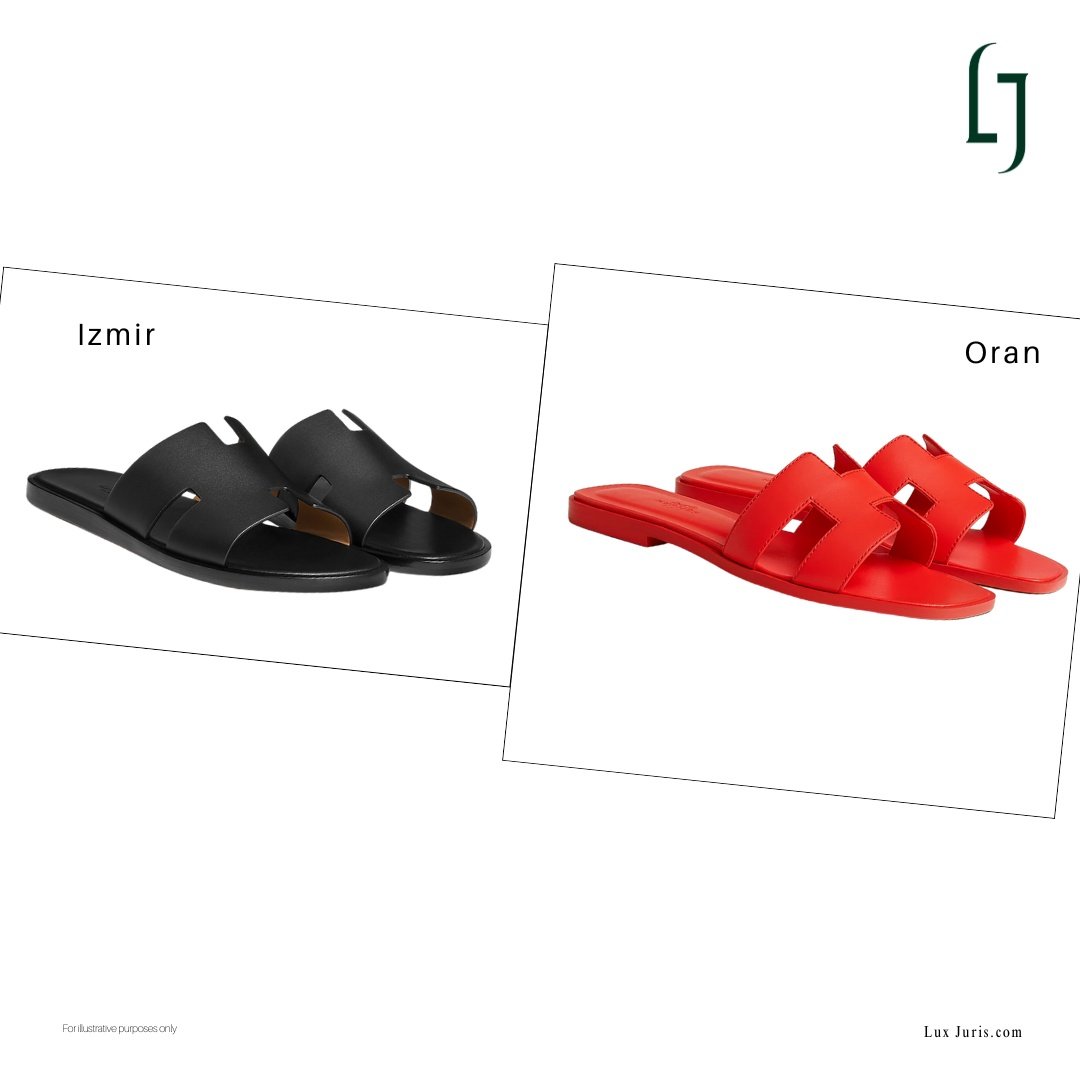
On July 11, 2025, the Paris Court of Appeal has delivered a resounding affirmation of creative protection within the luxury sector, partially upholding Hermès International’s claims against footwear imitators in a closely watched intellectual property dispute. The court confirmed copyright infringement for two specific mule models that copied the signature “H” shape of Hermès’ well…
-
Secondhand Fashion in Senegal: The Final Destination for Abandoned Clothes | A Senegalese Story
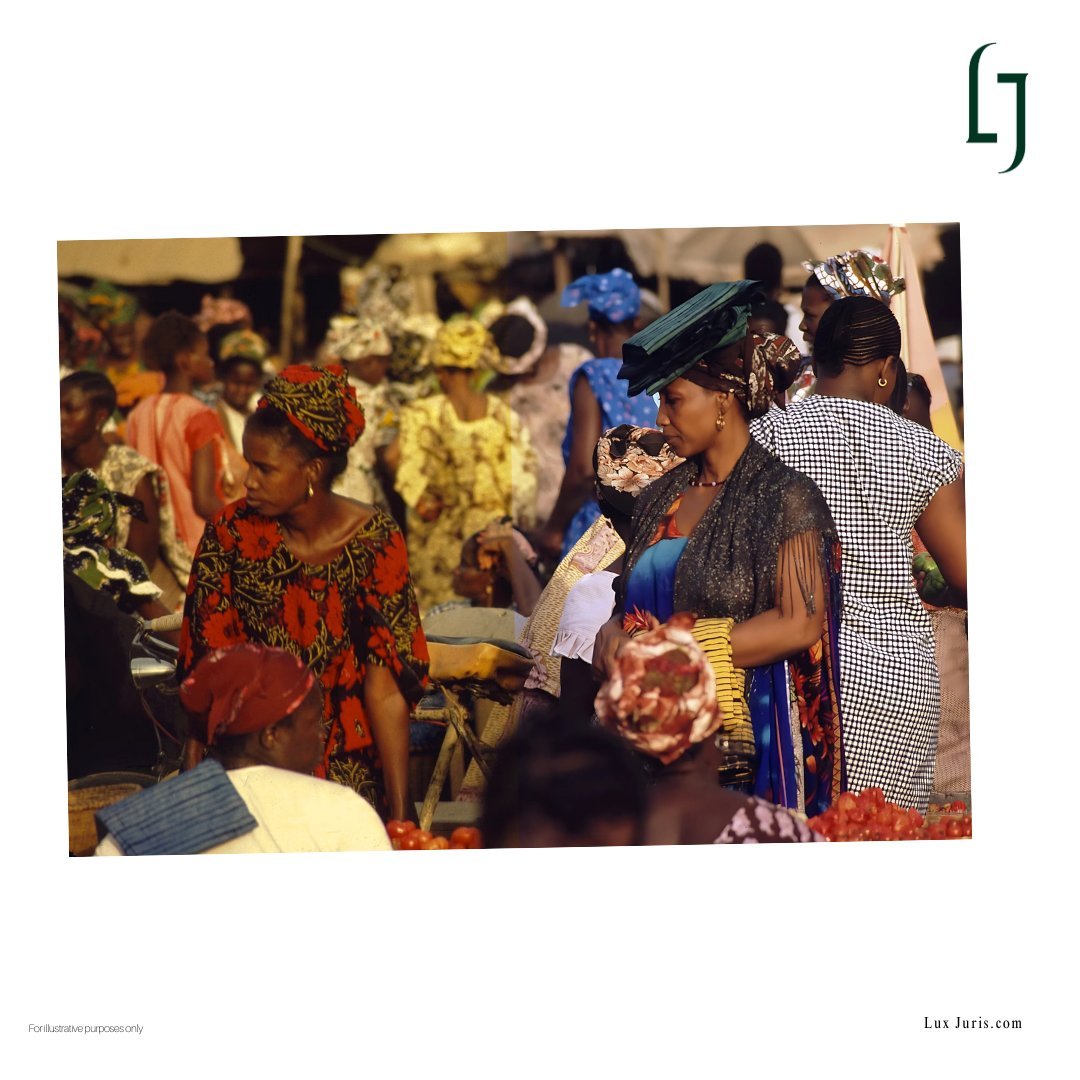
Fashion that is no longer in trend, whether hanging in your closet or donated to charity, does not simply disappear. Many garments find their way to bustling markets far from where they began. Senegal, in West Africa, is one of the countries where this secondhand fashion trade thrives. In Senegal, feugue-diaye (“clean off and sell”)…
-
Burberry vs Target: Dispute Over the Burberry Check
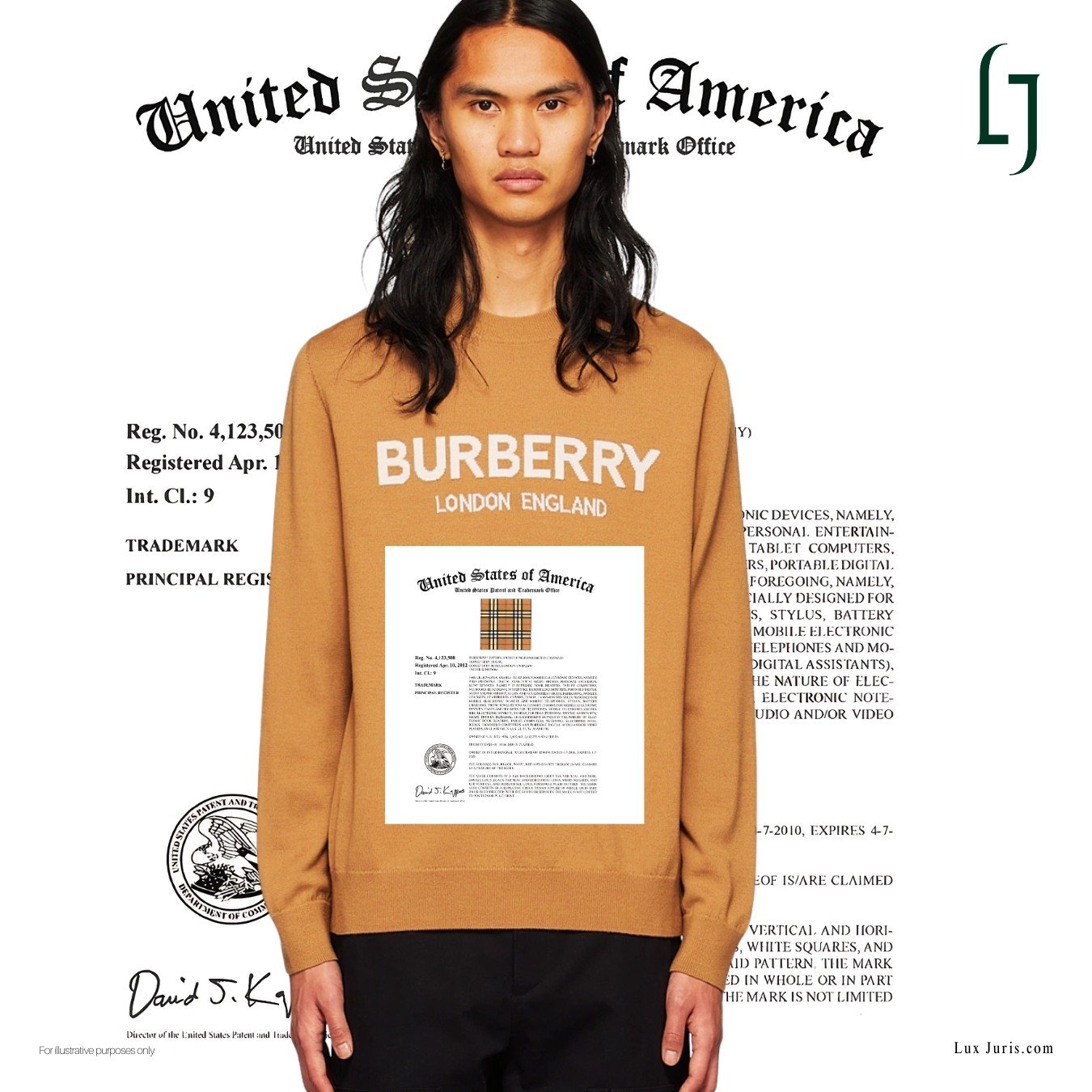
Burberry vs Target shows the legal risks of using a famous mark without consent. In 2018, Burberry filed proceedings in the United States District Court for the Southern District of New York against Target Corporation and Target Brands, Inc. The matter concerned Target’s sale of products said to reproduce or closely imitate Burberry’s registered Burberry…