Infringement
-
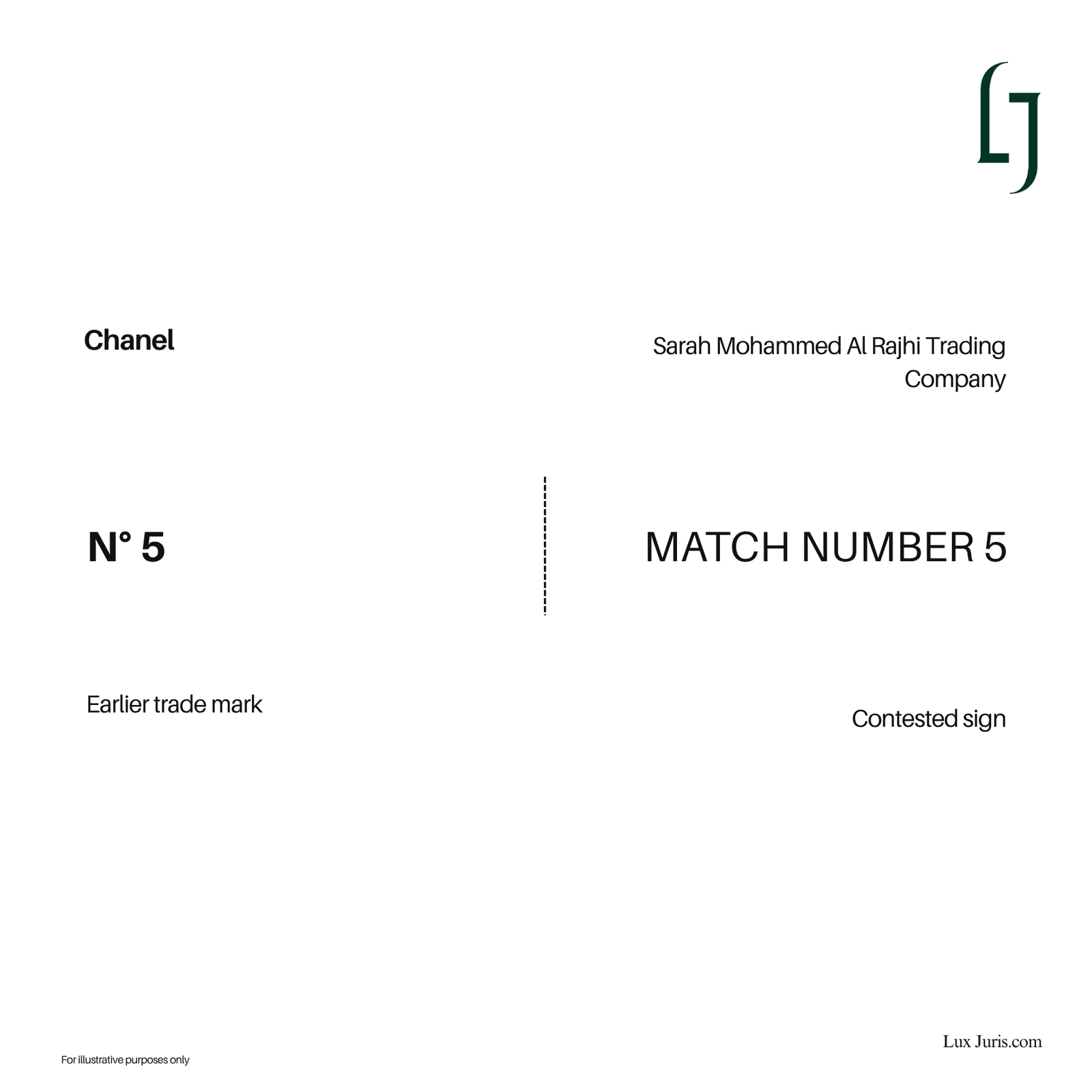
CHANEL N°5 vs MATCH NUMBER 5: When Does a Number Become a Trade Mark Problem?
The EUIPO rejected MATCH NUMBER 5 for perfumes, cosmetics and related Class 3 goods after finding that consumers in France would connect it with CHANEL’s N°5. The decision is particularly interesting because the signs were only weakly similar visually and aurally, yet the opposition succeeded on reputation and unfair advantage. Some trade mark disputes turn…
-
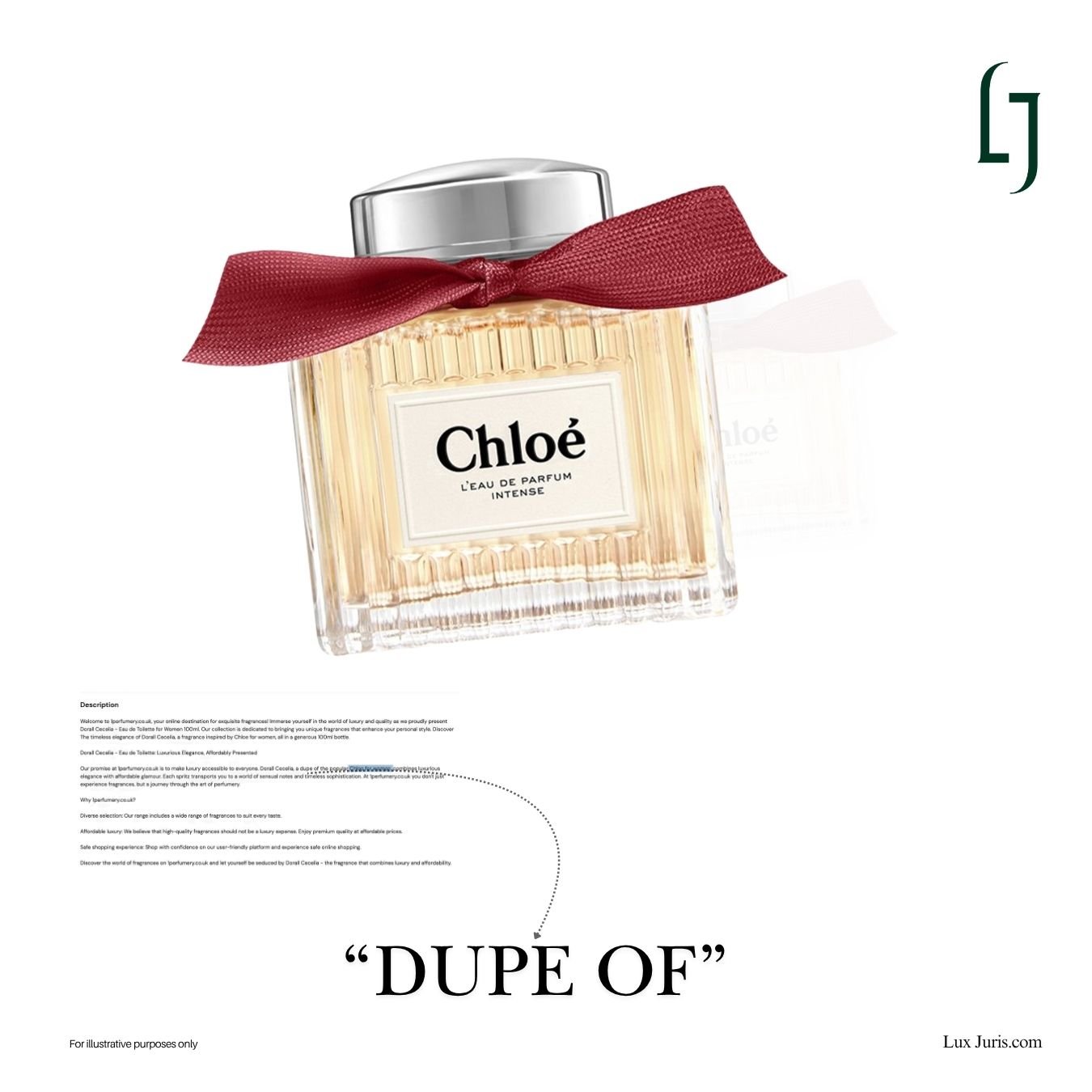
When the trade mark is not on the dupe, but in the route to it
A perfume dupe does not need to carry the original brand’s trade mark on its bottle or packaging for trade mark issues to arise. A recent decision from the District Court of The Hague shows why the legal analysis may extend beyond the physical product to the way that product is offered, searched for and…
-
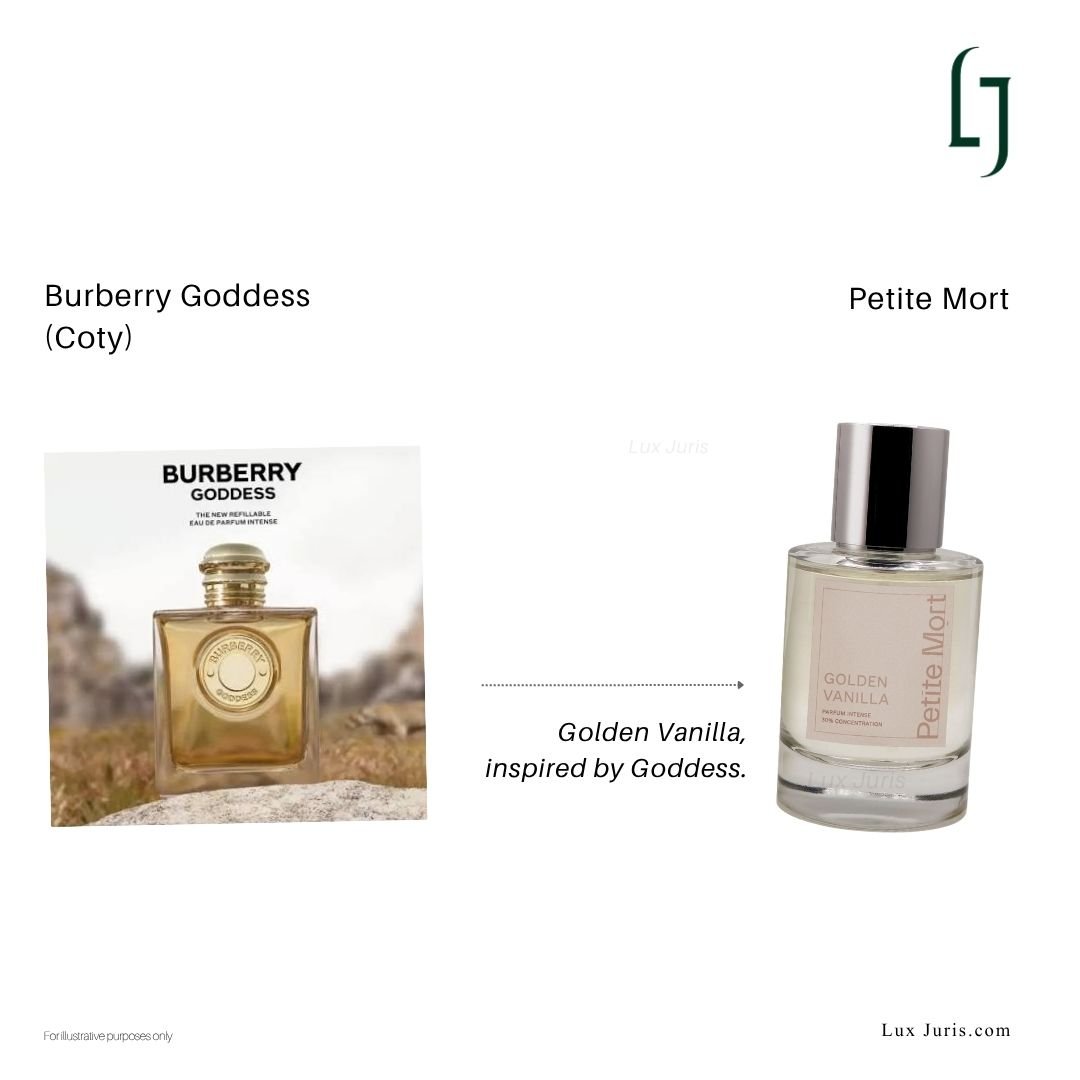
Coty vs Petite Mort: When “Inspired By” Becomes Trade Mark Infringement
Dupe culture has trained an entire generation of sellers and shoppers to believe a simple rule. If you avoid fake packaging, avoid placing a luxury logo on your own product, and describe what you sell as “inspired by” a famous brand, you are on safe legal ground. The logic feels intuitive. A seller who is…
-
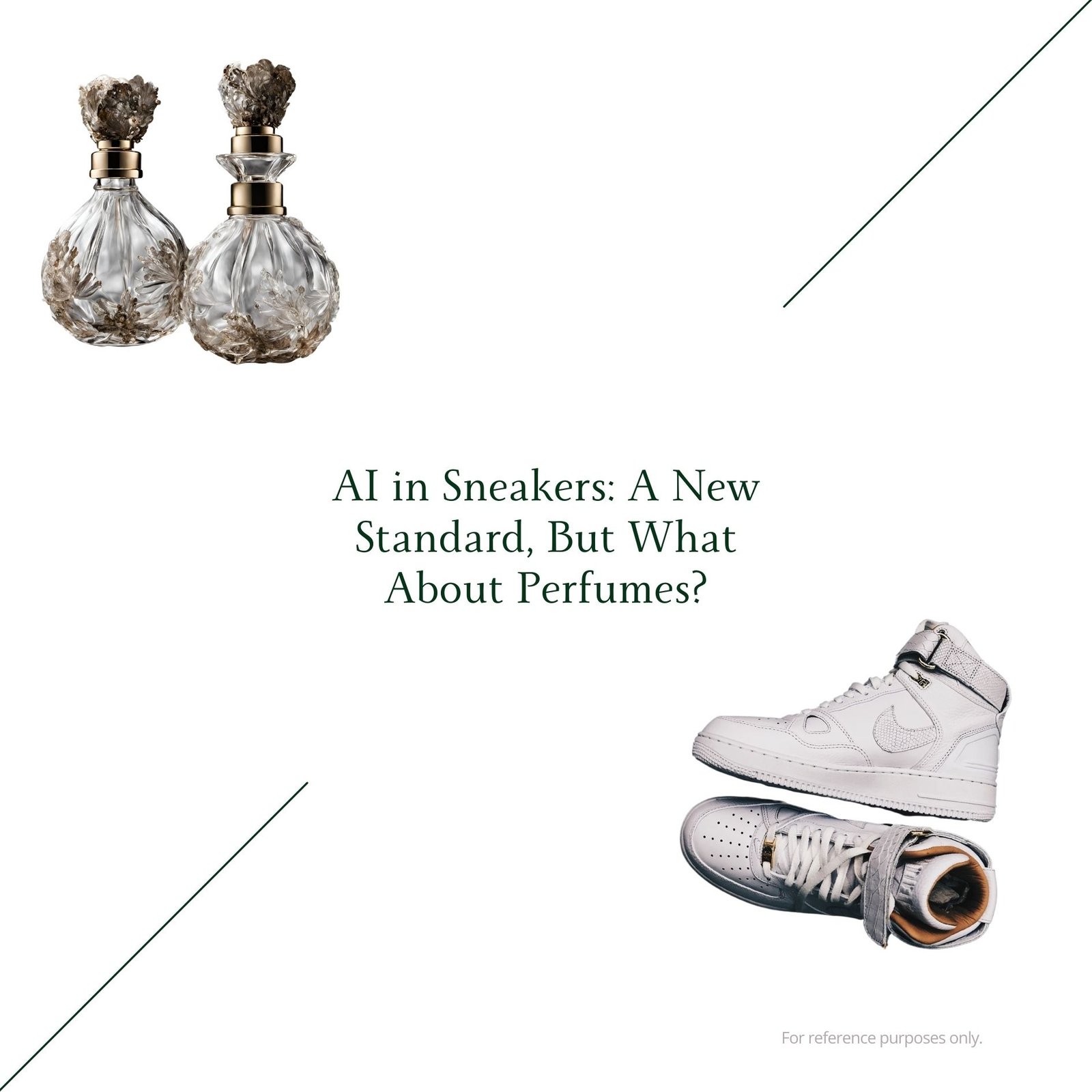
Is the Market Too Small for Perfumes Compared to Sneakers? Why Perfumers Deserve Recognition
Is the market too small for perfumes compared to sneakers? It is time to recognise perfumers as the artists they truly are, creators whose rights deserve protection. While sneakers attract widespread admiration, perfumes hold similar potential for artistry and emotional impact. Collectors and enthusiasts pay hundreds of dollars for both rare sneakers and exclusive scents,…
-
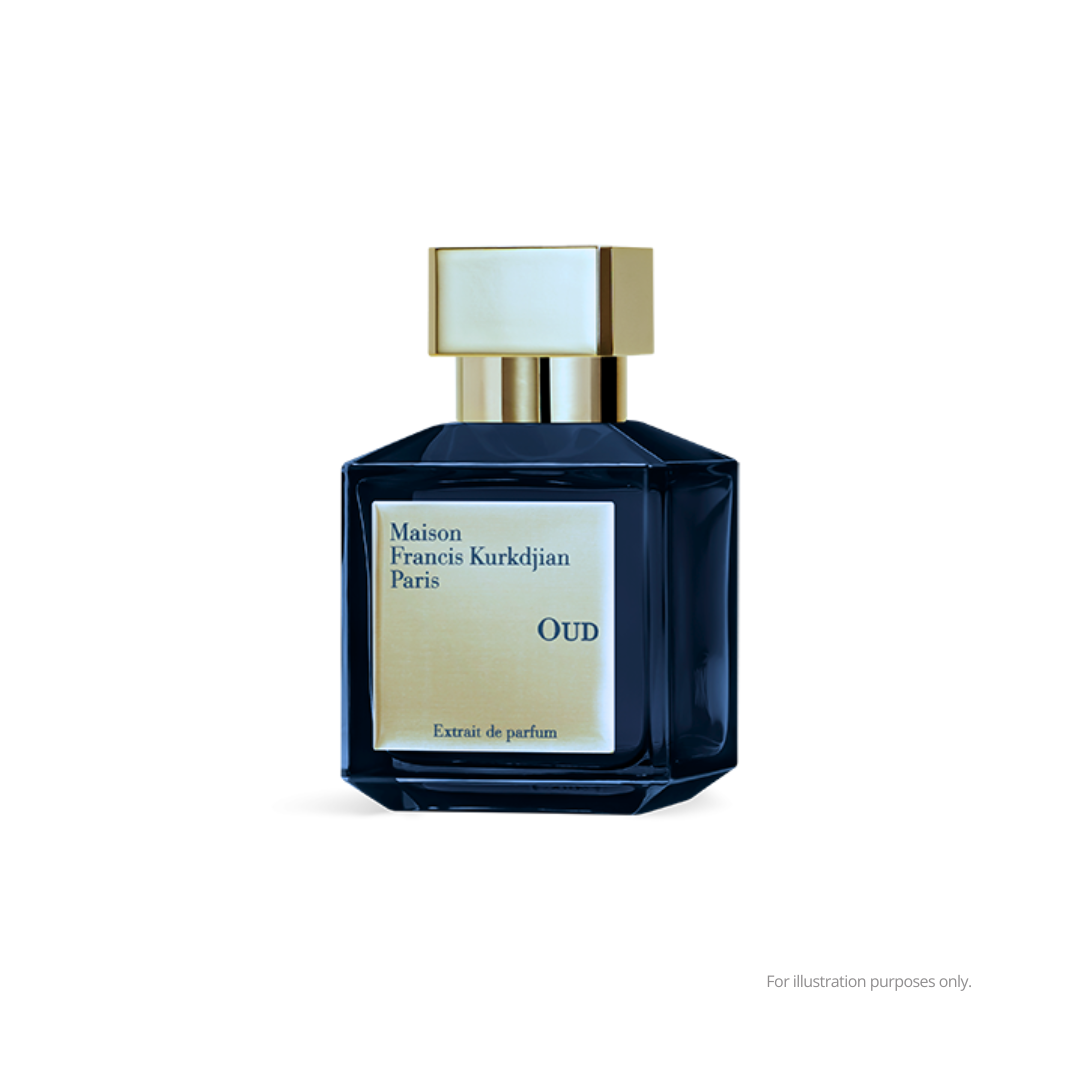
The Evolving Industry of Perfume: Copyright, AI, and the Future of Perfumes
Perfume is deeply connected to human experience, often triggering emotions and memories. Scents like ylang-ylang and oud can lift our spirits or transport us to distant places. Yet, despite their profound effects, perfumes remain largely unprotected by copyright law. Advances in technology, particularly artificial intelligence (AI), may soon change this, creating new opportunities and challenges…
-
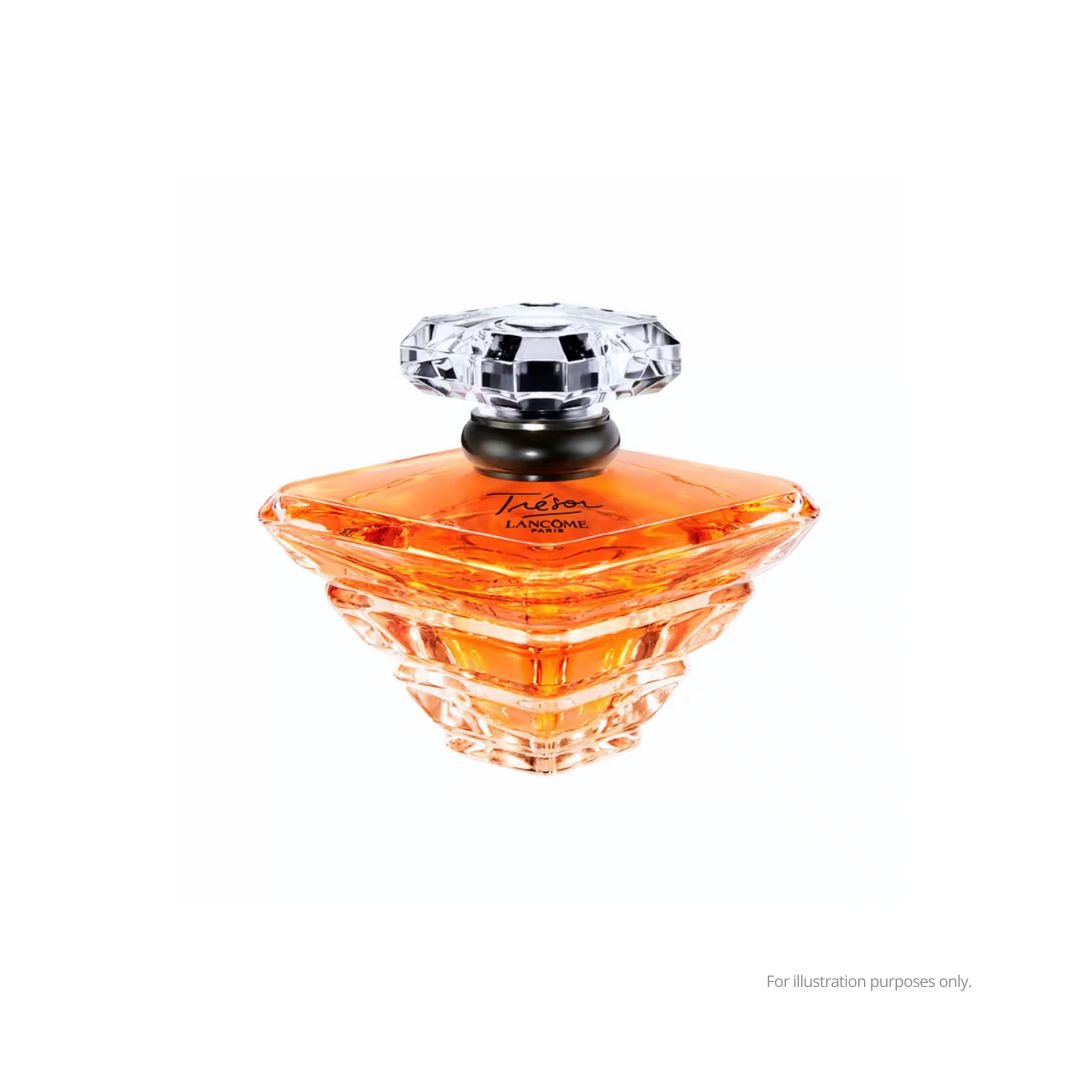
Perfume Law: Can the Law Keep Up with the Art of perfumery?
The idea of ‘perfume law’, though not a formal branch of intellectual property, captures a growing effort to treat fragrance as more than a fleeting commercial good. Long dismissed as decorative and too elusive to merit legal recognition, perfume has for decades remained on the fringes of intellectual property protection, overshadowed by visual and auditory…
-
Why Perfume Cloning is Legal: The Lack of Intellectual Property Protection for Fragrances
Perfume cloning is a common practice where lower-cost brands replicate the scent of high-end perfumes. This might seem unfair to luxury brands, but perfume cloning is generally legal due to how intellectual property (IP) laws view fragrances. Here’s why perfumes are not strongly protected by IP law, and why cloning is allowed. Perfumes Are Considered…