-
ISSEY MIYAKE’s BAO BAO Bag Protected by Tokyo Court in Design Dispute
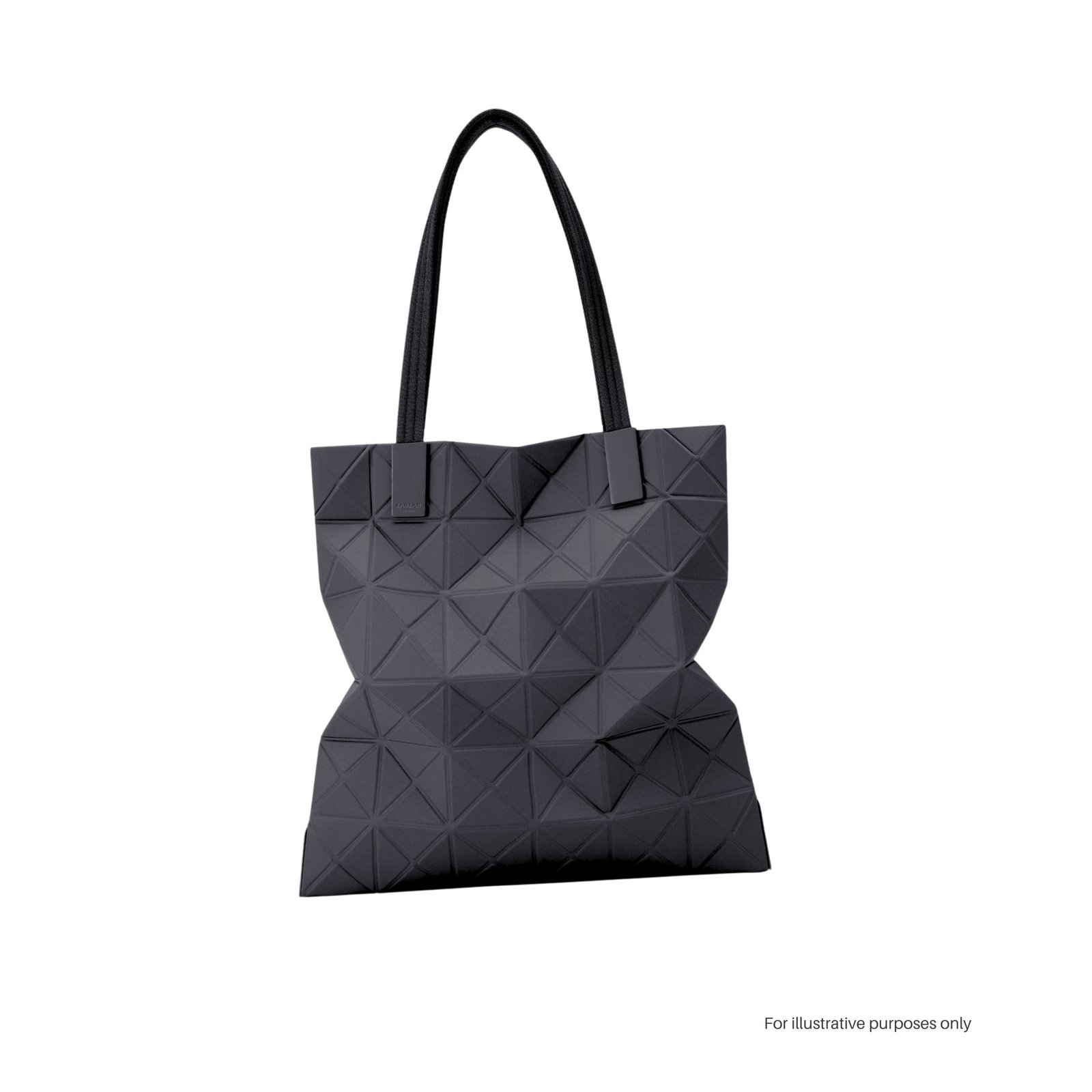
The Tokyo District Court has ruled in favour of ISSEY MIYAKE in a dispute concerning the well-known BAO BAO bag, awarding damages of JPY 71 million against Largu Co., Ltd. The case confirms a clear legal position in Japan: creative design, once commercially distinctive, is protectable under the Unfair Competition Prevention Act. BAO BAO: Not…
-
Levi’s Blank Tab: The Subtle Art of Trademark Protection
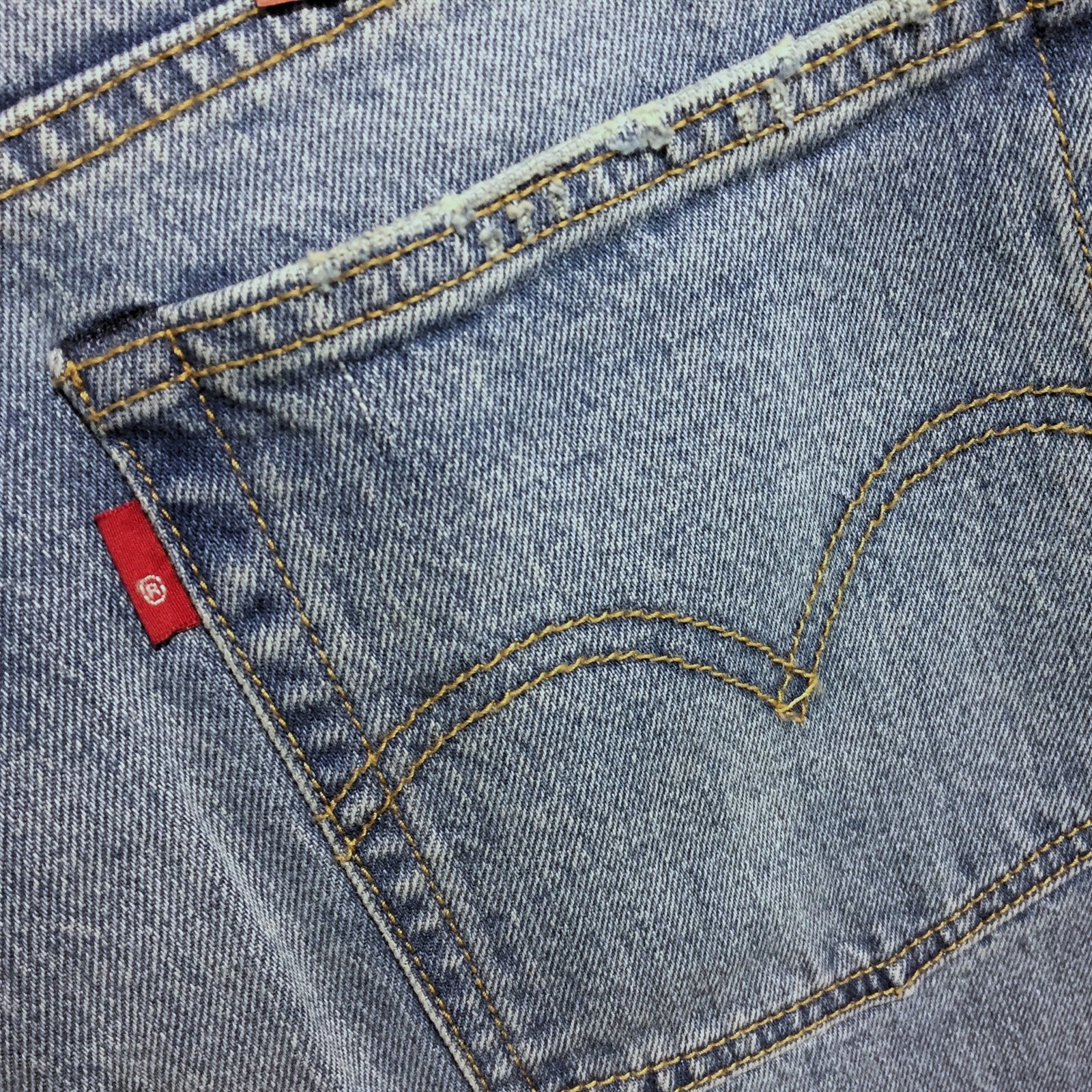
Levi’s Blank Tab, one of the most frequently copied trademarks in the world! Levi Strauss & Co. has built its reputation on durable denim and innovative branding. Central to this legacy is the trademarked Tab, a small but very important element of the Levi’s brand. Today, we are discussing the blank Tab or plain tab…
-
Gucci vs Guess Dispute: From Lawsuit to Resolution
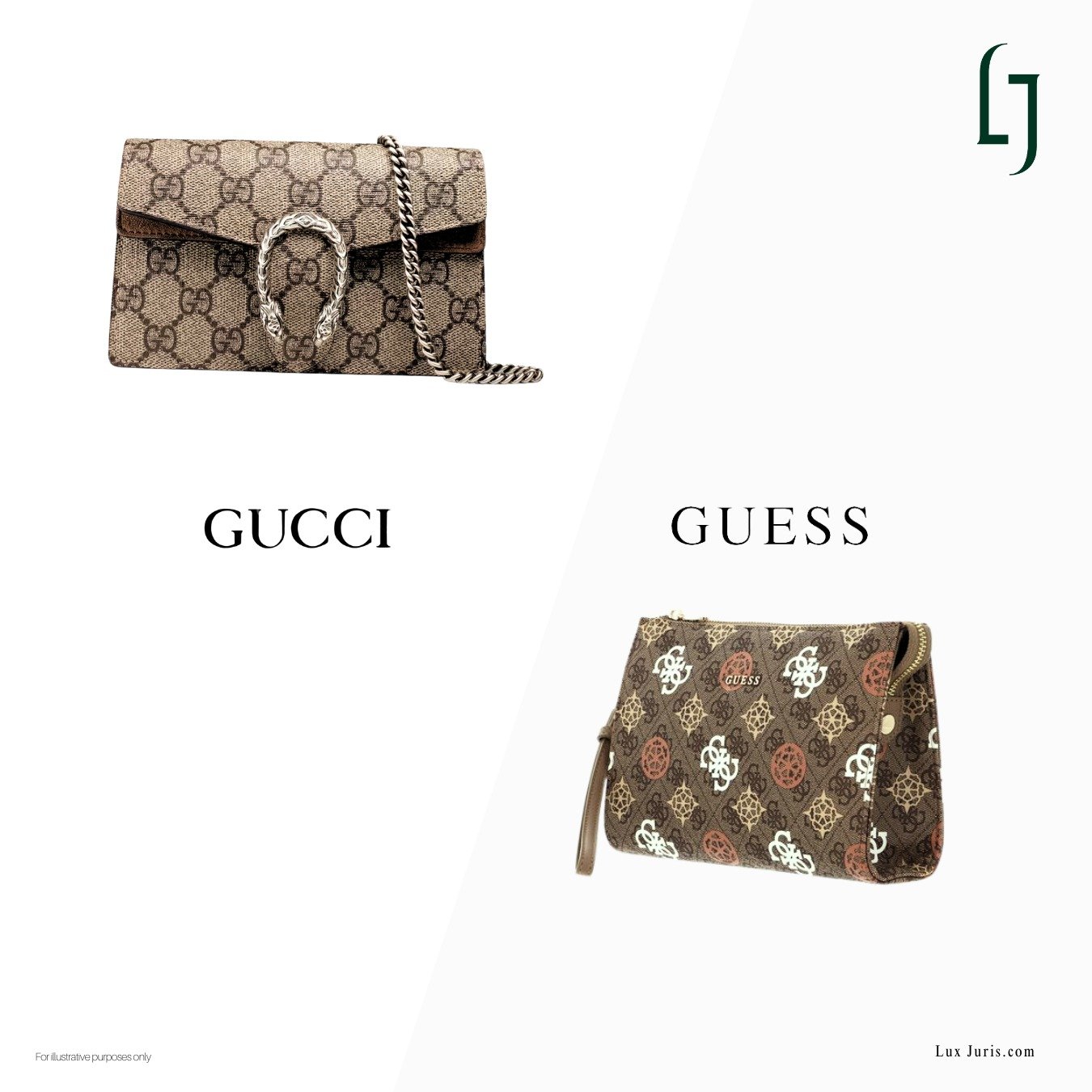
The gucci vs guess trademark dispute offers a clear view of the challenges involved in protecting brand identity in fashion. What began with Gucci’s decision to take legal action over the alleged imitation of its distinctive design features developed into a prolonged conflict across multiple jurisdictions. While Gucci secured favourable rulings in some courts, the…
-
Rolling Into Trouble: Vans vs. MSCHF and the ‘Wavy Baby’ Sneakers

The Vans vs MSCHF dispute over the Wavy Baby sneakers was anything but straightforward. Vans alleged that MSCHF had copied the Old Skool design, pursuing claims of trade dress infringement. MSCHF pushed back, framing the sneakers as a parody and invoking First Amendment protections. The dispute goes beyond a sneaker’s design, involving the safeguarding of…
-
Valentino vs Valentino: The Fight Over a Name
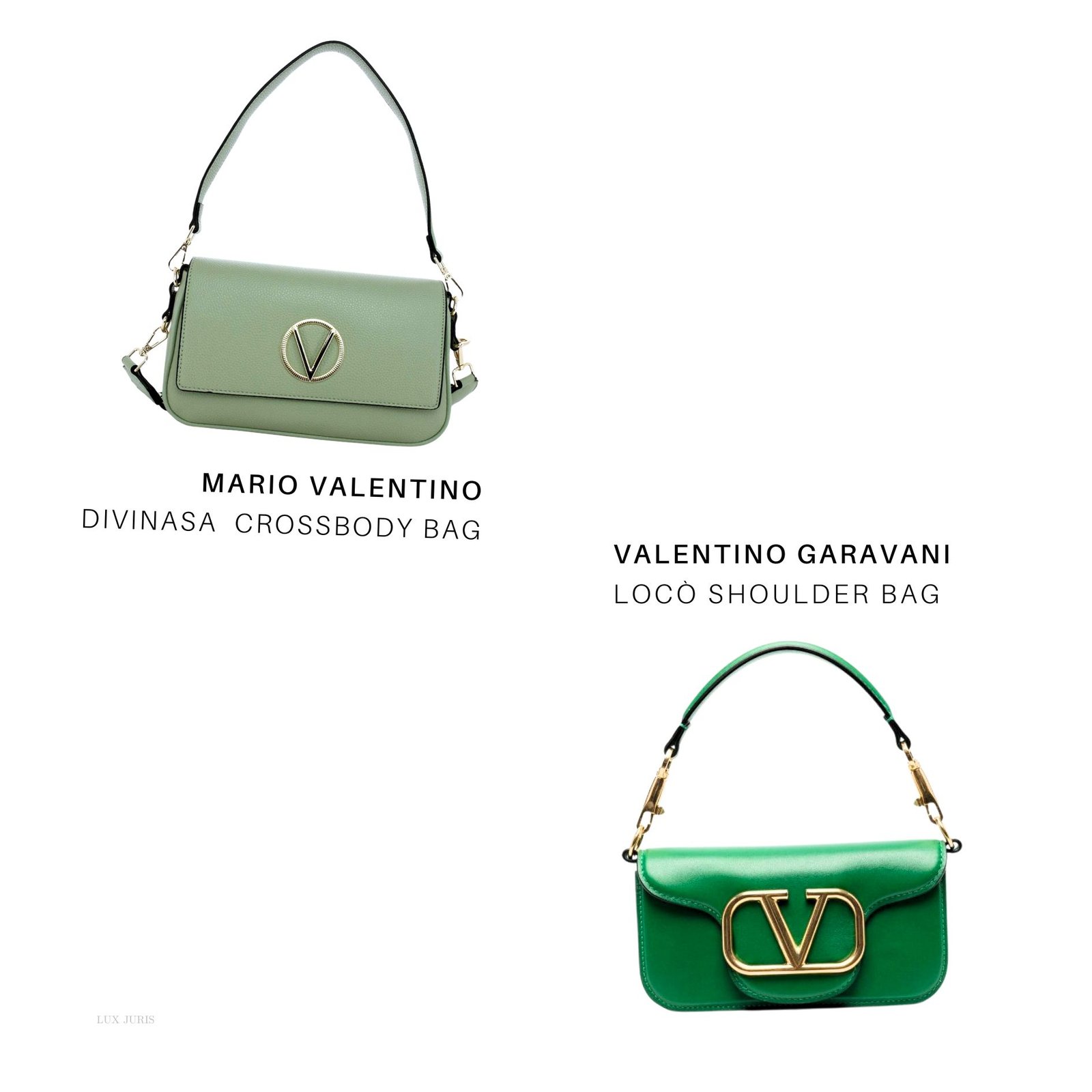
Valentino vs Valentino. One Name, Two Legacies, Endless Confusion. If you have ever spotted a Valentino handbag and hesitated, wondering which Valentino it belongs to, you are not alone. For decades, two Italian fashion houses have competed under the same name, creating a confusion that extends from courtrooms to shop floors. This is not just…
-
Culinary Creations and Intellectual Property: Why Are Recipes Hard to Protect?
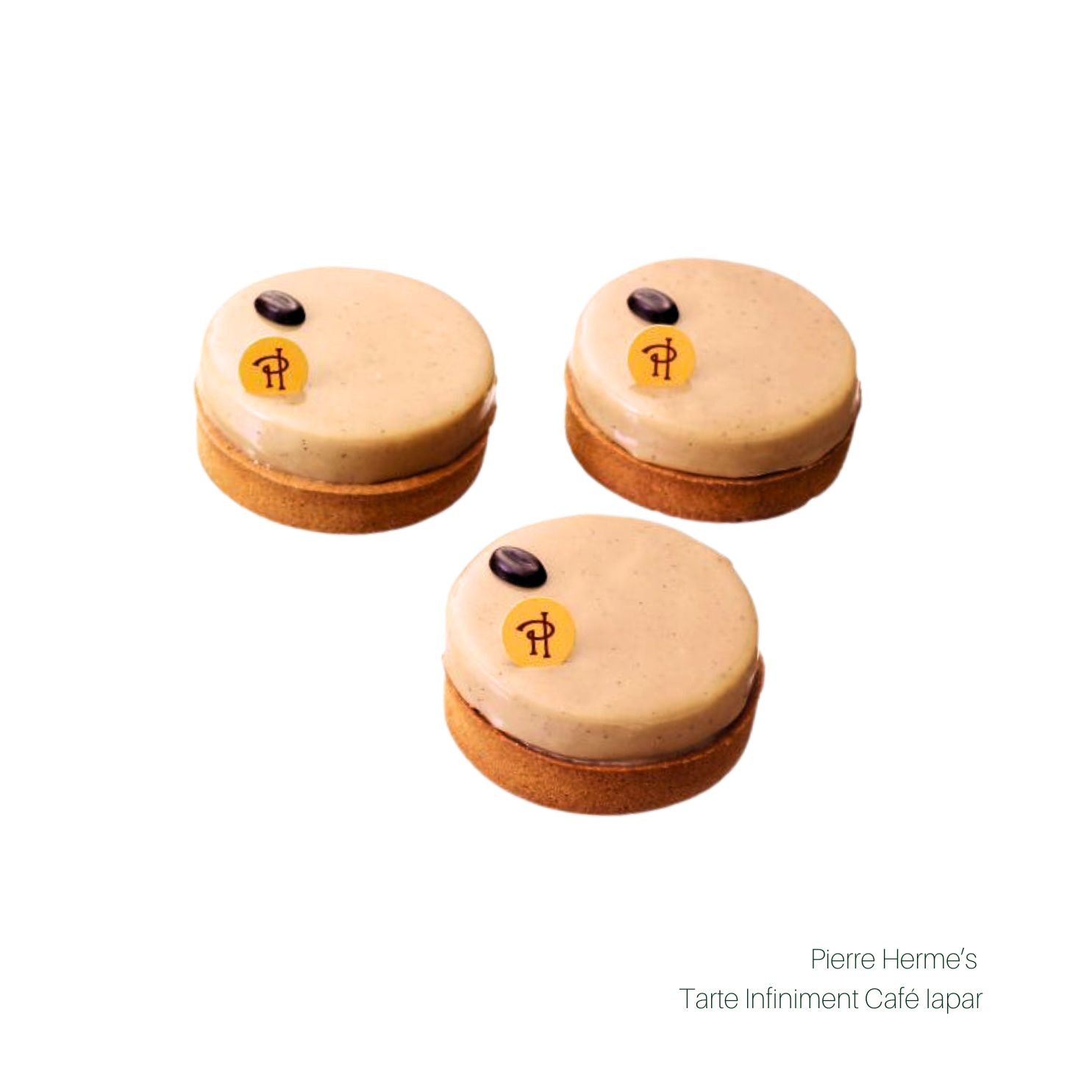
What protects a chef’s years of work on a dish if it can be copied without consequence? Culinary creations combine creativity, skill, and artistry, yet they often fall outside the scope of intellectual property protection. The laws designed to safeguard creative works do not always apply to the culinary arts, leaving chefs with limited options…
-
Paul Smith vs Judy Stabile: A Copyright Infringement Case Over Stripes

Stripes were at the center of this dispute, but it wasn’t another Adidas case. Instead, Paul Smith and The Rug Company faced a copyright infringement claim from Judy Stabile, who alleged that their Carnival Rug copied her paintings. This case focuses on two critical issues: whether the defendants had access to Stabile’s work and whether…
-
The Uffizi vs Jean Paul Gaultier: A Legal Look at Cultural Heritage and Fashion

In 2021, the Uffizi Galleries in Florence filed a lawsuit against French designer Jean Paul Gaultier for using Sandro Botticelli’s The Birth of Venus in his ‘Le Musée’ collection. While Botticelli’s iconic painting, created in the late 15th century, is no longer under copyright, this case does not center on copyright law. Instead, it focuses…
-
Louboutin’s Red Sole Trademark: Legal Challenges Across Borders
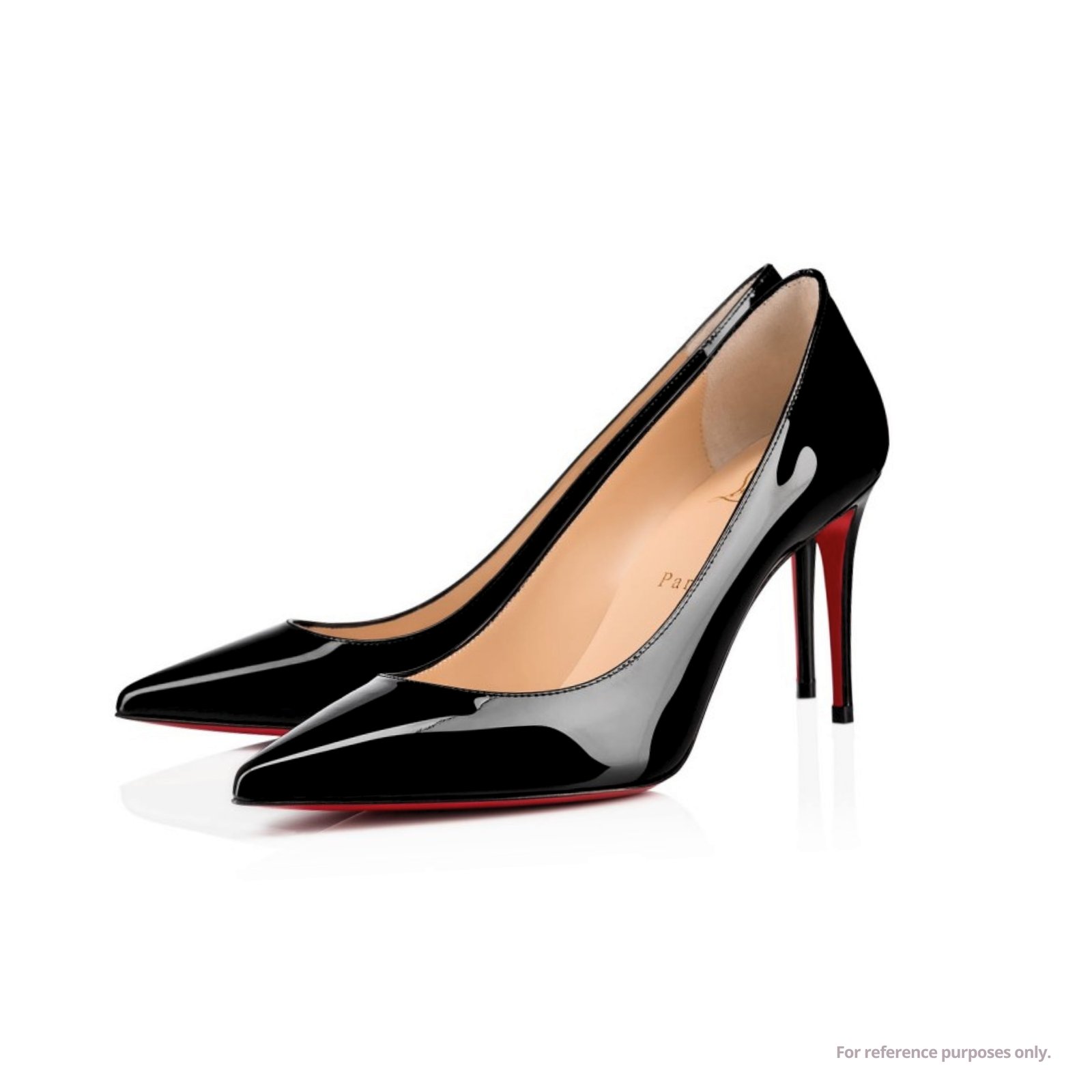
Christian Louboutin’s red sole, known for its distinctiveness, has faced legal scrutiny across the globe. This analysis focuses on cases resolved in Japan and France, as well as the key ruling by the Court of Justice of the European Union (CJEU), where courts evaluated whether the red sole should be recognised as a trademark or…
-
Louis Vuitton and Unauthorized Refurbishment: Trademark Infringement Case
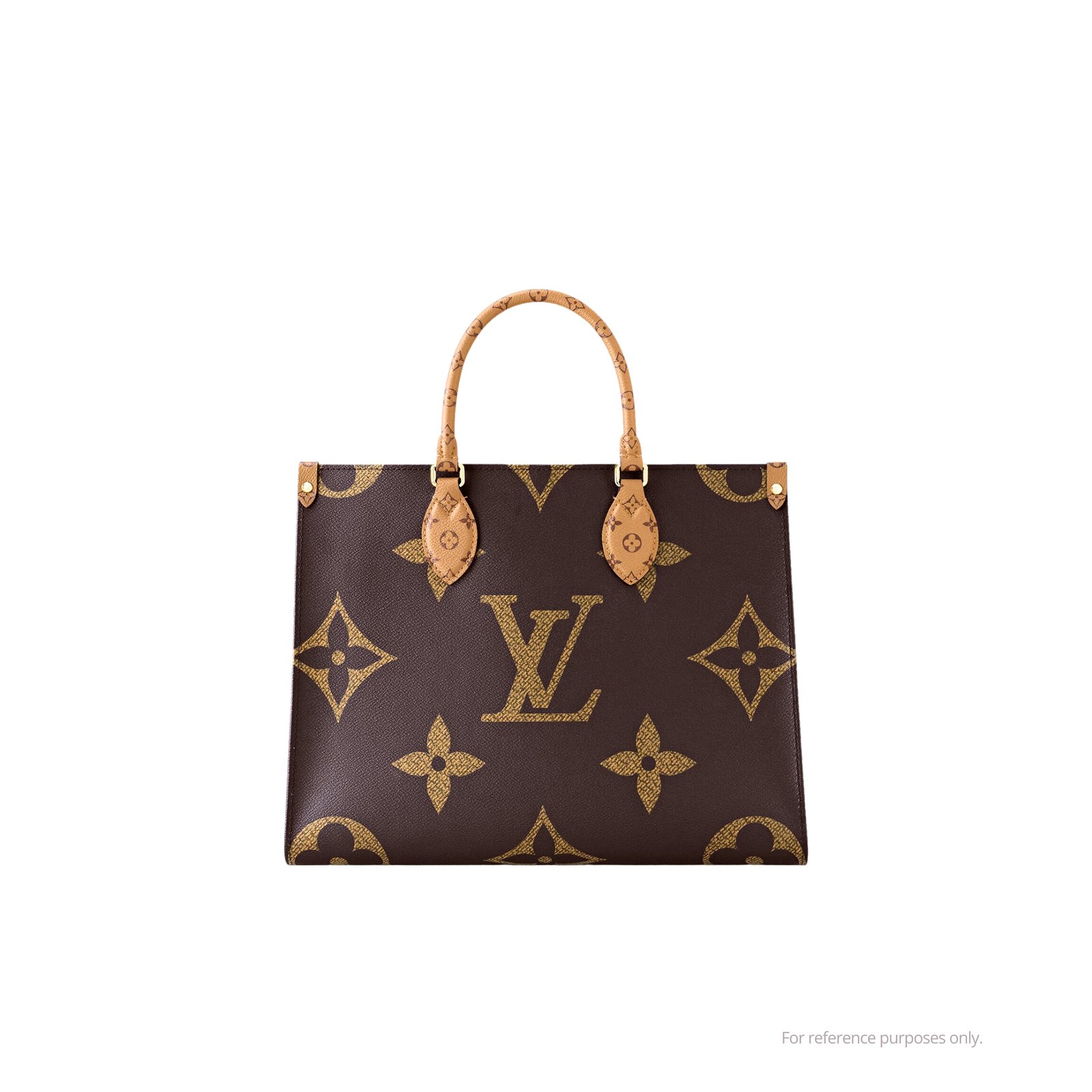
A recent ruling in the Patent Court of Korea has reinforced the critical role of trademark protection in the luxury goods market, particularly regarding unauthorized product alterations. The court ruled that a bag repairer must pay 15 million won ($10,745) in damages to Louis Vuitton Malletier for refurbishing Louis Vuitton bags without authorization and for…
-
Toe-to-Toe: Chanel’s Iconic Shoe Design Safeguarded following the Paris Court of Appeal’s Ruling Against Jonak
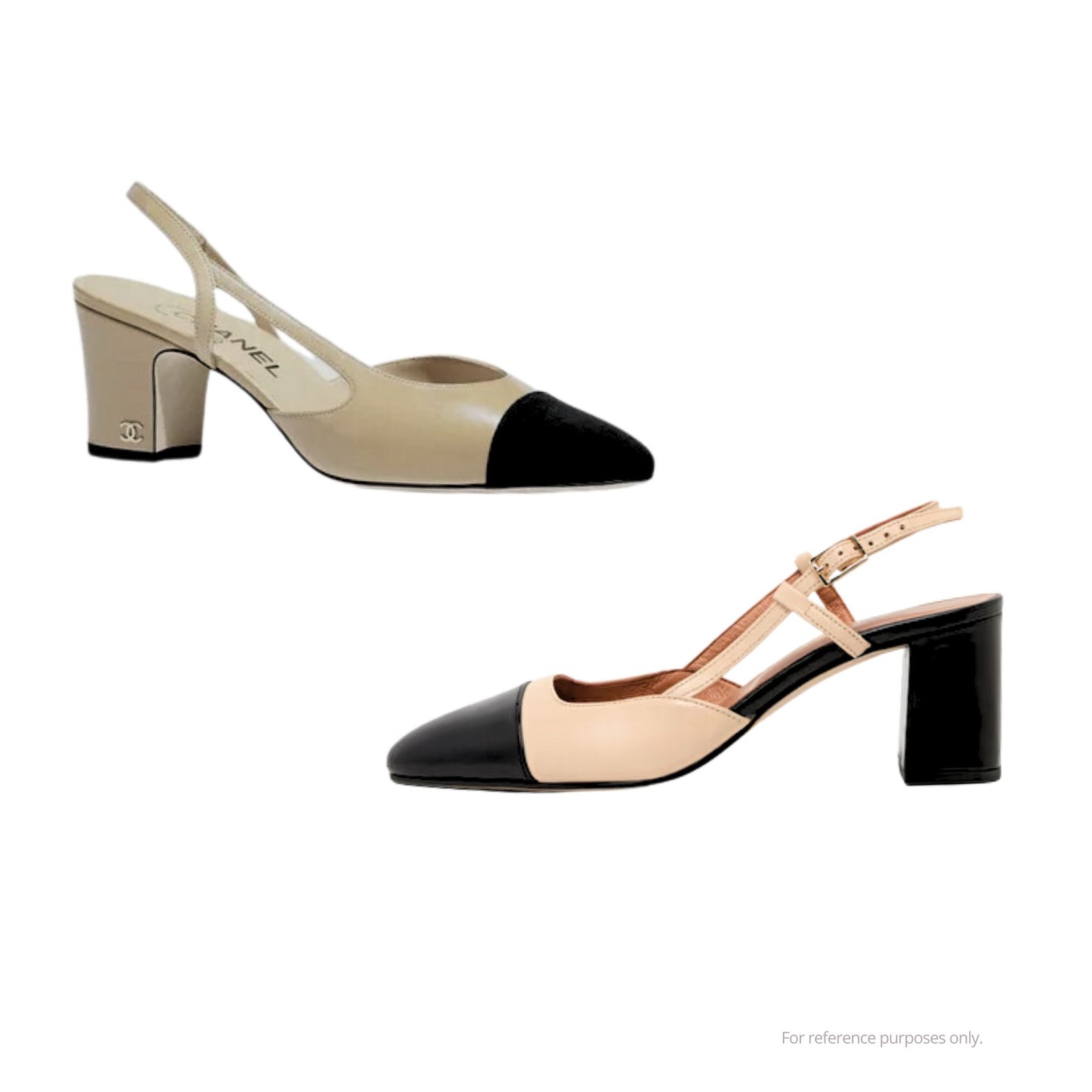
On October 16, 2024, the Paris Court of Appeal issued a ruling in favor of Chanel in its legal dispute against the renowned women’s shoe company Jonak concerning parasitism. For context, Chanel has been commercializing and distributing a tan slingback shoe model with a black tip for several decades now. Consequently, when Jonak commenced the…
-
Assos Sues ASOS Over Trademark Dispute in UK Court
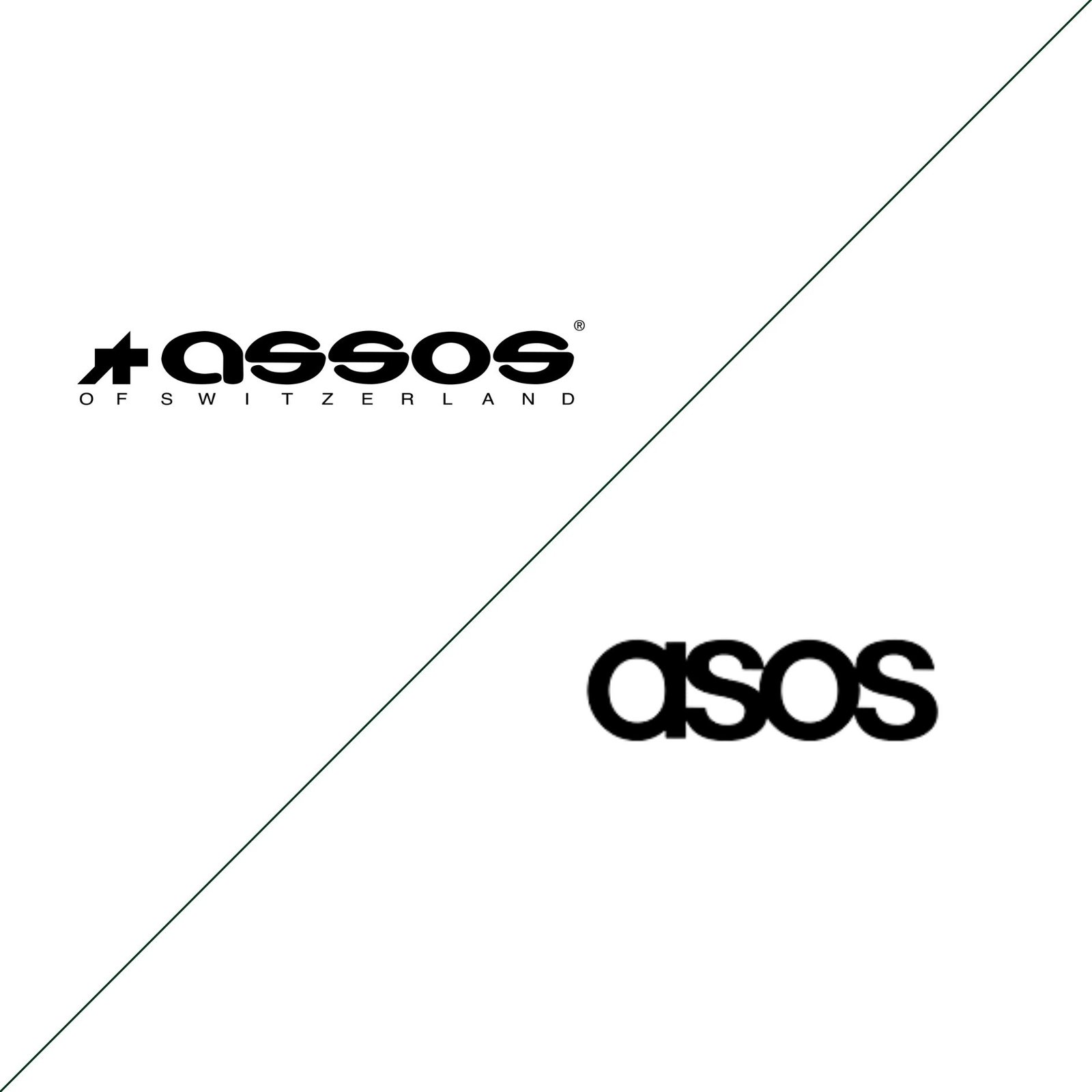
Swiss cycling brand Assos has filed a lawsuit against ASOS in the English High Court, with ASOS, Asos.com, and Asos France named defendants. The lawsuit, filed last Friday, follows a history of legal disputes between the two companies. The grounds for the current lawsuit are not yet clear. Assos, previously owned by the Maier family,…
-
Is the Market Too Small for Perfumes Compared to Sneakers? Why Perfumers Deserve Recognition
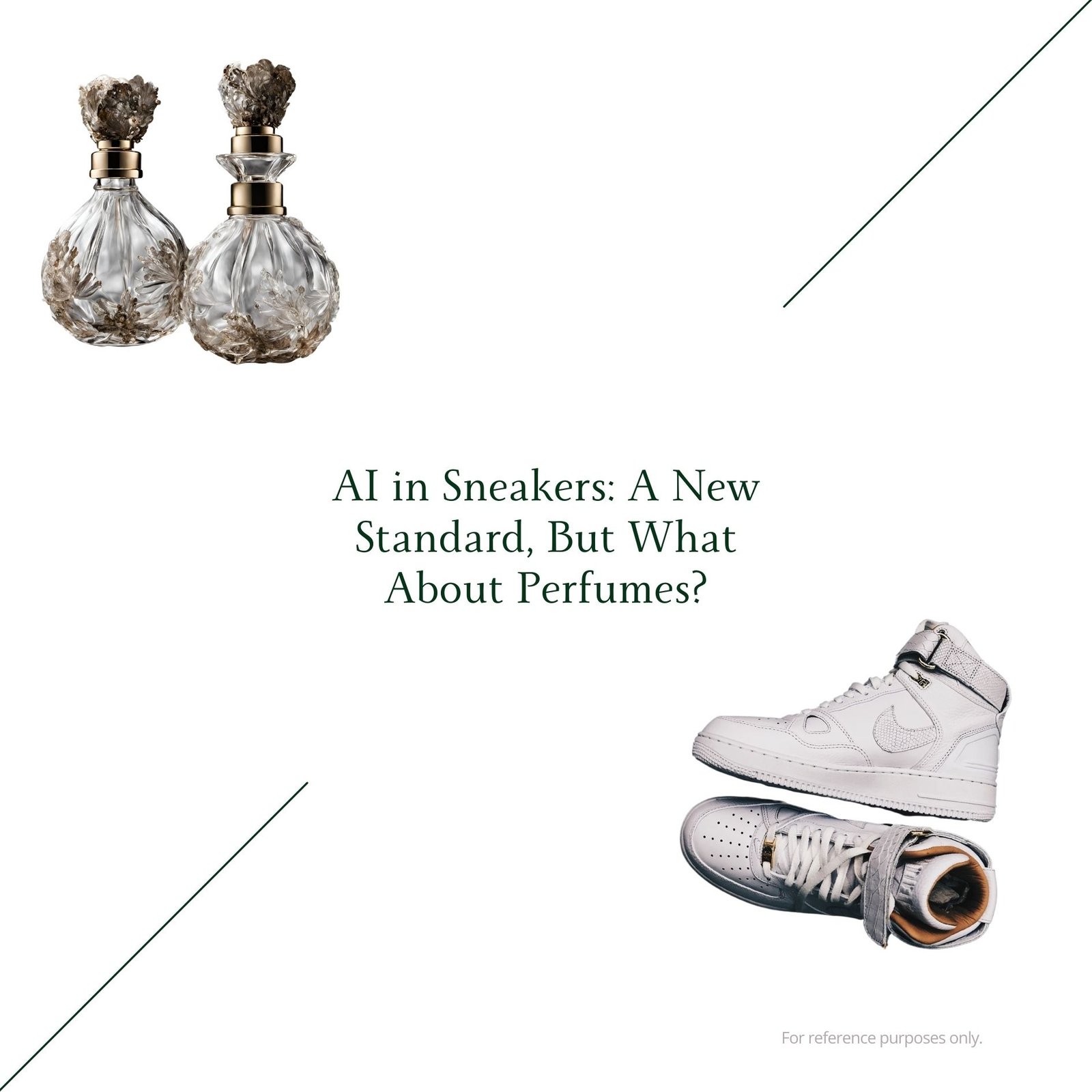
Is the market too small for perfumes compared to sneakers? It is time to recognise perfumers as the artists they truly are, creators whose rights deserve protection. While sneakers attract widespread admiration, perfumes hold similar potential for artistry and emotional impact. Collectors and enthusiasts pay hundreds of dollars for both rare sneakers and exclusive scents,…
-
Burberry, Manolo Blahnik, and Moncler: Trademark Cases Reflecting China’s Improving Legal System
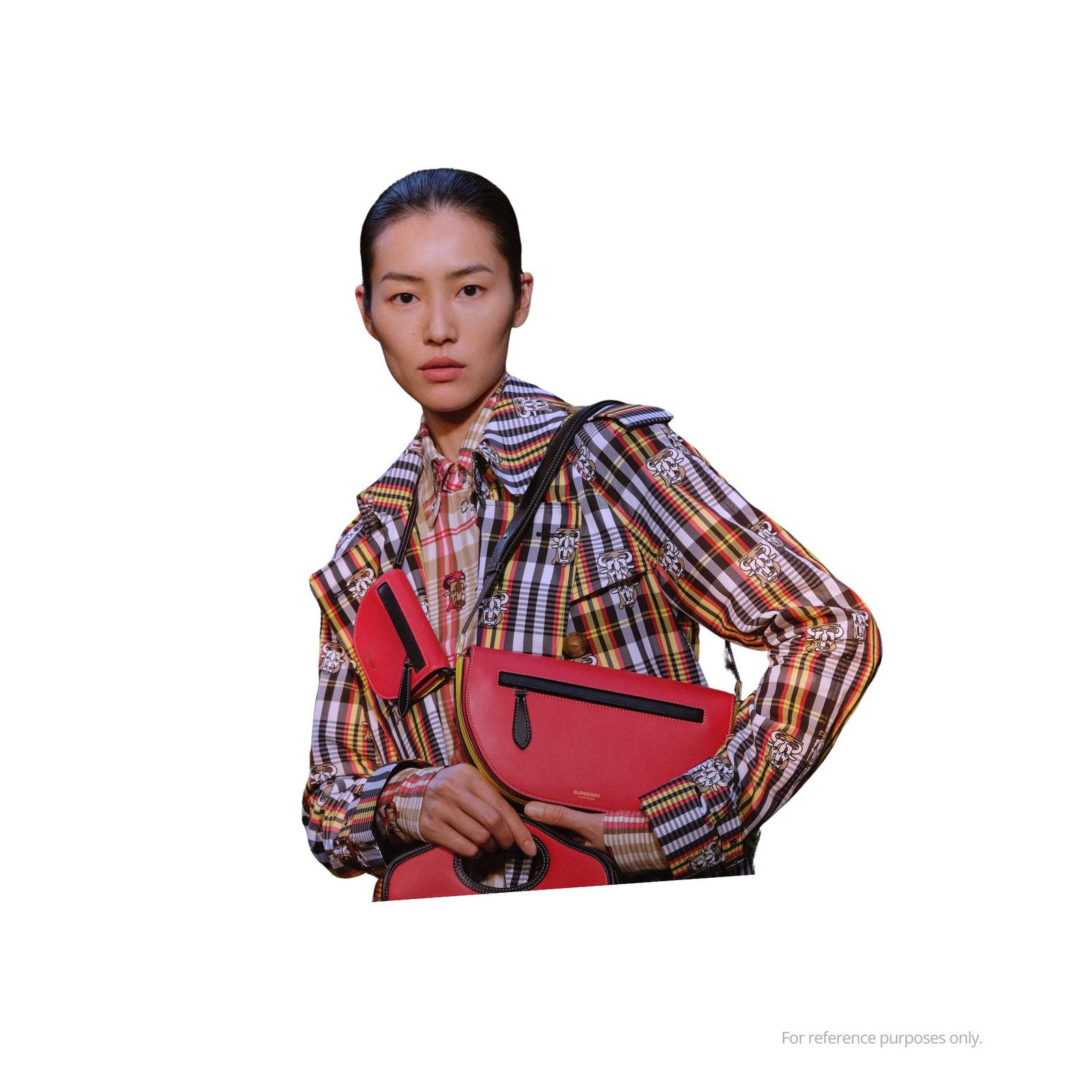
China has long been a challenging territory for trademark enforcement, especially for foreign brands. However, cases involving Burberry, Manolo Blahnik, and Moncler have significantly influenced the country’s trademark protection framework. These cases illustrate the strengths and the ongoing limitations of China’s trademark system, particularly the ‘first-to-file’ principle. While foreign brands are now better able to…